
Eid ul-Fitr Sermon
Reflections on Gratitude, Unity, and Renewal
اللہ اکبر اللہ اکبر لا الہ الا اللہ واللہ اکبر اللہ اکبر وللہ الحمد
اللہ اکبر اللہ اکبر لا الہ الا اللہ واللہ اکبر اللہ اکبر وللہ الحمد
اللہ اکبر اللہ اکبر لا الہ الا اللہ واللہ اکبر اللہ اکبر وللہ الحمد
الْحَمْدُ لِلَّهِ رَبِّ الْعَالَمِينَ وَ الصَّلٰوۃ وَالسَّلَامُ علٰی رَحْمَةً لِلْعَالَمِينَ۔ امّابعد
Allah Almighty says in the Noble Qur’an:
وَلِتُكْمِلُوا الْعِدَّةَ وَلِتُكَبِّرُوا اللَّهَ عَلَىٰ مَا هَدَاكُمْ وَلَعَلَّكُمْ تَشْكُرُونَ
“So that you may complete the prescribed period, glorify Allah for having guided you, and so that you may be grateful.” (Surah Al-Baqarah 2:185)
Today, we gather to celebrate Eid-ul-Fitr, one of the two great festivals of Islam.
The Messenger of Allah ﷺ said:
إِنَّ لِكُلِّ قَوْمٍ عِيدًا وَهَذَا عِيدُنَا
Every community has its festival, and this is our festival. (Bukhari, Muslim)
Eid-ul-Fitr marks the completion of the blessed month of Ramadan, a month of fasting, prayer, patience, self-discipline, and spiritual growth. It is a day of joy, gratitude, and worship. Eid is a celebration of completing a spiritual journey and thanking Allah for granting us the strength to worship Him.
May Allah accept your worship and bless you on this day of Eid. This is a day of happiness, gratitude, and success. True success belongs to the one who fasted Ramadan with faith and sincerity, stood in prayer seeking Allah’s reward, obeyed his Lord, found peace in His remembrance, established the daily prayers, kept his heart attached to the mosques, increased in voluntary worship, fed those who fasted, fed the hungry, supported the poor and needy, cared for the vulnerable, gave charity generously, fulfilled people’s needs, maintained family ties, forgave those who wronged him, and responded to harm with kindness.
Eid: A Day to Strengthen Ties of Kinship
On this blessed Eid, we are reminded to strengthen bonds of love and compassion with our parents, relatives, family members, neighbours, and friends, and to care for the poor, the orphans, and the weak. Eid teaches us that faith is not complete without mercy and responsibility toward others.
Living in a society where leadership seeks the welfare of its people is a great blessing and a source of harmony built on respect, appreciation, and responsibility.
Eid: A Day of Meeting, Greeting, and Unity
Among the cherished traditions of Eid are unity, mutual respect, and the exchange of greetings and goodwill. Eid is an occasion to strengthen bonds through visits, mercy, and compassion.
Allah Almighty reminds us of the purpose of human diversity:
يَا أَيُّهَا النَّاسُ إِنَّا خَلَقْنَاكُم مِّن ذَكَرٍ وَأُنثَىٰ وَجَعَلْنَاكُمْ شُعُوبًا وَقَبَائِلَ لِتَعَارَفُوا
“O mankind, We created you from a male and a female and made you into nations and tribes so that you may know one another.” (Surah Al-Hujurat 49:13)
Islam encourages excellence in character, kind speech, and gentle conduct. Allah the Exalted says:
وَقُولُوا لِلنَّاسِ حُسْنًا
“And speak kindly to people.” (Surah Al-Baqarah 2:83)
Kind words soften hearts and strengthen relationships. When kindness is accompanied by generosity, its impact is even greater. The Prophet ﷺ once gave Umar ibn al-Khattab (رضي الله عنه) a valuable garment, which Umar later gifted to his brother in Makkah—who at that time was not Muslim. This teaches us the importance of maintaining positive relations with others, including non-Muslims, and building bridges of cooperation and understanding for the common good.
Through positive interaction and open communication, knowledge is exchanged and civilizations flourish. The believer values wisdom wherever it is found.
Gratitude, Charity, and Zakat al-Fitr
Eid is not only a day of celebration but also a day of generosity. Before the Eid prayer, Islam obligates Zakat al-Fitr, which purifies our fasting and ensures that the poor share in the joy of Eid.
The Prophet ﷺ said:
يُعَلَّقُ الصَّوْمُ بَيْنَ السَّمَاءِ وَالْأَرْضِ حَتَّى تُؤَدَّى زَكَاةُ الْفِطْرِ
The fast remains suspended between heaven and earth until Zakat al-Fitr is paid.” (Abu Dawood)
Ibn Abbas reported:
فَرَضَ رَسُولُ اللَّهِ ﷺ زَكَاةَ الْفِطْرِ طُهْرَةً لِلصَّائِمِ مِنَ اللَّغْوِ وَالرَّفَثِ وَطُعْمَةً لِلْمَسَاكِينِ
“The Messenger of Allah ﷺ made Zakat al-Fitr obligatory as a purification for the fasting person from idle and obscene speech, and as food for the poor.” (Abu Dawood, Ibn Majah)
Allah says:
وَيُطْعِمُونَ الطَّعَامَ عَلَىٰ حُبِّهِ مِسْكِينًا وَيَتِيمًا وَأَسِيرًا
They give food, despite their love for it, to the poor, the orphan, and the captive. (Surah Al-Insan 76:8)
Unity and Brotherhood
Eid-ul-Fitr is a powerful symbol of unity, bringing together Muslims of all backgrounds. Allah says:
وَاعْتَصِمُوا بِحَبْلِ اللَّهِ جَمِيعًا وَلَا تَفَرَّقُوا
And hold firmly to the rope of Allah all together and do not become divided. (3:103)
Let us strengthen the bonds of brotherhood and sisterhood with love, humility, and forgiveness.
Renewal After Ramadan
Ramadan trained our hearts in patience, discipline, and mindfulness. The true sign of acceptance is consistency after Ramadan. The Prophet ﷺ said:
خِيَارُكُمْ أَحْسَنُكُمْ أَخْلَاقًا
The best among you are those with the best character. (Bukhari)
Conclusion
Let this Eid be a time of forgiveness, reconciliation, and renewal of faith. Forgive those who wronged you, reconnect with family, and thank Allah for His countless blessings.
May Allah accept our fasting, prayers, charity, and good deeds. May He grant peace to our homes, unity to our communities, and mercy to those suffering across the world.
Dua: Let us Pray
O Allah, send Your peace and blessings upon our Prophet Muhammad ﷺ, his noble family and companions.
O Allah, accept our fasting, our prayers, our charity, and our repentance.
O Allah, forgive our sins—the small and the great, the hidden and the open.
O Allah, purify our hearts from hypocrisy, envy, pride, and hatred, and fill them with faith and sincerity.
O Allah, free us from the Fire and admit us into Jannah.
O Allah, do not make this Eid the last of our lives. Grant us many more Ramadans in health and strong faith.
O Allah, unite the hearts of the Ummah of Muhammad ﷺ and grant relief to those in hardship.
O Allah, grant us goodness in this world and goodness in the Hereafter, and protect us from the punishment of the Fire.
O Allah, purify our hearts, refine our souls, and forgive everyone of us.
O Allah, unite our hearts, increase our compassion, and guide us to live with wisdom and sincerity.
O Allah, help us follow the example of Your beloved Prophet Muhammad ﷺ, who was sent as a mercy to all creation.
O Allah, bless our families with love and understanding, and our society with unity and peace.
O Allah, honour us with the intercession of Prophet Muhammad ﷺ, fill our hearts with his love, and grant us the blessing of being in his company in the hereafter.
رَبَّنَا آتِنَا فِي الدُّنْيَا حَسَنَةً وَفِي الْآخِرَةِ حَسَنَةً وَقِنَا عَذَابَ النَّارِ
Our Lord, grant us good in this world and good in the Hereafter and save us from the torment of the Fire.
I conclude my sermon with the verse from the Qur'an:
اِنَّ اللّـٰهَ يَاْمُرُ بِالْعَدْلِ وَالْاِحْسَانِ وَاِيْتَـآءِ ذِى الْقُرْبٰى وَيَنْـهٰى عَنِ الْفَحْشَآءِ وَالْمُنْكَرِ وَالْبَغْىِ ۚ يَعِظُكُمْ لَعَلَّكُمْ تَذَكَّرُوْنَ
Indeed, Allah commands justice, grace, as well as generosity to close relatives. He forbids indecency, bad conduct and aggression. He instructs you so perhaps you will be mindful. (Quran 16: 90)
اللہ اکبر اللہ اکبر لا الہ الا اللہ واللہ اکبر اللہ اکبر وللہ الحمد
اللہ اکبر اللہ اکبر لا الہ الا اللہ واللہ اکبر اللہ اکبر وللہ الحمد
اللہ اکبر اللہ اکبر لا الہ الا اللہ واللہ اکبر اللہ اکبر وللہ الحمد
أَقُولُ قَوْلِي هَذَا وَأَسْتَغْفِرُ اللَّهَ لِي وَلَكُمْ، فَاسْتَغْفِرُوهُ إِنَّهُ هُوَ الْغَفُورُ الرَّحِيمُ
وَآخِرُ دَعْوَانَا أَنِ الْحَمْدُ لِلَّهِ رَبِّ الْعَالَمِينَ
___________________________________________
Eid Mubarak to you all
تقبل الله منا ومنكم جميع صالح الأعمال
May Allah accept from us and from you.

Seeking
Laylatul Qadr
Practical Steps for
the last ten days
of Ramadan
الْحَمْدُ لِلَّهِ رَبِّ الْعَالَمِينَ وَ الصَّلٰوۃ وَالسَّلَامُ علٰی رَحْمَةً لِلْعَالَمِينَ۔ امّابعد
Allah ﷻ says in the Holy Qur’an:
إِنَّا أَنْزَلْنَاهُ فِي لَيْلَةِ الْقَدْرِ
وَمَا أَدْرَاكَ مَا لَيْلَةُ الْقَدْرِ
لَيْلَةُ الْقَدْرِ خَيْرٌ مِّنْ أَلْفِ شَهْرٍ
تَنَزَّلُ الْمَلَائِكَةُ وَالرُّوحُ فِيهَا بِإِذْنِ رَبِّهِم مِّن كُلِّ أَمْرٍ
سَلَامٌ هِيَ حَتَّىٰ مَطْلَعِ الْفَجْرِ
“Indeed, We sent it (the Qur’an) down during the Night of Power.
And what will make you know what the Night of Power is?
The Night of Power is better than a thousand months.
The angels and the Spirit (Jibril) descend therein by the permission of their Lord for every matter.
Peace it is until the break of dawn.”
(Surah Al-Qadr 97:1–5)
The month of Ramadan is full of blessings, but the last ten nights are the most powerful in reward. As the blessed month of Ramadan draws toward its final days, we enter the most sacred and precious nights of the entire year, the last ten nights of Ramadan. Within these nights lies a gift from Allah so great that no worldly treasure can compare to it. That gift is Laylatul Qadr – the Night of Power. Among the countless blessings that Allah has granted this Ummah is this extraordinary night.
Laylatul Qadr is a night of mercy, forgiveness, and immense reward. It is a night when hearts are purified, sins are forgiven, and the servants of Allah draw closer to their Creator.
Allah reminds us:
لَيْلَةُ الْقَدْرِ خَيْرٌ مِّنْ أَلْفِ شَهْرٍ
“The Night of Qadr is better than a thousand months.”
(Surah Al-Qadr 97:3)
A thousand months is more than eighty-three years. Imagine worshipping Allah sincerely on one night and receiving the reward of a lifetime of worship. This reflects Allah’s immense mercy toward the Ummah of the Prophet ﷺ.
The Messenger of Allah ﷺ said:
مَن قَامَ لَيْلَةَ القَدْرِ إيمَانًا واحْتِسَابًا، غُفِرَ له ما تَقَدَّمَ مِن ذَنْبِهِ
“Whoever stands in prayer on Laylatul Qadr with faith and hoping for reward, all his previous sins will be forgiven.” (Bukhari and Muslim)
What greater opportunity could there be for a believer than to have a lifetime of sins forgiven in a single blessed night.
When Should We Seek Laylatul Qadr?
The exact date of Laylatul Qadr has not been specified. However, the Prophet ﷺ guided us to search for it during the last ten nights of Ramadan, especially on the odd nights.
The Prophet ﷺ said:
تَحَرَّوْا لَيْلَةَ الْقَدْرِ فِي الْوِتْرِ مِنَ الْعَشْرِ الأَوَاخِرِ مِنْ رَمَضَانَ
“Seek Laylatul Qadr in the last ten nights of Ramadan, in the odd nights.” (Ahmad)
These nights include the 21st, 23rd, 25th, 27th, and 29th nights of Ramadan.
Because the exact night is unknown, the wisdom is that believers strive in all of the last ten nights, increasing their worship and devotion.
Some narrations mention signs associated with this blessed night. It is described as a calm and peaceful night, neither too hot nor too cold. The atmosphere is serene and tranquil, and the night remains peaceful until dawn. The following morning, the sun rises softly without strong rays, appearing gentle like the moon.
How Should We Spend These Blessed Nights?
The last ten nights of Ramadan should be spent in sincere devotion and remembrance of Allah. Here are some practical ways to benefit from these precious nights:
1. Dedicate Time for Worship
Try to minimize worldly distractions during these nights. If possible, take time off from work or reduce unnecessary activities so that you can focus more on worship and spiritual reflection.
2. Encourage Family and Community
Encourage your family members and friends to make the most of these nights. Create an atmosphere in your home where Qur’an, prayer, and remembrance of Allah are central.
3. Perform I’tikaf
I’tikaf is the practice of staying in the masjid during the last ten days of Ramadan for the purpose of worship and devotion.
The Prophet ﷺ regularly observed I’tikaf during these days. Even if someone cannot remain for all ten days, they should try to spend as much time as possible in the masjid.
The Prophet ﷺ said that whoever performs I’tikaf sincerely for the sake of Allah will be distanced from the Hellfire by great distances.
4. Increase Recitation of the Qur’an
Laylatul Qadr is the night on which the Qur’an was first revealed. Therefore, these nights should be filled with recitation of the Qur’an and reflection on its meanings.
Try to read slowly and thoughtfully, reflecting upon the message of Allah.
5. Increase Nawafil (Voluntary Prayers)
Spend time in Tahajjud and other voluntary prayers. Night prayer is among the most beloved acts of worship and brings a servant closer to Allah.
Even two sincere rak‘ahs prayed with humility can carry immense reward.
6. Engage in Dhikr and Istighfar
Increase your remembrance of Allah by saying:
- SubhanAllah
- Alhamdulillah
- Allahu Akbar
- La ilaha illa Allah
Send abundant blessings upon the Prophet ﷺ and ask Allah frequently for forgiveness.
7. Make Sincere Du’a
Ramadan is filled with moments when supplications are accepted. Spend time sincerely asking Allah for your needs.
Aisha (RA) asked the Prophet ﷺ:
"O Messenger of Allah, if I find Laylatul Qadr, what should I say?"
The Prophet ﷺ replied:
اللَّهُمَّ إِنَّكَ عَفُوٌّ تُحِبُّ الْعَفْوَ فَاعْفُ عَنِّي
O Allah, You are Most Forgiving, and You love to forgive, so forgive me. (Tirmidhi)
This is one of the most beautiful and powerful du’as to recite during these nights.
8. Ask Allah for Everything You Need
Use these nights to speak to Allah sincerely. Ask Him for guidance, forgiveness, success, protection, and Jannah.
It can be helpful to make a personal List of Du’as — for yourself, your family, and the Ummah.
The Prophet ﷺ also taught that during the last third of the night, Allah calls out:
مَنْ ذَا الَّذِي يَدْعُونِي فَأَسْتَجِيبَ لَهُ
مَنْ ذَا الَّذِي يَسْأَلُنِي فَأُعْطِيَهُ
مَنْ ذَا الَّذِي يَسْتَغْفِرُنِي فَأَغْفِرَ لَهُ
“Who is calling upon Me so that I may answer him?
Who is asking from Me so that I may give him?
Who is seeking My forgiveness so that I may forgive him?” (Bukhari and Muslim)
9. Balance Worship and Rest
While striving in worship, take short breaks if necessary to maintain energy. Move between prayer, Qur’an recitation, dhikr, and du’a to maintain focus and devotion.
Conclusion
The last ten nights of Ramadan are a priceless opportunity. They are nights of mercy, forgiveness, and immense reward.
We do not know if we will live to see another Ramadan. Many who fasted with us last year are no longer with us today.
Therefore, let us make the most of these blessed nights. Let us strive sincerely to seek Laylatul Qadr and strengthen our relationship with Allah.
May Allah accept our fasting, our prayers, and our supplications. May He allow us to witness Laylatul Qadr and grant us its blessings.
And let us remember in our prayers our brothers and sisters around the world who are facing hardship and oppression.
Dua: Let us pray
O Allah, send Your peace and blessings upon our Prophet Muhammad ﷺ, his noble family and companions.
اللهم تقبل منا صيامنا وقيامنا وركوعنا وسجودنا ودعاءنا،
O Allah, accept from us our fasting, our night prayers, our bowing, our prostration, and our supplications.
اللهم أعنّا على ذكرك وشكرك وحسن عبادتك،
O Allah, help us to remember You, to thank You, and to worship You in the best manner.
اللَّهُمَّ إِنَّكَ عَفُوٌّ تُحِبُّ الْعَفْوَ فَاعْفُ عَنَّا
O Allah, You are Most Forgiving and You love to forgive, so forgive us.
O Allah, allow us to witness Laylatul Qadr and grant us the ability to worship You sincerely on that blessed night. Make us among those who receive Your mercy, forgiveness, and freedom from the Hellfire.
O Allah, forgive our sins — those we remember and those we have forgotten, those done knowingly and unknowingly. Wash away our sins with Your mercy just as rain washes away dust from the earth.
O Allah, purify our hearts from pride, jealousy, hatred, and hypocrisy. Fill our hearts with sincerity, faith, patience, and gratitude.
O Allah, guide our children and our families. Bless our parents and have mercy on those who have passed away. Illuminate their graves and raise their ranks in Jannah.
O Allah, bring relief to those who are suffering around the world. Help the oppressed, heal the sick, feed the hungry, and grant strength to those facing hardship.
O Allah, do not allow this Ramadan to end except that You have forgiven us, accepted us, and written our names among the people of Jannah.
O Allah, grant us goodness in this world and goodness in the Hereafter, and protect us from the punishment of the Fire.
O Allah, allow our final words in this life to be La ilaha illa Allah, Muhammadur Rasulullah, and gather us under the banner of Your beloved Prophet Muhammad ﷺ on the Day of Judgment.
O Allah, keep our hearts firm upon Your religion and do not allow them to deviate after You have guided us.
O Allah, bless our families, our spouses, and our children. Make our homes places of faith, peace, and remembrance of You.
O Allah, cure our sick, have mercy on our deceased, and relieve those in distress.
O Allah, protect our families and children, and keep us firm upon Your straight path.
O Allah, purify our hearts, refine our souls, and forgive every one of us.
O Allah, unite our hearts, increase our compassion, and guide us to live with wisdom and sincerity.
O Allah, help us follow the example of Your beloved Prophet Muhammad ﷺ, who was sent as a mercy to all creation.
O Allah, honour us with the intercession of Prophet Muhammad ﷺ, fill our hearts with his love, and grant us the blessing of being in his company in the hereafter.
رَبَّنَا آتِنَا فِي الدُّنْيَا حَسَنَةً وَفِي الْآخِرَةِ حَسَنَةً وَقِنَا عَذَابَ النَّارِ
Our Lord, grant us good in this world and good in the Hereafter and save us from the torment of the Fire.
I conclude my sermon with the verse from the Qur'an:
اِنَّ اللّـٰهَ يَاْمُرُ بِالْعَدْلِ وَالْاِحْسَانِ وَاِيْتَـآءِ ذِى الْقُرْبٰى وَيَنْـهٰى عَنِ الْفَحْشَآءِ وَالْمُنْكَرِ وَالْبَغْىِ ۚ يَعِظُكُمْ لَعَلَّكُمْ تَذَكَّرُوْنَ
Indeed, Allah commands justice, grace, as well as generosity to close relatives. He forbids indecency, bad conduct and aggression. He instructs you so perhaps you will be mindful. (Quran 16: 90)
أَقُولُ قَوْلِي هَذَا وَأَسْتَغْفِرُ اللَّهَ لِي وَلَكُمْ، فَاسْتَغْفِرُوهُ إِنَّهُ هُوَ الْغَفُورُ الرَّحِيمُ
وَآخِرُ دَعْوَانَا أَنِ الْحَمْدُ لِلَّهِ رَبِّ الْعَالَمِينَ
___________________________________________
The Power of Dua
Reflection on the
Blessings of Supplication
الْحَمْدُ لِلَّهِ رَبِّ الْعَالَمِينَ وَ الصَّلٰوۃ وَالسَّلَامُ علٰی رَحْمَةً لِلْعَالَمِينَ۔ امّابعد
Allah swt says in the Holy Qur’an:
وَقَالَ رَبُّكُمُ ٱدْعُونِىٓ أَسْتَجِبْ لَكُمْ
And your Lord says: Make Dua to Me; I will respond to you. (40:60)
This divine invitation of making Dua (supplication) is one of the greatest blessings granted to mankind.
The Office of Dua never closes. It is open 24 hours a day, 7 days a week. It operates without pause, day and night, weekday and weekend. Human institutions close their doors, but the door of Allah remains open forever. We may turn to Him at any hour, in any condition, in any language. And even when our tongues are unable to utter words, Allah understands the emotions, the whispers of the heart and the tears that fall without sound.
The power of Dua
The Prophet had said:
لَيْسَ شَيْءٌ أَكْرَمَ عَلَى اللهِ تَعَالَى مِنَ الدُّعَاءِ
“Nothing is more honourable to Allah than Dua.” (Tirmidhi)
Dua is the most uplifting, liberating, empowering, and transforming conversation a person can ever have. We turn to Allah in Dua, because we know that He alone can lift our sufferings and solve our problems. We feel relieved after describing our difficulties to our Creator. We feel empowered after having communicated with the Allah. We sense His mercy all around us after talking to the Most Merciful. We feel blessed with each Dua.
Every person, at some stage of their life, feels the need to pour out their heart to their Creator, to seek guidance, direction, strength, forgiveness, or seek relief in times of distress. This act of spiritual intimacy, known as “Dua,” is more than just supplication; it’s a testament to the unique relationship between a servant and their Lord.
Dua is more than a request; it is a declaration of our dependence upon Allah and our certainty in His mercy.
Ramadan: The Month of Dua
When Allah speaks about fasting in Surah al-Baqarah, the verses about Dua appear in the middle of the verses about Ramadan:
وَإِذَا سَأَلَكَ عِبَادِي عَنِّي فَإِنِّي قَرِيبٌ ۖ أُجِيبُ دَعْوَةَ الدَّاعِ إِذَا دَعَانِ ۖ فَلْيَسْتَجِيبُوا لِي وَلْيُؤْمِنُوا بِي لَعَلَّهُمْ يَرْشُدُونَ
When My servants ask you concerning Me, indeed I am near. I respond to the call of the supplicant when he calls upon Me. (2:186)
This placement is not random. It is a powerful indication that Ramadan is a best time for Dua. While we fast, restrain our desires, recite Qur’an, and stand in prayer, our hearts soften, and a softened heart makes sincere Dua.
The Prophet ﷺ said:
ثَلاَثَةٌ لاَ تُرَدُّ دَعْوَتُهُمُ الصَّائِمُ حَتَّى يُفْطِرَ وَالإِمَامُ الْعَادِلُ وَدَعْوَةُ الْمَظْلُومِ
“There are three whose Dua is not rejected: the fasting person when he breaks his fast, the just ruler, and the oppressed person.” (Tirmidhi)
Every evening at Iftar, you have a guaranteed opportunity. Before you reach for food and drink, reach out to Allah.
Why Dua is Powerful in Ramadan?
- We are in a state of obedience: Fasting itself is an act done purely for Allah. When we combine fasting with Dua, we are turning to Him in a state beloved to Him.
- The Satans are chained: The spiritual atmosphere is purified, making it easier to focus and connect with Allah.
- Laylatul Qadr: One night is better than a thousand months. Syeda Ayesha (may Allah be pleased with her) asked the Prophet ﷺ what to say if she finds Laylatul Qadr. He taught her this simple but profound Dua:
اللهم إنك عفو تحب العفو فاعف عني
“O Allah, You are Most Forgiving, You love to forgive, so forgive me.” (Tirmidhī)
If there was ever a month to beg for forgiveness, it is this on, Ramadan
How Dua is Answered
When we supplicate, we trust in Allah’s wisdom. The response may come in different forms:
- We may receive exactly what we asked for.
- Allah may remove a harm that was destined for us.
- The reward may be saved for us in the Hereafter.
- Or He may replace our request with something better.
His knowledge encompasses what we cannot see, and His decree is always based on perfect wisdom.
Etiquettes of Dua
While a dua can be said at any time, scholars have recommended that to maximise its benefit there are certain etiquettes that should be practised. These include:
- We should make Dua only to Allah swt.
- Sincerity and Ikhlas are the foundations of our Dua
- We should make Dua with Yaqeen (certainty) keeping faith, that Allah swt has the power to answer our prayers.
- Halal Provision is essential for the Dua to be accepted
- We should always make dua with humbleness portraying ourselves as servant.
- We should start the Dua with praise to Allah followed by salutations on the Prophet ﷺ
- We should make a heartfelt Dua with full concentration.
- We should make reference of good deeds in support of our Dua
- We should make dua after making a good deed e.g. after giving charity or performing prayer.
- It is worth mentioning Asma-ul-Husna (Allah’s beautiful names) related to our Dua.
- We can ask anything big or small to Allah swt in our Dua as long as it is halal and permisable.
- It is Sunnah to raise hands when making Dua
- Facing the Qiblah (direction towards the Kaaba) if possible.
- Being in a state of wudhu if possible
- Some sins can become barrier to our Dua. Making sincere Tauba from all sins can elevate our Dua.
- Finishing the dua with Darood Sharif (salutations to the Prophet ﷺ).
- Dua for a person in his absence
- Persistence: keep making Dua, even if the answer is delayed.
Moments of Acceptance
To make our supplications more effective, it’s beneficial to pray at certain timings or moments:
- Dua in the last part of the night (Tahajud)
- Dua between the Adhan and Iqamah
- Dua after Fard Prayer
- Dua after Qur’an recitation
- There is a moment on Friday when Dua is accepted
- Dua on Friday after Asr but before sunset
- Dua at the time of Iftar and Suhoor
- Dua during Hajj and Umrah
- Dua on the day of Arafah
- Dua in Sajda (prostration)
- Dua in Lailatul Qadr (the night of power)
- Dua after performing a good deed
- Dua while drinking Zam Zam water
Dua from Specific People
There are certain people, their dua is likely to be accepted:
- Dua of parents for their children
- Dua of an oppressed person
- Dua of a Haji (Pilgrim)
- Dua of a traveller
Locations of Acceptance
There are certain locations where Dua is likely to be accepted:
- Dua in front of Ka’ba (Baitullah)
- Dua at Multazim (near the door of Ka'ba)
- Dua in Hateem (inside semi-circle around Ka'ba)
- Dua during Tawaf
- Dua during Sa’ee (Safa and Marwa)
- Dua on the Day of Arafah in the Plain of Arafat
What Should We Ask For?
Ask for everything that is good, nothing is too small for Allah.
- Ask for forgiveness and purification of the heart.
- Ask for guidance and steadfastness.
- Ask for righteous children and strong families.
- Ask for relief from debt, illness, anxiety, and hardship.
- Ask for success in this world and the Hereafter.
- Ask for Jannatul Firdaus.
Dua’s of Qur’an and Hadith
Dua’s of Qur’an, Dua’s of Prophets, Dua’s of our beloved Prophet Mohammed ﷺ has special effects and blessings. We should memorise them and include them in our daily Du’as and Adhkar.
Dua a form of worship
Dua is a form of worship, in fact, our Holy Prophet ﷺ regarded it as the best form of worship.
The Prophet ﷺ said:
الدُّعَاءُ مُخُّ الْعِبَادَةِ
Dua is the essence of ibadah. (Tirmidhi)
When we make Dua in front Allah swt for our needs, we will be rewarded for worshipping also.
- Dua is a command from Allah.
- Dua was the practice of the Prophets.
- Dua is the tool of the believer.
- Dua is a sign of humility.
- Dua is a form of worhsip
- Dua is a source of peace.
- Dua is a guarantee of reward.
Ramadan: Prime Time for Dua
Ramadan may be the month in which your life changes, because of sincere Dua’ whispered in the darkness of the night. Perhaps one tear shed in Sujud will erase years of sins. Perhaps one moment of humility will open doors you thought were closed forever. So, increase in Dua in these blessed days of Ramadan. Raise your hands often.
Conclusion
Never underestimate the power of Dua. Never think your tears go unnoticed. The One who created your heart hears it even before your lips move. Dua has the power to change our lives. It nurtures faith by encouraging us to trust in Allah’s timing and wisdom, even when His answers differ from our expectations. Through regular supplication, the believer’s heart grows steadfast, anchored in the assurance that every prayer is heard and that every plea is considered with divine wisdom.
Let us commit to making dua an integral part of our daily lives. Whether in moments of need or times of happiness, let us turn to Allah, confident in His compassion and generosity. May our supplications be sincere, our hearts humbled, and our spirits uplifted, knowing that in dua lies the power to transform, to heal, and to draw closer to our Creator.
May Allah grant us the sincerity, wisdom, and persistence to make dua with full conviction, and may He respond to our supplications in ways that are best for us both in this world and the next.
We should make Dua for ourselves, our parents, our family, our children, our community, our Ummah and for the entire mankind.
May Allah accept our fasting, our prayers, and our supplications.
May He make us among those who are forgiven in this blessed month.
And may He allow us to witness Laylatul Qadr and benefit from it fully.
Where to start?
Following are few Du'as to include in our daily Adkhar:
Dua for Blessings:
اللَّهُمَّ رَبَّنَا آتِنَا فِي الدُّنْيَا حَسَنَةً وَفِي الآخِرَةِ حَسَنَةً وَقِنَا عَذَابَ النَّارِ
“O our Lord, give us good in this world and good in the Hereafter, and protect us from the punishment of the Fire.” (Qur'an, 2:201)
رَبَّنَا هَبْ لَنَا مِنْ أَزْوَاجِنَا وَذُرِّيَّاتِنَا قُرَّةَ أَعْيُنٍ وَاجْعَلْنَا لِلْمُتَّقِينَ إِمَامًا
“Our Lord, grant us from our spouses and our offspring comfort to our eyes and make us leaders for the righteous.” (Qur'an 25:74)
اللَّهُمَّ اكْفِنِي بِحَلَالِكَ عَنْ حَرَامِكَ وَأَغْنِنِي بِفَضْلِكَ عَمَّنْ سِوَاكَ
“O Allah, suffice me with what You have made lawful instead of what You have made unlawful, and make me independent by Your grace from all others.”
اللَّهُمَّ أَعِنِّي عَلَىٰ ذِكْرِكَ وَشُكْرِكَ وَحُسْنِ عِبَادَتِكَ
“O Allah, help me to remember You, thank You, and worship You in the best way.”
رَبَّنَا اغْفِرْ لِي وَلِوَالِدَيَّ وَلِلْمُؤْمِنِينَ يَوْمَ يَقُومُ الْحِسَابُ
“Our Lord, forgive me, my parents, and the believers on the Day when the account will be established.” (Qur’an 14:41)
رَبَّنَا تَقَبَّلْ مِنَّا إِنَّكَ أَنْتَ السَّمِيعُ الْعَلِيمُ
“Our Lord, accept from us. Indeed, You are the All-Hearing, the All-Knowing.”
Dua: Let us pray
O Allah, send Your peace and blessings upon our Prophet Muhammad ﷺ, his noble family and companions.
اللهم تقبل منا صيامنا وقيامنا وركوعنا وسجودنا ودعاءنا،
O Allah, accept from us our fasting, our night prayers, our bowing, our prostration, and our supplications.
اللهم أعنّا على ذكرك وشكرك وحسن عبادتك،
O Allah, help us to remember You, to thank You, and to worship You in the best manner.
اللهم اجعلنا من أهل الدعاء الصادقين، ومن الذين إذا دعوك أجبتهم، وإذا سألوك أعطيتهم، وإذا استغفروك غفرت لهم،
O Allah, make us among those who sincerely call upon You; those who, when they call upon You, You answer; when they ask You, You grant them; and when they seek Your forgiveness, You forgive them.
اللهم أصلح قلوبنا، واغفر ذنوبنا، واستر عيوبنا، واشف مرضانا، وارحم موتانا،
O Allah, rectify our hearts, forgive our sins, conceal our faults, cure our sick, and have mercy on our deceased.
اللهم فرّج همّ المهمومين من المسلمين، ونفّس كرب المكروبين، واقض الدين عن المدينين، وانصر المستضعفين،
O Allah, relieve the distress of the distressed among the Muslims, ease the suffering of those in hardship, repay the debts of those in debt, and grant support to the oppressed.
O Allah, guide us to make constant Dua and accept it from us.
O Allah, grant us beneficial knowledge, halal sustenance, and righteous actions.
O Allah, cure our sick, have mercy on our deceased, and relieve those in distress.
O Allah, protect our families and children, and keep us firm upon Your straight path.
O Allah, purify our hearts, refine our souls, and forgive every one of us.
O Allah, unite our hearts, increase our compassion, and guide us to live with wisdom and sincerity.
O Allah, help us follow the example of Your beloved Prophet Muhammad ﷺ, who was sent as a mercy to all creation.
O Allah, honour us with the intercession of Prophet Muhammad ﷺ, fill our hearts with his love, and grant us the blessing of being in his company in the hereafter.
رَبَّنَا آتِنَا فِي الدُّنْيَا حَسَنَةً وَفِي الْآخِرَةِ حَسَنَةً وَقِنَا عَذَابَ النَّارِ
Our Lord, grant us good in this world and good in the Hereafter and save us from the torment of the Fire.
I conclude my sermon with the verse from the Qur'an:
اِنَّ اللّـٰهَ يَاْمُرُ بِالْعَدْلِ وَالْاِحْسَانِ وَاِيْتَـآءِ ذِى الْقُرْبٰى وَيَنْـهٰى عَنِ الْفَحْشَآءِ وَالْمُنْكَرِ وَالْبَغْىِ ۚ يَعِظُكُمْ لَعَلَّكُمْ تَذَكَّرُوْنَ
Indeed, Allah commands justice, grace, as well as generosity to close relatives. He forbids indecency, bad conduct and aggression. He instructs you so perhaps you will be mindful. (Quran 16: 90)
أَقُولُ قَوْلِي هَذَا وَأَسْتَغْفِرُ اللَّهَ لِي وَلَكُمْ، فَاسْتَغْفِرُوهُ إِنَّهُ هُوَ الْغَفُورُ الرَّحِيمُ
وَآخِرُ دَعْوَانَا أَنِ الْحَمْدُ لِلَّهِ رَبِّ الْعَالَمِينَ
___________________________________________
A Selection of Duas
by Imam Hafiz Sajjad
Rights of Qur'an
Respecting, Practicing, and Upholding the Book of Allah
الْحَمْدُ لِلَّهِ رَبِّ الْعَالَمِينَ وَ الصَّلٰوۃ وَالسَّلَامُ علٰی رَحْمَةً لِلْعَالَمِينَ۔ امّابعد
Allah swt says in the Holy Qur’an:
شَهْرُ رَمَضَانَ الَّـذِىٓ اُنْزِلَ فِيْهِ الْقُرْاٰنُ هُدًى لِّلنَّاسِ وَبَيِّنَاتٍ مِّنَ الْـهُـدٰى وَالْفُرْقَانِ
Ramadan is the month in which the Quran was revealed as a guide for humanity with clear proofs of guidance and the Criterion (of right and wrong). (2:185)
The Importance of Reading Qur’an
Our relationship with the Quran is foundational to our faith. It shapes our beliefs, moulds our character, and guides our actions. The Prophet Muhammad ﷺsaid:
خيركم من تعلم القرآن وعلمه
“The best of you are those who learn the Quran and teach it” (Bukhari).
Recognising the rights of the Quran brings us closer to Allah and strengthens our connection with the Book of Allah.
Someone rightly said:
گر تو می خواهی مسلمان زیستن
نیست ممکن جز بقرآن زیستن
“If you wish to live as a Muslim, it is not possible except by living with the Qur’an.”
This powerful Persian couplet emphasizes that being Muslim is not merely a label, it is a way of life rooted in the Qur’an.
Qur’an: More than a Book
The Qur’an is not simply a book we keep on shelves, recite in Ramadan, read as a ceremonial text in ceremonies or recite as a funeral or burial prayer. The Qur'an has certain rights over us. Just as parents have rights, neighbours have rights, and spouses have rights, the Qur’an too has rights upon us.
The Quran is a Manual Book, sent as mercy and guidance for all humanity. Allah says in the Quran:
ذٰلِكَ الْكِتَابُ لَا رَيْبَ ۖ فِيْهِ ۚ هُدًى لِّلْمُتَّقِيْنَ
“This is the Book about which there is no doubt, a guidance for those conscious of Allah”. (2:2)
Today we reflect on the rights of the Qur’an.
First Right: Believing in the Quran
Our first duty is to believe in the Quran with full faith, to accept it as the Final Version of the Divine Guidance. True belief means submitting our hearts and minds, trusting that every verse is divine and relevant. When faced with doubt or confusion, turn to the Quran for clarity, knowing that it holds the answers to life’s deepest questions. Let us renew our faith in its timeless message.
To believe in the Qur’an means:
- Believing every verse is truth.
- Believing its promises are true.
- Believing its warnings are real.
- Submitting even when we do not fully understand.
Allah says:
آمَنَ الرَّسُولُ بِمَا أُنزِلَ إِلَيْهِ مِن رَّبِّهِ وَالْمُؤْمِنُونَ
“The Messenger has believed in what was revealed to him from his Lord, and so have the believers.” (Surah Al-Baqarah 2:285)
Belief is not partial. We cannot accept what suits us and reject what challenges us.
Allah warns:
أَفَتُؤْمِنُونَ بِبَعْضِ الْكِتَابِ وَتَكْفُرُونَ بِبَعْضٍ
“Do you believe in part of the Book and disbelieve in part?” (Surah Al-Baqarah 2:85)
The first right, therefore, is full conviction and submission.
Second Right: Reciting the Quran Properly
The second right is to recite the Quran with care, reverence, and consistency. Allah commands:
وَرَتِّلِ الْقُرْآنَ تَرْتِيلًا
“And recite the Quran with measured recitation” (Surah Al-Muzzammil, 73:4).
Practical example: Dedicate time each day to recite the Quran, even if only a few verses. Make efforts to improve your recitation, seeking guidance from teachers or reliable resources.
The Qur’an has the right to be recited regularly, correctly, and with reverence.
Allah swt says:
وَرَتِّلِ الْقُرْآنَ تَرْتِيلًا
“And recite the Qur’an with measured recitation.” (Surah Al-Muzzammil 73:4)
And He says:
الَّذِينَ آتَيْنَاهُمُ الْكِتَابَ يَتْلُونَهُ حَقَّ تِلَاوَتِهِ
“Those to whom We have given the Book recite it as it should be recited.” (Surah Al-Baqarah 2:121)
Reciting it properly means:
- Learning Tajwid.
- Giving each letter its correct pronunciation.
- Reciting with humility.
- Reciting consistently, not only in Ramadan.
Each letter brings reward:
مَنْ قَرَأَ حَرْفًا مِنْ كِتَابِ اللَّهِ فَلَهُ بِهِ حَسَنَةٌ...
“Whoever recites a letter from the Book of Allah will have a reward…” (Tirmidhi)
Third Right: Reflecting Upon Its Verses
The Quran calls us to ponder its words and make reflection:
كِتَابٌ أَنْزَلْنَاهُ إِلَيْكَ مُبَارَكٌ لِّيَدَّبَّرُوا آيَاتِهِ وَلِيَتَذَكَّرَ أُولُو الْأَلْبَابِ
“(This is) a blessed Book which We have revealed to you, that they might reflect upon its verses and that those of understanding would be reminded.” (Surah Ṣād 38:29)
Allah swt also says:
اَفَلَا يَتَدَبَّرُوْنَ الْقُرْاٰنَ اَمْ عَلٰى قُلُوْبٍ اَقْفَالُـهَا
“Do they not reflect upon the Quran, or are there locks upon their hearts?” (47:24).
Reflection transforms knowledge into wisdom and inspires Personal Tarbiyah. The Prophet (peace be upon him) would spend long nights contemplating the meanings of the revelations.
Reflection means:
- Asking: What is Allah teaching me?
- Seeing yourself in the verses.
- Connecting verses to your daily life.
- Letting the Qur’an shape your character
Reflection turns recitation into transformation. Each recitation brings new insight and reflection. When we read, ponder, and recite its verses, we invite blessings into our homes and hearts.
Practical example: After reciting a passage, pause and ask yourself, ‘How does this relate to my life? What lessons can I draw from these verses today?’ Share your reflections with family and friends to deepen your understanding. Consult the scholors of Tafseer for deeper reflection.
Context is the Key
The Qur’an was revealed over 23 years, addressing real human situations while conveying timeless principles. To understand it responsibly, one must consider textual, historical, linguistic, thematic, and prophetic contexts. Isolating verses from their context risks distorting their meaning, whereas studying them holistically reveals the depth, wisdom, and harmony of the Qur’anic message.
Why Context Matters
Without context:
- Verses may appear contradictory.
- Harsh rulings may be misunderstood.
- Peaceful or ethical teachings may be ignored.
- The Qur’an may be misused to justify extremism or intolerance.
With proper context:
- The coherence of the Qur’an becomes clear.
- Its moral consistency is evident.
- Its guidance becomes balanced and comprehensive.
Fourth Right: Acting Upon Its Teachings
This is one of the greatest rights of Quran upon us.
Allah says:
وَاتَّبِعُوا أَحْسَنَ مَا أُنزِلَ إِلَيْكُم مِّن رَّبِّكُم
“Follow the best of what has been revealed to you from your Lord.” (39:55)
Allah swt also warns:
لِمَ تَقُولُونَ مَا لَا تَفْعَلُونَ
“Why do you say what you do not do?” (Surah Aṣ-Ṣaff 61:2)
The Prophet ﷺ was described a Walking Qur’an by Syeda Aisha (may Allah be pleased with her):
كَانَ خُلُقُهُ الْقُرْآنَ
“His character was the Qur’an.” (Muslim)
The companions understood this deeply. They saw the Qur’an as a manual for life, not a ceremonial text.
A Qur’an that is recited but not lived becomes evidence either for us or against us.
The Prophet ﷺ said:
وَالْقُرْآنُ حُجَّةٌ لَكَ أَوْ عَلَيْكَ
“The Qur’an is proof for you or against you.” (Muslim)
It is not enough to read or reflect; we must also act upon and follow the teachings of Quran. The true believer lives by the Quran, allowing its teachings to guide every choice.
Acting upon Qur’an means:
• When the Qur’an commands honesty, we are honest.
• When it commands patience, we are patient.
• When it forbids backbiting, we stop.
• When it commands prayer, we establish it.
Practical example: Let us embody honesty, kindness, and justice in our daily dealings, striving to be living examples of the Quran’s message. When challenged, remember that every action is an opportunity to obey the creator of the world Allah swt.
Fifth Right: Da’wah through Qur’an
The final right is to convey the Quran to others, teach its message, and defend its honour. Allah says:
اُدْعُ اِلٰى سَبِيْلِ رَبِّكَ بِالْحِكْمَةِ وَالْمَوْعِظَةِ الْحَسَنَةِ
“Invite to the way of your Lord with wisdom and good instruction…” (Surah An-Nahl, 16:125).
The Qur’an has the right to be shared, taught with wisdom and compassion.
Allah says:
وَمَنْ أَحْسَنُ قَوْلًا مِّمَّن دَعَا إِلَى اللَّهِ
“Who is better in speech than one who calls to Allah?” (Surah Fussilat 41:33)
Conveying the Qur’an includes:
- Teaching Qur'an to your children.
- Explaining its meanings.
- Living with it both in public and private life.
- Correcting misconceptions with wisdom.
- Defending its honour respectfully and intelligently.
Practical example: Share Quranic wisdom with your children, neighbours, and colleagues. Stand firm when the Quran is misrepresented, clarifying its true teachings with patience and wisdom.
Honouring the Book of Allah
We should honour the Qur’an both physically and spiritually:
- Keeping it in a respectful place.
- Listening attentively when it is recited:
وَإِذَا قُرِئَ الْقُرْآنُ فَاسْتَمِعُوا لَهُ وَأَنصِتُوا
“When the Qur’an is recited, listen to it and be silent.” (Surah Al-A‘raf 7:204)
Warning against neglecting Qur’an
Are We Giving the Qur’an Its Rights?
The Prophet ﷺ will also make a complaint against those who abandon the Quran:
يَا رَبِّ إِنَّ قَوْمِي اتَّخَذُوا هَذَا الْقُرْآنَ مَهْجُورًا
“O my Lord, indeed my people have taken this Qur’an as abandoned.” (Surah Al-Furqan 25:30)
Abandonment is not only leaving recitation. It includes:
- Not believing fully.
- Not making reflection.
- Not practicing.
- Not teaching
- Not honouring.
Renewing Our Commitment
Let us each reflect on our connection with the Quran. Are we fulfilling its rights? Do we approach it with sincerity, dedication, and love?
Today, let us renew our commitment to believe, recite, reflect, act, and convey the Quran, so that it becomes the light of our hearts and the guide of our lives.
Allah says that Qur’an is a Book of Guidance for those who are mindful of Him. Guidance means direction. And how can we expect direction if we never open the map?
Let us renew our commitment with the Qur’an:
Let every home have daily recitation.
Let every heart have reflection.
Let every limb show action.
Let every tongue defend it.
The Prophet ﷺ said:
إِنَّ لِلَّهِ أَهْلِينَ مِنَ النَّاسِ... أَهْلُ الْقُرْآنِ هُمْ أَهْلُ اللَّهِ وَخَاصَّتُهُ
“Indeed, Allah has special people among mankind… They are the people of the Qur’an; they are the people of Allah and His chosen ones.” (Ibn Majah)
May Allah make us from Ahl al-Qur’an, the people of the Qur’an, who are His special people.
Conclusion
Every verse of Quran is a message from our Lord. Every page is filled with mercy, warning, wisdom, and hope. When life becomes confusing, the Qur’an clarifies. When our hearts become rusty Qur’an can polish our hearts. When we feel lost, the Qur’an guides. When our hearts feel heavy, the Qur’an heals. Quran is our Direct Connection with our creator Allah swt.
Many of us own a copy of the Qur’an that sits beautifully on a shelf, wrapped carefully, respected outwardly, but rarely opened.
The Qur’an will accompany us in our graves. It will give a testimony on the day of Judgement either in favour of us or against us. It will raise some people in ranks and lower others.
The Prophet ﷺ said:
إِنَّ اللَّهَ يَرْفَعُ بِهَذَا الْكِتَابِ أَقْوَامًا وَيَضَعُ بِهِ آخَرِينَ
“Indeed, Allah raises some people by this Book and lowers others by it.” (Muslim)
So ask yourselves:
Will the Qur’an raise us — or will it testify against us?
Let us leave today with a renewed covenant:
- To believe in it completely.
- To recite it regularly.
- To reflect deeply.
- To act sincerely.
- To teach and honour it honestly.
May Allah make the Qur’an the spring of our hearts, the light of our minds, the remover of our sadness, and the reliever of our anxiety.
Let us turn to Allah with humble hearts, raising our hands for Dua.
Dua: Let us pray
O Allah, send Your peace and blessings upon our Prophet Muhammad ﷺ, his noble family and companions.
اللَّهُمَّ اجْعَلِ الْقُرْآنَ رَبِيعَ قُلُوبِنَا،
وَنُورَ صُدُورِنَا
وَجَلَاءَ أَحْزَانِنَا
وَذَهَابَ هُمُومِنَا
O Allah, make the Qur’an the spring of our hearts, the light of our chests, the remover of our sadness, and the reliever of our distress.
اللَّهُمَّ ذَكِّرْنَا مِنْهُ مَا نَسِينَا
وَعَلِّمْنَا مِنْهُ مَا جَهِلْنَا
وَارْزُقْنَا تِلَاوَتَهُ آنَاءَ اللَّيْلِ وَأَطْرَافَ النَّهَارِ عَلَى الْوَجْهِ الَّذِي يُرْضِيكَ عَنَّا
O Allah, remind us of what we forget, teach us from the Qur’an what we do not know, and grant us the ability to recite it and act upon it day and night.
اللَّهُمَّ اجْعَلْنَا مِنْ أَهْلِ الْقُرْآنِ الَّذِينَ هُمْ أَهْلُكَ وَخَاصَّتُكَ
O Allah, make us among the people of the Qur’an, Your special and chosen servants.
اللَّهُمَّ اجْعَلِ الْقُرْآنَ حُجَّةً لَنَا وَلَا تَجْعَلْهُ حُجَّةً عَلَيْنَا
O Allah, make the Qur’an a proof in our favour and not against us.
اللَّهُمَّ ارْفَعْنَا بِهِ دَرَجَاتٍ
وَكَفِّرْ عَنَّا بِهِ سَيِّئَاتٍ
وَاجْعَلْهُ شَافِعًا لَنَا يَوْمَ الْقِيَامَةِ
O Allah, raise our ranks through it, erase our sins through it, and make it an intercessor for us on the Day of Judgment.
Our Lord, do not let our hearts deviate after You have guided us, and grant us mercy from Yourself. Indeed, You are the Bestower.
O Allah, purify our hearts, refine our souls, and forgive every one of us.
O Allah, unite our hearts, increase our compassion, and guide us to live with wisdom and sincerity.
O Allah, help us follow the example of Your beloved Prophet Muhammad ﷺ, who was sent as a mercy to all creation.
O Allah, bless our families with love and understanding, and our society with unity and peace.
O Allah, honour us with the intercession of Prophet Muhammad ﷺ, fill our hearts with his love, and grant us the blessing of being in his company in the hereafter.
رَبَّنَا آتِنَا فِي الدُّنْيَا حَسَنَةً وَفِي الْآخِرَةِ حَسَنَةً وَقِنَا عَذَابَ النَّارِ
Our Lord, grant us good in this world and good in the Hereafter and save us from the torment of the Fire.
I conclude my sermon with the verse from the Qur'an:
اِنَّ اللّـٰهَ يَاْمُرُ بِالْعَدْلِ وَالْاِحْسَانِ وَاِيْتَـآءِ ذِى الْقُرْبٰى وَيَنْـهٰى عَنِ الْفَحْشَآءِ وَالْمُنْكَرِ وَالْبَغْىِ ۚ يَعِظُكُمْ لَعَلَّكُمْ تَذَكَّرُوْنَ
Indeed, Allah commands justice, grace, as well as generosity to close relatives. He forbids indecency, bad conduct and aggression. He instructs you so perhaps you will be mindful. (Quran 16: 90)
أَقُولُ قَوْلِي هَذَا وَأَسْتَغْفِرُ اللَّهَ لِي وَلَكُمْ، فَاسْتَغْفِرُوهُ إِنَّهُ هُوَ الْغَفُورُ الرَّحِيمُ
وَآخِرُ دَعْوَانَا أَنِ الْحَمْدُ لِلَّهِ رَبِّ الْعَالَمِينَ
___________________________________________
The Value of Giving
Charity in Ramadan
Reflection on Generosity and Compassion in
the Blessed Month
الْحَمْدُ لِلَّهِ رَبِّ الْعَالَمِينَ وَ الصَّلٰوۃ وَالسَّلَامُ علٰی رَحْمَةً لِلْعَالَمِينَ۔ امّابعد
Allah swt says:
فَأَمَّا مَنْ أَعْطَىٰ وَاتَّقَىٰ وَصَدَّقَ بِالْحُسْنَىٰ فَسَنُيَسِّرُهُ لِلْيُسْرَىٰ
But as for the one who gives, and fears Allah, and believes in the best reward, We will ease him toward ease. (Qur’an 92:5–7)
Ramadan, the holiest month in the Islamic calendar, is a time of profound spiritual renewal and reflection. It is a period marked by fasting, prayer, and a heightened sense of community, but above all, it is a season that calls us to generosity and compassion.
Today, let us reflect on the immense value of giving, and the power of charity in Ramadan.
Month of Generosity
Ramadan is the Month of Generosity, the month of: انفاق فی سبیل اللہ infaq fi Sabilillah. It is a season in which hearts soften, souls awaken, and hands open in giving. It is a time when we draw closer to Allah swt not only through fasting and prayer, but through mercy, compassion, and spending for His sake.
Month of Compassion and Empathy
Fasting during Ramadan is designed not only to purify the soul, but also to instil empathy for those who are less fortunate. When we abstain from food and drink, we experience discomfort that millions endure daily. This experience urges us to open our hearts and hands, offering support and relief to those in need. It is a reminder that true worship is realised through service to humanity.
Wealth Is a Test and Amanah
Allah has entrusted us with wealth as a test. He watches how we earn it, how we spend it, and whether we recognize the rights of others within it. Allah says:
وَأَنفِقُوا مِمَّا جَعَلَكُم مُّسْتَخْلَفِينَ فِيهِ
Spend from that which He has made you trustees over. (Qur’an 57:7)
Giving in Ramadan: Unique Opportunity
The Prophet Muhammad (peace be upon him) said:
أَفْضَلُ الصَّدَقَةِ صَدَقَةٌ فِي رَمَضَانَ
The best charity is that given in Ramadan.” (Tirmidhi)
Spending in Ramadan is unlike spending at any other time. Every good deed is multiplied, every act of charity is magnified, and what is given for the sake of Allah reaches Him before it reaches the hand of the needy. Charity in this blessed month purifies wealth and heals the wounds of society.
The Messenger of Allah ﷺ was the most generous of people, and he was even more generous in month of Ramadan.
Ibn ‘Abbas (may Allah be pleased with him) said:
كَانَ النَّبِيُّ ﷺ أَجْوَدَ النَّاسِ، وَأَجْوَدُ مَا يَكُونُ فِي رَمَضَانَ
“The Prophet ﷺ was the most generous of people, and he was most generous during Ramadan.” (Bukhari, Muslim)
Allah is Generous and He Loves Generousity
Allah Himself is Al-Karīm, the Most Generous, and He loves generosity from His servants. The Prophet ﷺ said:
إِنَّ اللَّهَ طَيِّبٌ يُحِبُّ الطَّيِّبَ، نَظِيفٌ يُحِبُّ النَّظَافَةَ، كَرِيمٌ يُحِبُّ الْكَرَمَ، جَوَادٌ يُحِبُّ الْجُودَ
“Indeed, Allah is Pure and loves purity; He is Clean and loves cleanliness; He is Generous and loves generosity; He is Bountiful and loves giving.” (Tirmidhi)
Best Person in the Sight of Allah
The Prophet ﷺ taught us that true generosity is that which brings benefit and relief to others. He ﷺ said:
أَحَبُّ النَّاسِ إِلَى اللَّهِ أَنْفَعُهُمْ لِلنَّاسِ
The most beloved people to Allah are those who are most beneficial to people. (Tabrani)
And he ﷺ said:
أَحَبُّ الأَعْمَالِ إِلَى اللَّهِ سُرُورٌ تُدْخِلُهُ عَلَى مُسْلِمٍ أَوْ تَكْشِفُ عَنْهُ كُرْبَةً أَوْ تَقْضِي عَنْهُ دِينًا أَوْ تَطْرُدُ عَنْهُ جُوعًا
The most beloved deeds to Allah are bringing happiness to a Muslim, removing his distress, paying off his debt, or warding off his hunger. (Tabrani)
During Ramadan there are hungry stomachs, broken hearts, and hands raised in Dua, pleading for relief. Let us be the means through which Allah answers those prayers. Whoever feeds a fasting person will receive a reward equal to that of the fasting person, without any decrease in their reward.
Everyone can give in Ramadan:
- By wealth, through charity and zakat
- By food, through iftar and feeding the poor
- By knowledge, through guidance and reminders
- By time and effort, through service, care, and compassion
Allah swt says:
إِنَّ الْمُصَّدِّقِينَ وَالْمُصَّدِّقَاتِ وَأَقْرَضُوا اللَّهَ قَرْضًا حَسَنًا يُضَاعَفُ لَهُمْ وَلَهُمْ أَجْرٌ كَرِيمٌ
Indeed, the men and women who give charity and lend Allah a goodly loan, it will be multiplied for them, and for them is a noble reward. (Qur’an 57:18)
Generosity in Ramadan is like a light shining in darkness. It feeds the hungry, clothes the poor, and revives hope in hearts weighed down by hardship. Allah commands us to purify our wealth through giving, saying:
خُذْ مِنْ أَمْوَالِهِمْ صَدَقَةً تُطَهِّرُهُمْ وَتُزَكِّيهِمْ بِهَا وَصَلِّ عَلَيْهِمْ
Take from their wealth charity to purify them and cleanse them by it, and pray for them.
(Qur’an 9:103)
Food and Water: Best Form of Charity
The Prophet ﷺ taught us that among the best forms of charity are:
- سَقْيُ الْمَاءِ - Providing water
- تُطْعِمُ الطَّعَامَ - Feeding others
Charity: A Source of Growth
Charity and Giving is not a loss of wealth, but a means of purification, growth, and divine blessing. Allah swt says:
مَثَلُ الَّذِينَ يُنفِقُونَ أَمْوَالَهُمْ فِي سَبِيلِ اللَّهِ كَمَثَلِ حَبَّةٍ أَنْبَتَتْ سَبْعَ سَنَابِلَ فِي كُلِّ سُنبُلَةٍ مِائَةُ حَبَّةٍ
The example of those who spend their wealth in the way of Allah is like a seed that grows seven ears; in every ear is a hundred grains. (Qur’an 2:261)
Sadaqat: A Source of Blessings
Beyond zakat lies voluntary charity, Sadaqah a door of goodness that remains open day and night. The Messenger of Allah ﷺ said:
ما نقصت صدقتہ من مال
Charity does not decrease wealth. (Muslim)
Rather, it increases it in blessing, protects it from harm, and elevates the giver in rank with Allah.
Generosity is a sign of sincerity, while miserliness is a disease of the heart.
Allah promises immense reward for those who give sincerely for His sake:
إِنَّ الْمُصَّدِّقِينَ وَالْمُصَّدِّقَاتِ وَأَقْرَضُوا اللَّهَ قَرْضًا حَسَنًا يُضَاعَفُ لَهُمْ وَلَهُمْ أَجْرٌ كَرِيمٌ
It will be multiplied for them, and for them is a noble reward. (Qur’an 57:18)
So, spend, for the sake of Allah, before a day comes when wealth will be of no benefit except to those who spent it seeking the pleasure of Allah.
Zakāh: A Sacred Duty
Allah, the Most Merciful, declares:
وَرَحْمَتِي وَسِعَتْ كُلَّ شَيْءٍ فَسَأَكْتُبُهَا لِلَّذِينَ يَتَّقُونَ وَيُؤْتُونَ الزَّكَاةَ وَالَّذِينَ هُمْ بِآيَاتِنَا يُؤْمِنُونَ
My mercy encompasses all things, but I shall decree it for those who are mindful of Me, who give Zakah, and who believe in Our signs. (Quran: 7:156)
Zakāh is a noble act of worship, a compulsory duty, a lofty expression of faith and a defining symbol of Islam. Indeed, Zakah is a pillar upon which this religion stands, and through it the perfection of Islam is made manifest.
The Messenger of Allah ﷺ said:
مِنْ تَمَامِ إِسْلَامِكُمْ أَنْ تُؤَدُّوا زَكَاةَ أَمْوَالِكُمْ
From the completion of your Islam is that you pay the Zakah of your wealth. (Mu’jam al-Kabir)
Allah has repeatedly emphasized Zakah in His Book, pairing it with prayer in numerous verses, nearly thirty times, thereby elevating its status and issuing a stern warning against neglecting it. Allah swt says:
وَأَقِيمُوا الصَّلَاةَ وَآتُوا الزَّكَاةَ
Establish prayer and give Zakah. (2:43)
Zakah is a clear proof of sincere faith. Allah, Exalted is He, says:
قَدْ أَفْلَحَ الْمُؤْمِنُونَ الَّذِينَ هُمْ فِي صَلَاتِهِمْ خَاشِعُونَ وَالَّذِينَ هُمْ عَنِ اللَّغْوِ مُعْرِضُونَ وَالَّذِينَ هُمْ لِلزَّكَاةِ فَاعِلُونَ
Successful indeed are the believers: those who are humble in their prayers, who turn away from vain speech, and who actively give Zakah. (Qur’an 23:1-4)
Whoever gives zakāh with firm faith in his Lord and sincere hope in His reward will taste the sweetness of īmān in his heart. The Prophet ﷺ said:
ثَلَاثٌ مَنْ فَعَلَهُنَّ فَقَدْ طَعِمَ طَعْمَ الْإِيمَانِ
Three things, whoever does them has tasted the sweetness of faith, and among them he mentioned:
وَأَعْطَى زَكَاةَ مَالِهِ طَيِّبَةً بِهَا نَفْسُهُ
Giving the Zakah of one’s wealth willingly and with contentment. (Abu-Dawud)
Zakah grows the wealth, purifies hearts from greed, and cleanses souls from miserliness. Allah swt says:
خُذْ مِنْ أَمْوَالِهِمْ صَدَقَةً تُطَهِّرُهُمْ وَتُزَكِّيهِمْ بِهَا
Take from their wealth charity by which you purify them and cause them to grow. (Qur’an 9:103)
Zakah: Safeguard of Wealth
Zakah is a safeguard for your wealth, a protection for your sustenance, a cause for the continuity of blessings, and a shield from divine punishment. The Messenger of Allah ﷺ said:
مَنْ أَدَّى زَكَاةَ مَالِهِ فَقَدْ ذَهَبَ عَنْهُ شَرُّهُ
Whoever pays the zakāh of his wealth has removed its harm from himself. (Mu’jam al-Awsat)
Zakah: System of Mutual Care
Within society, Zakah builds bridges of mercy and solidarity, strengthening bonds of compassion and mutual care. Through Zakah, hearts are reconciled and rights are upheld. The Prophet ﷺ said:
تُخْرِجُ الزَّكَاةَ مِنْ مَالِكَ، فَإِنَّهَا طُهْرَةٌ تُطَهِّرُكَ، وَتَصِلُ أَقْرِبَاءَكَ، وَتَعْرِفُ حَقَّ السَّائِلِ وَالْجَارِ وَالْمِسْكِينِ
You give Zakah from your wealth, it is a purification that purifies you, it maintains family ties, and it teaches you the rights of the beggar, the neighbour, and the poor. (Ahmed)
Allah has promised that wealth given in Zakah will never diminish.
Allah swt says:
وَمَا آتَيْتُمْ مِنْ زَكَاةٍ تُرِيدُونَ وَجْهَ اللَّهِ فَأُولَئِكَ هُمُ الْمُضْعِفُونَ
Whatever Zakah you give seeking the Face of Allah, those are the ones for whom it will be multiplied. (Qur’an 30:39)
So, fulfil the obligation of Zakah of your wealth as Allah has commanded. In doing so, you earn the supplication of the angels. The Messenger of Allah ﷺ said:
مَا مِنْ يَوْمٍ يُصْبِحُ الْعِبَادُ فِيهِ إِلاَّ مَلَكَانِ يَنْزِلاَنِ فَيَقُولُ أَحَدُهُمَا اللَّهُمَّ أَعْطِ مُنْفِقًا خَلَفًا، وَيَقُولُ الآخَرُ اللَّهُمَّ أَعْطِ مُمْسِكًا تَلَفًا
There is no day that the servants awaken except that two angels descend. One says: “O Allah, give the one who spends a replacement,” and the other says: “O Allah, give the one who withholds destruction.” (Bukhari, Muslim)
Warning against negligence
There is a severe warning from Almighty Allah for those who delay their Zakah beyond its due time, or neglect it altogether. Allah, Exalted is He, says:
وَالَّذِينَ يَكْنِزُونَ الذَّهَبَ وَالْفِضَّةَ وَلَا يُنفِقُونَهَا فِي سَبِيلِ اللَّهِ فَبَشِّرْهُم بِعَذَابٍ أَلِيمٍ
Those who hoard gold and silver and do not spend it in the way of Allah, give them tidings of a painful punishment. (Qur’an 9:34)
Withholding Zakah is a violation of a right made obligatory by Allah and a cause for the removal of His blessings. The Prophet ﷺ warned:
وَلَمْ يَمْنَعُوا زَكَاةَ أَمْوَالِهِمْ إِلَّا مُنِعُوا الْقَطْرَ مِنَ السَّمَاءِ
They did not withhold the Zakah of their wealth except that rain was withheld from the sky. (Ibn-Majah)
Your beloved Prophet ﷺ said:
مَنْ لَقِيَ اللَّهَ لَا يُشْرِكُ بِهِ شَيْئًا، وَأَدَّى زَكَاةَ مَالِهِ طَيِّبًا بِهَا نَفْسُهُ مُحْتَسِبًا، وَسَمِعَ وَأَطَاعَ، فَلَهُ الْجَنَّةُ
Whoever meets Allah without associating anything with Him, gives the Zakah of his wealth willingly and seeking reward, and listens and obeys, then for him is Paradise. (Ahmed)
Every Act of Goodness is Charity
The Prophet ﷺ taught that generosity is not limited to money alone. He ﷺ said:
کل معروف صدقہ
Every good deed is charity.
A smile, a kind word, removing harm from the road, feeding the hungry, and helping the needy, each of these is charity in the sight of Allah.
Ask the Scholars
To learn more about the rulings of Zakah, its calculation, Nisab, more details about charity, and the types of wealth upon which it is due, Allah says:
فَاسْأَلُوا أَهْلَ الذِّكْرِ إِن كُنتُمْ لَا تَعْلَمُونَ
So, ask the people of knowledge if you do not know. (Qur’an 16:43)
Conclusion
Ramadan is passing swiftly, its days and nights departing one after another. Blessed are those who recognize its value before it leaves, and successful are those who invest in it with sincerity, charity, and good deeds. What we give for the sake of Allah remains with Him, and what we withhold will depart from us.
In Ramadan, the door of giving is open, while the reward is multiplied. Spend from what Allah has entrusted to you, for charity extinguishes sins as water extinguishes fire, and it is a shade for its giver on the Day when there will be no shade except the shade of Allah.
Let our charity full of Ikhlas and sincerity, your hands full of generosity. Give openly and secretly, in ease and hardship, seeking only the pleasure of your Lord.
Let us embrace the value of giving in Ramadan, and carry its lessons throughout our lives, always seeking to uplift those around us and earn the pleasure of our Creator.
May Allah swt accept all your donations for the sake of Allah swt in the form of Zakat, Sadaqat and Lillah. Ameen
Dua:
Let us pray
O, Allah, send Your peace and blessings upon our Prophet Muhammad ﷺ, his noble family and companions.
O Allah, accept from us our fasting, our prayers, our charity, and our standing in the nights of Ramadan.
O Allah, make us among those who establish prayer, give zakat, and spend sincerely in Your path.
O Allah, Make us keys to goodness and barriers against evil.
O Allah, purify our hearts from greed, hypocrisy, and love of the dunya. Replace miserliness with generosity, and hardness with mercy.
O Allah, help us to relieve the distressed, feed the hungry, clothe the poor, heal the sick, and grant relief to those burdened by debt and hardship.
O Allah, allow us to reach Laylat al-Qadr and grant us its reward. Write us among those freed from the Fire and admit us into Your Paradise by Your mercy.
O Allah, purify our hearts, refine our souls, and forgive everyone of us.
O Allah, unite our hearts, increase our compassion, and guide us to live with wisdom and sincerity.
O Allah, help us follow the example of Your beloved Prophet Muhammad ﷺ, who was sent as a mercy to all creation.
O Allah, bless our families with love and understanding, and our society with unity and peace.
O Allah, honour us with the intercession of Prophet Muhammad ﷺ, fill our hearts with his love, and grant us the blessing of being in his company in the hereafter.
رَبَّنَا آتِنَا فِي الدُّنْيَا حَسَنَةً وَفِي الْآخِرَةِ حَسَنَةً وَقِنَا عَذَابَ النَّارِ
Our Lord, grant us good in this world and good in the Hereafter and save us from the torment of the Fire.
I conclude my sermon with the verse from the Qur'an:
اِنَّ اللّـٰهَ يَاْمُرُ بِالْعَدْلِ وَالْاِحْسَانِ وَاِيْتَـآءِ ذِى الْقُرْبٰى وَيَنْـهٰى عَنِ الْفَحْشَآءِ وَالْمُنْكَرِ وَالْبَغْىِ ۚ يَعِظُكُمْ لَعَلَّكُمْ تَذَكَّرُوْنَ
Indeed, Allah commands justice, grace, as well as generosity to close relatives. He forbids indecency, bad conduct and aggression. He instructs you so perhaps you will be mindful. (Quran 16: 90)
أَقُولُ قَوْلِي هَذَا وَأَسْتَغْفِرُ اللَّهَ لِي وَلَكُمْ، فَاسْتَغْفِرُوهُ إِنَّهُ هُوَ الْغَفُورُ الرَّحِيمُ
وَآخِرُ دَعْوَانَا أَنِ الْحَمْدُ لِلَّهِ رَبِّ الْعَالَمِينَ
___________________________________________

Welcome Ramadan
Reflections on the
Blessings of Ramadan
الْحَمْدُ لِلَّهِ رَبِّ الْعَالَمِينَ وَ الصَّلٰوۃ وَالسَّلَامُ علٰی رَحْمَةً لِلْعَالَمِينَ۔ امّابعد
Allah ﷻ says in the Qur’an:
يَا أَيُّهَا الَّذِينَ آمَنُوا كُتِبَ عَلَيْكُمُ الصِّيَامُ كَمَا كُتِبَ عَلَى الَّذِينَ مِنْ قَبْلِكُمْ لَعَلَّكُمْ تَتَّقُونَ
“O you who believe! Fasting has been prescribed for you as it was prescribed for those before you, so that you may attain taqwa.” (Surah al-Baqarah 2:183)
We stand at the doorstep of a blessed guest, a noble visitor, a month unlike any other.
مرحبا یا رمضان
Welcome, O Ramadan.
Welcome the month of mercy, forgiveness, and salvation from the Hellfire.
Gratitude for Reaching Ramadan
The first lesson of Ramadan is Shukr, gratitude. How many people were with us last year but are not here today? How many wished to see another Ramadan but did not live to reach it? If Allah has allowed us to witness this month again, it is a sign of His mercy and an opportunity for renewal.
The righteous predecessors would ask Allah for months to let them reach Ramadan, and then for months after Ramadan to accept their deeds. So let our hearts begin this month with humility and thanks.
Sincerity of Intention
Fasting is unique among acts of worship. Allah swt says that Saum (fasting) is for Him alone, and He Himself will reward it.
Let us correct our intentions: we fast, pray, give charity, and recite Qur’an not for people, but for Allah alone.
Ramadan: A Blessed Guest with Gifts
Ramadan is a Guest of Allah and it brings gifts for us:
- The Gift of Mercy in its first ten days
- The Gift of Forgiveness in its middle ten days
- The Gift of freedom from Hellfire in its last ten days
- The Gift of Taraweeh
- The Gift of Khatme-Quran
- The Gift of Itika’af
- The Gift of Lailatul Qadr
- The Gift of Dua’s at Suhoor and Iftar
- The gift of Qiyam-Lail
The Prophetic Reminder regarding Ramadan
The Prophet ﷺ gave a comprehensive sermon in the last days of Sha’ban when he said:
يَا أَيُّهَا النَّاسُ، قَدْ أَظَلَّكُمْ شَهْرٌ عَظِيمٌ، شَهْرٌ مُبَارَكٌ، شَهْرٌ فِيهِ لَيْلَةٌ خَيْرٌ مِنْ أَلْفِ شَهْرٍ، جَعَلَ اللَّهُ صِيَامَهُ فَرِيضَةً، وَقِيَامَ لَيْلِهِ تَطَوُّعًا، مَنْ تَقَرَّبَ فِيهِ بِخَصْلَةٍ مِنَ الْخَيْرِ كَانَ كَمَنْ أَدَّى فَرِيضَةً فِيمَا سِوَاهُ، وَمَنْ أَدَّى فِيهِ فَرِيضَةً كَانَ كَمَنْ أَدَّى سَبْعِينَ فَرِيضَةً فِيمَا سِوَاهُ، وَهُوَ شَهْرُ الصَّبْرِ، وَالصَّبْرُ ثَوَابُهُ الْجَنَّةُ، وَشَهْرُ الْمُوَاسَاةِ، وَشَهْرٌ يُزَادُ فِيهِ رِزْقُ الْمُؤْمِنِ، مَنْ فَطَّرَ فِيهِ صَائِمًا كَانَ لَهُ مَغْفِرَةٌ لِذُنُوبِهِ، وَعِتْقُ رَقَبَتِهِ مِنَ النَّارِ، وَكَانَ لَهُ مِثْلُ أَجْرِهِ مِنْ غَيْرِ أَنْ يُنْقَصَ مِنْ أَجْرِ الصَّائِمِ شَيْءٌ.
O people! A great month has come over you, a blessed month; a month in which there is a night better than a thousand months. Allah has made fasting in it obligatory and standing in prayer at night voluntary. Whoever draws closer to Allah in it with a good deed will be like one who performs an obligatory deed in other months, and whoever performs an obligatory deed in it will be like one who performs seventy obligatory deeds in other months. It is the month of patience, and the reward of patience is Paradise. It is the month of compassion and sharing, and a month in which the provision of the believer is increased. Whoever gives food to a fasting person to break his fast, it will be a means of forgiveness for his sins and freedom from the Hellfire, and he will receive a reward equal to that of the fasting person, without any reduction in the reward of the fasting person.” (al-Bayhaqi - 3336)
The above Hadith highlights the Key Message from the Prophet ﷺ regarding Ramadan and its blessings. This hadith beautifully summarizes the Spirit of Ramadan.
Fasting: Purification of the Body and Soul
The Prophet ﷺ said:
لِكُلِّ شَيْءٍ زَكَاةٌ، وَزَكَاةُ الْجَسَدِ الصَّوْمُ
For everything there is a purification (Zakah), and the purification of the body is fasting.” (Ibn-Majah)
This hadith reminds us that just as Zakah cleanses our wealth, fasting cleanses our bodies, hearts, minds and souls. Through fasting, we learn self-control, patience and sincerity. It softens the heart, controls our unhealthy dieting habits, helps in active life style, and brings us closer to Allah.
Ramadan is therefore not only about staying hungry and thirsty; it is about purifying our character, controlling our tongues, guarding our eyes, and turning away from sins. If fasting does not improve our manners and obedience to Allah, then we have missed its true purpose. Let us use fasting as a means to cleanse ourselves inwardly and outwardly, so that we emerge from Ramadan spiritually renewed and closer to Allah ﷻ.
The Great Virtue of Fasting
The Messenger of Allah ﷺ said:
مَنْ صَامَ رَمَضَانَ إِيمَانًا وَاحْتِسَابًا غُفِرَ لَهُ مَا تَقَدَّمَ مِنْ ذَنْبِهِ
“Whoever fasts Ramadan with faith and seeking reward, all his previous sins will be forgiven.” (Bukhari, Muslim)
Fasting is a unique act of worship. In a Hadith Qudsi, Allah ﷻ says:
الصِّيَامُ لِي وَأَنَا أَجْزِي بِهِ
“Fasting is for Me, and I Myself will reward it.” (Bukhari)
This shows the special status of fasting—its reward is beyond measure.
A Month of Open Doors
The Messenger of Allah ﷺ said:
إِذَا جَاءَ رَمَضَانُ فُتِّحَتْ أَبْوَابُ الْجَنَّةِ وَغُلِّقَتْ أَبْوَابُ النَّارِ وَصُفِّدَتِ الشَّيَاطِينُ
“When Ramadan begins, the gates of Paradise are opened, the gates of Hellfire are closed, and the devils are chained.” (Bukhari, Muslim)
In one narration, it is said:
إذا جاء رمضانُ فُتِّحَتْ أبوابُ الرحمةِ
“When Ramadan begins the gates of Mercy are opened”. (Nisai)
This is Allah’s invitation to return to Him. Ramadan is the month of Open Mercy. The mercy of Allah is open for everyone. If hearts do not soften in Ramadan, then when will they? What greater motivation do we need? Ramadan is the perfect opportunity to change. If not now, then when?
Ramadan: A Month of Tauba, Repentance and Renewal
Ramadan is a once-a-year opportunity for complete spiritual renewal. It is the best time to make sincere repentance and seek forgiveness. To waste this golden opportunity is a great loss.
Ramadan: The Month of the Qur’an
Allah ﷻ chose Ramadan for the revelation of His final Book:
شَهْرُ رَمَضَانَ الَّذِي أُنزِلَ فِيهِ الْقُرْآنُ هُدًى لِّلنَّاسِ وَبَيِّنَاتٍ مِّنَ الْهُدَىٰ وَالْفُرْقَانِ
“The month of Ramadan is the one in which the Qur’an was revealed as guidance for mankind, with clear proofs of guidance and criterion.” (Surah al-Baqarah 2:185)
Ramadan is the month of the Qur’an. This is the time to reconnect with Allah’s words, not only with our tongues, but with our hearts and actions. Even a small, consistent portion each day can transform a life.
Ramadan is not only the month of fasting from food and drink, but the month of feeding our hearts with the Qur’an, recitation, reflection, and implementation.
Qiyām al-Layl and Taraweeh
Ramadan is also the month of night prayer. The Prophet ﷺ said:
مَنْ قَامَ رَمَضَانَ إِيمَانًا وَاحْتِسَابًا غُفِرَ لَهُ مَا تَقَدَّمَ مِنْ ذَنْبِهِ
“Whoever stands (in prayer) during Ramadan with faith and seeking reward will have his past sins forgiven.” (Bukhari, Muslim)
Taraweeh and Qiyām al-Layl strengthen our connection with Allah and bring tranquillity to the heart. The reward is huge: forgiveness from sins.
Laylatul Qadr: The Greatest Night
Allah ﷻ says:
إِنَّا أَنْزَلْنَاهُ فِي لَيْلَةِ الْقَدْرِ وَمَا أَدْرَاكَ مَا لَيْلَةُ الْقَدْرِ لَيْلَةُ الْقَدْرِ خَيْرٌ مِّنْ أَلْفِ شَهْرٍ
“Indeed, We revealed it on the Night of Decree. And what will make you know what the Night of Decree is? The Night of Decree is better than a thousand months.” (Surah al-Qadr 97:1–3)
The Prophet ﷺ said:
مَنْ قَامَ لَيْلَةَ الْقَدْرِ إِيمَانًا وَاحْتِسَابًا، غُفِرَ لَهُ مَا تَقَدَّمَ مِنْ ذَنْبِهِ
“Whoever stands (in prayer) on the Night of Power (Laylat al-Qadr) with faith and seeking reward, all of his previous sins will be forgiven.” (Bukhari, Muslim)
One night of sincere worship is better than 83 years of worship. What an immense mercy from Allah!
Ramadan: A Season of Tarbiyah
Ramadan teaches us:
- Self-control over desires
- Patience and gratitude
- Mercy toward others
- Discipline in worship
- Awareness of Allah at all times
Ramadan is not only about changing our schedule, but about changing our hearts.
A Month of Reconciliation and Change
Ramadan calls us to reconcile:
- With Allah, through repentance and obedience
- With people, by forgiving, letting go of grudges, and mending relationships
It is a time to soften hearts, control tongues, protect our eyes and ears, and purify our earnings.
Ramadan and Daily Life
Islam does not ask you to abandon life. The Prophet ﷺ kissed the hand of a labourer, honouring halal work.
- Do not overburden yourself at work.
- Your job and business, done honestly, are also acts of worship.
- Identify small pockets of free time and fill them with prioritized good deeds.
Planning for Ramadan
Put a plan in place:
- Set realistic goals.
- Pace yourself.
- Nobody can change you unless you want to change.
Turn off distractions. Social media is the biggest time killer. Switch off Wi-Fi and mobile data when needed.
Balance and Moderation
Islam is a religion of balance. Ramadan is not about excess in food or exhaustion in worship. It is about discipline, consistency, and moderation. Small deeds done regularly are beloved to Allah. Fasting trains the body, prayer strengthens the soul, and charity purifies wealth.
Consistency is important
The Prophet ﷺ said:
أَحَبُّ الأعمالِ إلى اللهِ أدْومُها و إن قَلَّ
The most beloved deeds to Allah are those that are most consistent, even if they are small. (Bukhari, Muslim)
Do not set unrealistic worship goals that lead to burnout. Consistency is better than hard worship.
Free Time is a Blessing
The Prophet ﷺ said that health and free time are two blessings many people are deceived about. Time, once gone, never returns.
Food, Health, and Sunnah
Ramadan is not the month of experimenting with recipes. Do your shopping beforehand.
Eat moderately. Remember:
- Eat less, eat slowly.
- Eat together, barakah is in sharing.
- Maintain an active lifestyle; salah itself is physical movement.
- Eat healthy food e.g. fruit and veg. mentioned as Allah’s bounties.
- Remain in good mood and Smile, it is Sunnah.
Islam teaches balance and moderation.
Ramadan is for women as well, do not burden them with unnecessary demands. Ramadan is not the month of iftar parties; worship comes first.
Generosity, Shukr, and Contentment
Ramadan is the month of generosity, take care of someone else’s Ramadan.
Halal Earnings and the Tongue
Ensure halal income, haram earnings destroy barakah and block du‘a.
Avoid fraud, cheating, false claims, and all haram sources. Protect your tongue from backbiting especially in Ramadan. Turn every worry into du‘a, especially in sujood, when you are closest to Allah.
A Final Warning and Hope
The Prophet ﷺ said that the truly deprived person is the one who reaches Ramadan and yet leaves it without forgiveness. Do not let this month pass without change.
Remember:
- We have salah, a direct connection with our Creator
- We have the Qur’an, guidance and healing
- We have the Door of Tawbah, always open
- We have Dua, a weapon of the believer
- And above all, we have Allah, the Most Merciful, who loves to forgive
Conclusion
Dear All, welcome Ramadan with open hearts, sincere intentions, and firm determination.
Let us welcome Ramadan with repentance, sincerity, and determination.
Let us fast as Allah commanded, pray as the Prophet ﷺ prayed, recite the Qur’an as it deserves, and seek forgiveness before it is too late.
May Allah ﷻ allow us to reach Ramadan, benefit from its blessings, accept our fasting, our Qur’an, our Qiyam, and grant us Laylatul Qadr.
May Allah allow us to benefit from this blessed month, forgive our sins, accept our deeds, and grant us closeness to Him.
May Allah swt make us among those who leave Ramadan forgiven and transformed into a better person.
Duas: Let’s Pray
O Allah, send Your peace and blessings upon our Prophet Muhammad ﷺ, his noble family and companions.
O Allah, allow us to reach Ramadan, assist us in fasting and prayer, accept from us our worship, and make us among those freed from the Hellfire. Ameen.
O Allah, Grant us sincere intentions and pure hearts.
O Allah, enable us to fast Ramadan with Iman and hope in Your reward. Accept our fasting, protect it from sins, and make it a shield for us from the Hellfire.
O Allah, Make the Qur’an the spring of our hearts, the light of our chests, and the remover of our worries and sadness.
O Allah, Grant us the ability to recite it, understand it, act upon it, and complete it in a way that pleases You.
O Allah, grant us Qiyam al-layl and Tahajjud with humility and presence of heart. Allow us to stand before You in the stillness of the night with concentration.
O Allah, allow us to attain Laylatul Qadr. Make us among those whose deeds are accepted on that night, whose sins are forgiven, whose Du’as are answered, and whose names are written among the people of Jannah.
O Allah, free our necks and the necks of our parents, families, and loved ones from the Hellfire.
Forgive our past sins, conceal our faults, rectify our affairs, and grant us a good ending with Iman.
O Allah, do not make us among the deprived, those who witness Ramadan yet leave it without forgiveness.
O Allah, Make this Ramadan a turning point in our lives, a source of guidance, mercy, and closeness to You.
O Allah, accept from us our fasting, our prayers, our charity, our recitation, and all our good deeds.
O Allah, purify our hearts, refine our souls, and forgive everyone of us.
O Allah, unite our hearts, increase our compassion, and guide us to live with wisdom and sincerity.
O Allah, help us follow the example of Your beloved Prophet Muhammad ﷺ, who was sent as a mercy to all creation.
O Allah, bless our families with love and understanding, and our society with unity and peace.
O Allah, honour us with the intercession of Prophet Muhammad ﷺ, fill our hearts with his love, and grant us the blessing of being in his company in the hereafter.
رَبَّنَا آتِنَا فِي الدُّنْيَا حَسَنَةً وَفِي الْآخِرَةِ حَسَنَةً وَقِنَا عَذَابَ النَّارِ
Our Lord, grant us good in this world and good in the Hereafter and save us from the torment of the Fire.
I conclude my sermon with the verse from the Qur'an:
اِنَّ اللّـٰهَ يَاْمُرُ بِالْعَدْلِ وَالْاِحْسَانِ وَاِيْتَـآءِ ذِى الْقُرْبٰى وَيَنْـهٰى عَنِ الْفَحْشَآءِ وَالْمُنْكَرِ وَالْبَغْىِ ۚ يَعِظُكُمْ لَعَلَّكُمْ تَذَكَّرُوْنَ
Indeed, Allah commands justice, grace, as well as generosity to close relatives. He forbids indecency, bad conduct and aggression. He instructs you so perhaps you will be mindful. (Quran 16: 90)
أَقُولُ قَوْلِي هَذَا وَأَسْتَغْفِرُ اللَّهَ لِي وَلَكُمْ، فَاسْتَغْفِرُوهُ إِنَّهُ هُوَ الْغَفُورُ الرَّحِيمُ
وَآخِرُ دَعْوَانَا أَنِ الْحَمْدُ لِلَّهِ رَبِّ الْعَالَمِينَ
___________________________________________
Reflection: Reconnect with your Soul
The Virtues of Quiet Moments in a Noisy World
الْحَمْدُ لِلَّهِ رَبِّ الْعَالَمِينَ وَ الصَّلٰوۃ وَالسَّلَامُ علٰی رَحْمَةً لِلْعَالَمِينَ۔ امّابعد
Allah swt said:
يَا أَيُّهَا الَّذِينَ آمَنُوا اتَّقُوا اللَّهَ وَقُولُوا قَوْلًا سَدِيدًا
"O you who have believed, be mindful of Allah and speak words of appropriate justice."
Reflection, a virtue often overlooked in the noise of modern life, is a praiseworthy trait in our faith, and a sign of wisdom, and dignity. In a world overflowing with noise, opinions, and endless distraction, one of the most neglected virtues is reflection. The Qur’an and Sunnah teach us that quiet moments are sanctuaries for the heart. In stillness, we learn restraint, sincerity, and closeness to Allah.
The Qur'an and Hadiths provide ample evidence of the significance of quiet moments of relfection as both a spiritual and practical practice. It symbolizes control over tongue, a commitment to thoughtful speech, and a pathway to inner peace.
The divine command guides us towards the importance of intentional and purposeful words. Speaking with clarity, justice, and truth is an essential aspect of our faith. Episodes of silence become adjunct to this principle, ensuring that one refrains from harmful or frivolous speech. Wisdom does not merely rest in the ability to articulate well but also in knowing when to speak and when to remain silent. Silence acts as a safeguard, protecting individuals from saying what might lead to regret or discord.
The Prophetic Example
The Prophet Muhammad ﷺ, the epitome of wisdom and guidance, practiced prolonged episodes of silence. In the Hadith, it is stated:
كَانَ النَّبِيُّ ﷺ يُطِيلُ الصَّمْتَ
"The Prophet ﷺ was known for prolonged time of silence."
His silence was not rooted in disengagement but in reflection, patience, and the avoidance of unnecessary speech. It became a model for his followers, teaching them that silence could often be more powerful than words.
Furthermore, he ﷺ provided clear guidelines on when silence is preferable:
«مَنْ كَانَ يُؤْمِنُ بِاللَّهِ وَالْيَوْمِ الْآخِرِ فَلْيَقُلْ خَيْرًا أَوْ لِيَصْمُتْ»
"Whoever believes in Allah and the Last Day, let him speak good or remain silent."
This Hadith encapsulates the balance between speech and silence. It advises believers to weigh their words carefully, ensuring they contribute positively or remain quiet.
Silence offers numerous benefits, both spiritually and socially:
1. A Source of Inner Peace
Quiet moments create a space for introspection and connection with Allah swt. It allows individuals to retreat from the chaos of the external world and cultivate tranquillity within themselves. This inner peace is crucial for spiritual growth, repentance, and making reconnection with Allah.
2. A Guard Against Sin
The tongue, though small, can lead to significant harm if unchecked. Gossip, slander, backbiting and harsh words can sever relationships and corrupt the heart. Silence prevents such sins, enabling individuals to safeguard their integrity and reputation.
3. An Indicator of Strength
Maintaining silence in challenging situations demonstrates immense self-control and emotional resilience. It signifies the ability to rise above provocations and respond with wisdom rather than impulse.
4. Fostering Thoughtful Communication
Reflection encourages individuals to think deeply before they speak. This leads to meaningful and impactful conversations rather than hurried or superficial exchanges.
Lessons from the Prophets
The way of the prophets is marked by wisdom, patience, and often silence. Their silence was purposeful, allowing them to reflect, observe, and choose their words wisely. It is through silence that they demonstrated their strength and faith. Believers are encouraged to emulate this trait, using silence as a means to strengthen their character and deepen their relationship with Allah SWT.
Quiet moments in Modern Life
In today's fast-paced world, silence is a lost art. The constant barrage of information, social media chatter, and noise can overwhelm the senses and cloud judgment. Yet, the virtue of silence remains as relevant as ever. Practicing silence can lead to greater focus, clarity, and a more meaningful life. It allows individuals to listen better, think deeper, and connect with others on a more profound level.
The Distilled Wisdom of Scholars
Throughout history, silence has been revered as a virtue of the wise. Abu al-Darda (may Allah be pleased with him) succinctly encapsulated its importance when he said:
"تَعَلَّمُوا الصَّمْتَ كَمَا تَتَعَلَّمُونَ الْكَلَامَ"
"Learn silence just as you learn speech."
Silence is not mere passivity but an active and intentional practice that complements speech. It is the ability to discern when words are necessary and when they are better withheld.
Silence an integral part of righteous conduct
The Qur'an and the Hadith underscore the virtue of silence as an essential aspect of righteous conduct. Allah the Exalted says in Surat An-Nisa:
﴿لَا خَيْرَ فِي كَثِيرٍ مِنْ نَجْوَاهُمْ إِلَّا مَنْ أَمَرَ بِصَدَقَةٍ أَوْ مَعْرُوفٍ أَوْ إِصْلَاحٍ بَيْنَ النَّاسِ﴾
"There is no good in much of their private conversation, except for those who advocate charity, or righteousness, or reconciliation between people."
This verse reminds believers to ensure that their speech carries purpose and goodness.
The Messenger of Allah ﷺ also emphasized the weight of silence. When asked about the doors to goodness, he concluded by saying:
"وَخَيْرٌ مِنْ ذَلِكَ: الصَّمْتُ إِلَّا مِنْ خَيْرٍ"
"And better than all of that is silence, except in matters of goodness."
These teachings inspire us to carefully weigh our words, speaking only when our speech brings clear benefit or serves a noble purpose.
Silence, when practiced thoughtfully, enhances various aspects of life, relationships, and spirituality. Its application spans a wide range of contexts:
Reflection and Worship
Silence is a gateway to spiritual closeness and reflection. In moments of solitude, it allows the soul to connect with Allah, fostering mindfulness and sincerity in prayer. The Qur'an recounts the story of Prophet Yusuf:
﴿فَأَسَرَّهَا يُوسُفُ فِي نَفْسِهِ وَلَمْ يُبْدِهَا لَهُمْ﴾
"So, Joseph suppressed it within himself and did not reveal it to them."
This verse illustrates the strength and wisdom of holding one's thoughts in silence while contemplating deeply.
Wisdom in Debates
In fruitless debates, silence is a sign of strength and steadfastness. It reflects the ability to rise above provocation and avoid unnecessary conflict. During disputes between spouses or within family, silence can act as a shield against division, preserving harmony and affection.
Reverence and Respect
Silence in the presence of elders reflects dignity and reverence. Before one's parents, it is a profound gesture of honour and compassion. By listening attentively and choosing words carefully, silence becomes a testament to love and gratitude.
Intellectual Growth
The intelligent believer is one who knows when to speak and when to remain silent.
As the saying goes, "How often does a person regret what they have said something, and how rarely do they regret when they were quiet."
Silence enables deep thought, better listening, and the cultivation of meaningful ideas. For the knowledgeable, it is an adornment; for those less learned, a dignified cover.
When Silence is Praiseworthy
Silence is praiseworthy in instances where speech holds no greater benefit, serves no clear purpose, or yields no evident good. However, the absence of speech should not be mistaken for virtue in situations where speaking up is necessary for justice, witness of truth, or reconciliation.
Conclusion
The art of silence, as exemplified in these teachings, is not merely about withholding words but discerning their power and purpose. A believer who refrains from idle talk and harmful speech safeguards their heart from the seeds of discord, planting instead the virtues of patience, humility, and understanding.
Silence becomes a sanctuary, not an escape, where wisdom flourishes and emotions find balance. It is within this sacred pause that one finds clarity, understanding the weight of words and the impact they hold on relationships and communities.
In our modern world, where words are often wielded carelessly and misunderstandings abound, embracing silence as an intentional act of strength and goodness becomes even more essential. To remain silent in the face of provocation is to choose dignity over retaliation, to embody the noble traits of the faithful, and to contribute to the well-being of society.
Indeed, silence holds the power to diffuse tensions and ignite love, as the Prophet ﷺ advised. When anger swells within, choosing silence over retaliation becomes a noble act of self-discipline. By remaining silent, not out of weakness but out of wisdom, one preserves the sanctity of relationships, protects their heart, and cultivates an environment where harmony can thrive.
The eloquence of silence extends beyond personal interactions; it is an essential principle in every sphere of life—be it within one’s family, workplace, or community. It is a pause that allows understanding to deepen before words are spoken, ensuring that they are purposeful, kind, and just.
In moments of conflict or provocation, silence often serves as the most eloquent response. When a fool speaks, silence is the better reply. It is through silence that we rise above ignorance, displaying restraint and steadfastness.
Let us remember the Messenger of Allah ﷺ’s teachings, applying silence as a key to safety, a means to foster love, and a way to shut the door to turmoil. By taming our tongues and responding with thoughtful silence, we embody the noble qualities of patience, understanding, and kindness, cultivating a life of tranquillity and righteousness.
Once, someone insulted Abu Bakr Siddique (R.A), but Abu Bakr remained silent, and the Prophet ﷺ was sitting there, when that person insulted him again, Abu Bakr responded to the insult, then, the Prophet ﷺ got up and left. Abu Bakr said:
"O Messenger of Allah, he insulted me while you were sitting, but when I replied, you stood up!" The Prophet ﷺ said:
«إِنَّهُ كَانَ مَلَكٌ يَرُدُّ عَلَيْهِ، يَقُولُ: كَذَبْتَ، فَلَمَّا تَكَلَّمْتَ قَعَدَ الشَّيْطَانُ، فَكَرِهْتُ أَنْ أَجْلِسَ».
"An angel was responding on your behalf to the insulter, saying: 'You are lying.' But when you replied, the Satan came, so I disliked sitting in a gathering where the Satan is present. “
May we all strive to cultivate this timeless wisdom, using our voices sparingly yet powerfully, in service of truth, justice, and harmony.
I conclude my sermon with the following verse of the Qur’an:
يٰۤاَيُّهَا الَّذِيْنَ اٰمَنُوْا اتَّقُوا اللّٰهَ وَلْتَـنْظُرْ نَـفْسٌ مَّا قَدَّمَتْ لِغَدٍ ۚ وَاتَّقُوا اللّٰهَۗ اِنَّ اللّٰهَ خَبِيْرٌۢ بِمَا تَعْمَلُوْنَ
O You who have faith! Be mindful of Allah and let every soul look to what ˹deeds˺ it has sent forth for tomorrow. And fear Allah, ˹for˺ certainly Allah is All-Aware of what you do. (Qur'an: 59:18)
أَقُولُ قَوْلِي هَذَا وَأَسْتَغْفِرُ اللَّهَ لِي وَلَكُمْ، فَاسْتَغْفِرُوهُ إِنَّهُ هُوَ الْغَفُورُ الرَّحِيمُ.
I say this and I seek forgiveness for myself and for you, so seek His forgiveness, indeed He is the most Forgiving, most Merciful.
وَآخِرُ دَعْوَانَا أَنِ الْحَمْدُ لِلَّهِ رَبِّ الْعَالَمِينَ
And our final supplication is: All praise is for Allah, Lord of all the worlds.
Duas: Let’s Pray
O Allah, send Your peace and blessings upon our Prophet Muhammad ﷺ, his noble family and companions.
O Allah, enable us to fast Ramadan with Iman and hope in Your reward. Accept our fasting, protect it from sins, and make it a shield for us from the Hellfire.
O Allah, Make the Qur’an the spring of our hearts, the light of our chests, and the remover of our worries and sadness.
O Allah, Grant us the ability to recite it, understand it, act upon it, and complete it in a way that pleases You.
O Allah, grant us Qiyam al-layl and Tahajjud with humility and presence of heart. Allow us to stand before You in the stillness of the night with concentration.
O Allah, allow us to attain Laylatul Qadr. Make us among those whose deeds are accepted on that night, whose sins are forgiven, whose Du’as are answered, and whose names are written among the people of Jannah.
O Allah, free our necks and the necks of our parents, families, and loved ones from the Hellfire.
Forgive our past sins, conceal our faults, rectify our affairs, and grant us a good ending with Iman.
O Allah, do not make us among the deprived, those who witness Ramadan yet leave it without forgiveness.
O Allah, Make this Ramadan a turning point in our lives, a source of guidance, mercy, and closeness to You.
O Allah, accept from us our fasting, our prayers, our charity, our recitation, and all our good deeds.
O Allah, purify our hearts, refine our souls, and forgive everyone of us.
O Allah, unite our hearts, increase our compassion, and guide us to live with wisdom and sincerity.
O Allah, help us follow the example of Your beloved Prophet Muhammad ﷺ, who was sent as a mercy to all creation.
O Allah, bless our families with love and understanding, and our society with unity and peace.
O Allah, honour us with the intercession of Prophet Muhammad ﷺ, fill our hearts with his love, and grant us the blessing of being in his company in the hereafter.
رَبَّنَا آتِنَا فِي الدُّنْيَا حَسَنَةً وَفِي الْآخِرَةِ حَسَنَةً وَقِنَا عَذَابَ النَّارِ
Our Lord, grant us good in this world and good in the Hereafter and save us from the torment of the Fire.
I conclude my sermon with the verse from the Qur'an:
اِنَّ اللّـٰهَ يَاْمُرُ بِالْعَدْلِ وَالْاِحْسَانِ وَاِيْتَـآءِ ذِى الْقُرْبٰى وَيَنْـهٰى عَنِ الْفَحْشَآءِ وَالْمُنْكَرِ وَالْبَغْىِ ۚ يَعِظُكُمْ لَعَلَّكُمْ تَذَكَّرُوْنَ
Indeed, Allah commands justice, grace, as well as generosity to close relatives. He forbids indecency, bad conduct and aggression. He instructs you so perhaps you will be mindful. (Quran 16: 90)
أَقُولُ قَوْلِي هَذَا وَأَسْتَغْفِرُ اللَّهَ لِي وَلَكُمْ، فَاسْتَغْفِرُوهُ إِنَّهُ هُوَ الْغَفُورُ الرَّحِيمُ
وَآخِرُ دَعْوَانَا أَنِ الْحَمْدُ لِلَّهِ رَبِّ الْعَالَمِينَ
___________________________________________
The Concept of Barakah
A Reflection on the
Divine Blessings
الْحَمْدُ لِلَّهِ رَبِّ الْعَالَمِينَ وَ الصَّلٰوۃ وَالسَّلَامُ علٰی رَحْمَةً لِلْعَالَمِينَ۔ امّابعد
Allah swt says in the Holy Qur’an:
تَبَـٰرَكَ ٱلَّذِى بِيَدِهِ ٱلْمُلْكُ وَهُوَ عَلَىٰ كُلِّ شَىْءٍۢ قَدِيرٌ۔ ٱلَّذِى خَلَقَ ٱلْمَوْتَ وَٱلْحَيَوٰةَ لِيَبْلُوَكُمْ أَيُّكُمْ أَحْسَنُ عَمَلًۭا ۚ وَهُوَ ٱلْعَزِيزُ ٱلْغَفُورُ۔
Blessed is the One in Whose Hands is the Dominion of the Universe. And He is Most Capable of everything.˹He is the One˺ Who created death and life to test which of you is best in deeds. And He is the Almighty, All-Forgiving. (67:1-2)
We live in a time where people have more than ever before yet feel less than ever before. More money, more technology, more convenience, but less peace, less time, and less satisfaction.
People say:
- There is no barakah in our time
- no barakah in our wealth
- no barakah in our lives.
Islam teaches us that true success is not measured by quantity, but by Barakah, the Divine blessing that causes small things to grow, limited efforts to produce great results, and ordinary lives to become meaningful and blessed.
What Is Barakah?
Barakah is a unique and profound term in Islam, signifying abundance, increase, and the divine favour of Allah in our lives. It is not merely material wealth or worldly success, but rather, it is the goodness, serenity, and spiritual benefit infused into all that we have and do. Barakah is not just increase; it is increase with blessings and peace of mind. It is the difference between having much and being truly enriched. The greatest sign of Barakah is that it leads a person closer to Allah.
Why Is Barakah Disappearing?
Barakah is not lost by accident. It is removed when:
- Sins become normal
- Gratitude becomes rare
- Worship becomes neglected
- Trust (Tawakul) shifts from Allah to material means
Allah reminds us:
وَمَآ اَصَابَكُمْ مِّنْ مُّصِيْبَةٍ فَبِمَا كَسَبَتْ اَيْدِيْكُمْ وَيَعْفُوْا عَنْ كَثِيْـرٍ
Whatever affliction befalls you is because of what your own hands have committed. And He pardons much. (42:30)
The Signs of Barakah in Our Lives
• Contentment: When our hearts find peace and satisfaction with what we have, even if it appears little to others.
• Time Well-Spent: When our days are filled with purpose, and our hours seem to stretch, allowing us to achieve more than expected.
• Healthy Relationships: When our connections with family, friends, and community bring us joy, support, and spiritual growth.
• Resilience in Challenging Times: When, despite hardships, we find unexpected strength, patience, and outcomes that benefit us in the long run.
Barakah in Everyday Life
Let us remember that Barakah is not always visible. Sometimes, it is hidden in the trials we bear with patience, in the prayers we utter in the quiet of the night, or in the peace that fills our homes. It is not measured by how much we have, but by how much good comes from what we have.
If we find contentment in our hearts, if our daily bread suffices, and if our time between dawn and dusk brings us closer to our Creator and our loved ones, then we are truly living in Barakah.
How to Achieve Barakah in our Lives
The following actions helps to get in Barakah:
Sincere Intentions
When actions are done for Allah, even daily routines become acts of worship. Without sincerity, effort is wasted, even if results appear large.
Taqwa (Consciousness of Allah)
Allah says:
وَلَوْ اَنَّ اَهْلَ الْقُرٰٓى اٰمَنُـوْا وَاتَّقَوْا لَفَتَحْنَا عَلَيْـهِـمْ بَـرَكَاتٍ مِّنَ السَّمَآءِ وَالْاَرْضِ وَلٰكِنْ كَذَّبُوْا فَاَخَذْنَاهُـمْ بِمَا كَانُـوْا يَكْسِبُوْنَ
“If the people had believed and become mindful of Allah, We would have opened for them blessings from the heavens and the earth.” (7:96)
Barakah flows where taqwa lives.
Seeking Forgivness from Allah (Istighfar)
There is strong connection between blessings and Istighfar (Seeking forgivness).
Qur'an says:
فَقُلْتُ اسْتَغْفِرُوا رَبَّكُمْ إِنَّهُ كَانَ غَفَّارًا * يُرْسِلِ السَّمَاءَ عَلَيْكُمْ مِدْرَارًا* وَيُمْدِدْكُمْ بِأَمْوَالٍ وَبَنِينَ وَيَجْعَلْ لَكُمْ جَنَّاتٍ وَيَجْعَلْ لَكُمْ أَنْهَارًا
So I said, ‘Seek forgiveness from your Lord. Indeed, He is ever Most Forgiving. He will shower you with abundant rain, and He will provide you with wealth and children, and grant you gardens and grant you rivers. (71:10-12)
These verses show that seeking forgiveness (istighfar) and sincere repentance are direct means to receiving barakah (divine blessing). When a person turns back to Allah, barriers caused by sin are removed, allowing Allah’s mercy to flow into both spiritual and worldly life.
Trust in Allah
The Prophet ﷺ said:
لَوْ أَنَّكُمْ تَوَكَّلْتُمْ عَلَى اللَّهِ حَقَّ تَوَكُّلِهِ لَرَزَقَكُمْ كَمَا يَرْزُقُ الطَّيْرَ، تَغْدُو خِمَاصًا وَتَرُوحُ بِطَانًا
“If you relied upon Allah as He deserves, He would provide for you as He provides for the birds.They go out hungry in the morning and come back with full bellies in the evening.” (Tirmidhi, ibn-Majah)
Reliance does not mean abandoning effort, it means making efforts using all available resources while keeping in mind that the real helper is Allah (swt).
Connection with the Qur’an
Allah describes the Qur’an as “a blessed Book.”
كِتَابٌ أَنزَلْنَاهُ إِلَيْكَ مُبَارَكٌ لِّيَدَّبَّرُوا آيَاتِهِ وَلِيَتَذَكَّرَ أُولُو الْأَلْبَابِ
˹This is˺ a blessed Book which We have revealed to you ˹O Prophet˺ so that they may contemplate its verses, and people of reason may be mindful. (38:29)
Homes that recite Qur'an are filled with tranquillity. Hearts that carry it are filled with Noor (Divine Light).
Remembering Allah in Daily Actions
Saying Bismillah at the start of our work or any task invites Allah’s blessing and protects from Shayṭān. Small words open great doors.
The Prophet ﷺ said:
كُلُّ أَمْرٍ ذِي بَالٍ لَمْ يُبْدَأْ بِبِسْمِ اللَّهِ فَهُوَ أَبْتَرُ
“Every important matter that is not begun with the name of Allah is incomplete (cut off from blessing). (Musnad Ahmed)
Honesty and Halal Earnings
The Prophet ﷺ taught that honesty brings Barakah, while dishonesty removes it, even if profits appear to increase.
Gratitude
Allah promises:
لَئِنْ شَكَرْتُمْ لَأَزِيدَنَّكُمْ
“If you are grateful, I will surely increase you.”
Gratitude is not just saying Alhamdulillah, it is using Allah’s gifts in ways that please Him.
Charity
Giving does not reduce wealth; it purifies it and multiplies it. Charity revives Barakah faster than almost anything else.
The Prophet ﷺ said:
مَا نَقَصَتْ صَدَقَةٌ مِنْ مَالٍ، وَمَا زَادَ اللَّهُ عَبْدًا بِعَفْوٍ إِلَّا عِزًّا، وَمَا تَوَاضَعَ أَحَدٌ للَّهِ إِلَّا رَفَعَهُ اللَّهُ
Charity does not decrease wealth, and Allah increases the honour of the person who forgives, and Allah raises the status of a person who shows humbleness for the sake of Allah. (Muslim)
Salah
Salah is the daily source of Barakah. Without it, the soul starves even if the body is nourished.
Following the Sunnah
The most blessed and productive life ever lived was the life of Prophet Muhammad ﷺ. Every Sunnah, no matter how small, is a door to Barakah. The Sunnah Lifestyle is full of Divine Blessings.
Conclusion
The solution to our inner emptiness does not lie in accumulating more wealth, working longer hours, or seeking endless distractions. The solution is to seek Barakah. When Barakah graces your time, you achieve more with less stress. When it fills your wealth, sufficiency replaces restlessness. When it permeates your life, calmness and contentment overcome anxiety.
When Barakah enters your time, you accomplish more with less stress.
When Barakah enters your wealth, it becomes sufficient.
When Barakah enters your life, contentment replaces anxiety.
Let us collectively strive to bring Barakah into our lives by turning towards Allah with sincerity, obedience, gratitude, and unwavering trust.
May Allah place Barakah in our time, our wealth, our health, our families, our deeds and our lives.
Dua: Let us pray
O, Allah, send Your peace and blessings upon our Prophet Muhammad ﷺ, his noble family, and his companions.
O Allah, place Barakah in our time, so that our days are productive and our nights are peaceful.
O Allah, Place Barakah in our wealth, so that it benefits us in this world and becomes a means of salvation in the Hereafter.
O Allah, place Barakah in our health, preserve our bodies from illness, and make our strength a means of obedience to You.
O Allah, Place Barakah in our families and children, make our homes places of mercy, faith, and tranquillity.
O Allah, place Barakah in our knowledge, so that it increases us in humility and draws us closer to You.
O Allah, Place Barakah in our actions, accept what is small from us and multiply its reward through Your mercy.
O Allah, bless our earnings and purify our provision, keep us far from Haram and make Halal sufficient for us.
O Allah, remove from our lives anything that strips away Barakah, and replace it with what pleases You.
O Allah, bless us in our obedience, and grant us consistency in our Salah, love for the Qur’an, and sincerity in our intentions.
O Allah, make us among those whose deeds filled with Barakah.
O Allah, forgive our sins, those we know and those we do not know, for sins remove Barakah and forgiveness restores it.
O Allah, Grant us hearts that are grateful, tongues that remember You often, and hands that give in charity seeking only Your pleasure.
O Allah, bless our families with love and understanding, and our society with unity and peace.
O Allah, honour us with the intercession of Prophet Muhammad ﷺ, fill our hearts with his love, and grant us the blessing of being in his company in the hereafter.
رَبَّنَا آتِنَا فِي الدُّنْيَا حَسَنَةً وَفِي الْآخِرَةِ حَسَنَةً وَقِنَا عَذَابَ النَّارِ
Our Lord, grant us good in this world and good in the Hereafter and save us from the torment of the Fire.
I conclude my sermon with the verse from the Qur'an:
اِنَّ اللّـٰهَ يَاْمُرُ بِالْعَدْلِ وَالْاِحْسَانِ وَاِيْتَـآءِ ذِى الْقُرْبٰى وَيَنْـهٰى عَنِ الْفَحْشَآءِ وَالْمُنْكَرِ وَالْبَغْىِ ۚ يَعِظُكُمْ لَعَلَّكُمْ تَذَكَّرُوْنَ
Indeed, Allah commands justice, grace, as well as generosity to close relatives. He forbids indecency, bad conduct and aggression. He instructs you so perhaps you will be mindful. (Quran 16: 90)
أَقُولُ قَوْلِي هَذَا وَأَسْتَغْفِرُ اللَّهَ لِي وَلَكُمْ، فَاسْتَغْفِرُوهُ إِنَّهُ هُوَ الْغَفُورُ الرَّحِيمُ
وَآخِرُ دَعْوَانَا أَنِ الْحَمْدُ لِلَّهِ رَبِّ الْعَالَمِينَ
___________________________________________

What Is Your
Legacy?
An Islamic Perspective
on Leaving a
Lasting Impact
الْحَمْدُ لِلَّهِ رَبِّ الْعَالَمِينَ وَ الصَّلٰوۃ وَالسَّلَامُ علٰی رَحْمَةً لِلْعَالَمِينَ۔ امّابعد
Allah ﷻ says in the Glorious Qur’an:
اِنَّا نَحْنُ نُحْىِ الْمَوْتٰى وَنَكْـتُبُ مَا قَدَّمُوْا وَاٰثَارَهُـمْ ۚ وَكُلَّ شَىْءٍ اَحْصَيْنَاهُ فِىٓ اِمَامٍ مُّبِيْنٍ
Indeed, We give life to the dead, and We record what they sent ahead and the traces they left behind. Everything is listed by Us in a perfect Record. (Surah Yā Sīn, 36:12)
This verse of the Holy Quran is a powerful reminder regarding our legacy. Allah swt records not only our deeds, but also the impact of our deeds, the influence, the traces and the legacay we leave behind.
Everyone Leaves Something Behind
Whether we realize it or not, everyone leaves a legacy.
- A parent leaves a legacy in their children.
- A teacher leaves a legacy in their students.
- A businessperson leaves a legacy through honesty and fair trade.
- A believer leaves a legacy through faith, character, and service.
Allah does not only record what you did,
He also records what your actions produced after you.
Your words.
Your actions
Your influence.
Your example.
Your children.
Your students.
Your habits that others copied.
Your role model which other followed
This is legacy.
What is our legacy?
What will remain of us after we leave this world?
In the Qur'an, Allah reminds us of the fleeting nature of this life.
Every human being will die. This is a certainty no one can escape. Allah says:
كُلُّ نَفْسٍ ذَائِقَةُ الْمَوْتِ
Every soul shall taste death.
But the real question is not when we will die.
The real question is: What will remain after we die?
Therefore, it is not the length of our days that matters, but the impact of our deeds.
A Lasting Legacy in the Sight of Allah
This world will forget us.
Our homes will be occupied by others.
Our wealth will be inherited.
But what is done for Allah will remain.
Allah ﷻ says:
وَالْبَاقِيَاتُ الصَّالِحَاتُ خَيْرٌ عِندَ رَبِّكَ
But the lasting good deeds are better with your Lord.
Build a legacy that reaches the Day of Judgment.
When Death Comes, Actions Stop… But Not All Rewards
When Life Ends, Legacy Remains
In Islam, the concept of legacy is beautifully taught in the following Hadith.
The Messenger of Allah ﷺ said:
إذا مات الإنسان انقطع عمله إلا من ثلاث
When a person dies, all his deeds come to an end except three:
صدقة جارية – Ongoing Charity
علم يُنتفع به – Beneficial Knowledge
ولد صالح يدعو له – A Righteous Child who makes Du'a for him. (Muslim)
These three avenues: Charity, Knowledge and Pious Offfspring are pathways through which we can ensure our legacy continues after our departure.
• Ongoing Charity (Sadaqah Jariyah): Building a well, supporting a mosque, funding an orphanage—these are acts whose benefit continues to reach people, even when we are no longer here.
• Beneficial Knowledge: Teaching others, sharing wisdom, writing, or simply guiding someone toward good. Every time that knowledge is used, our reward grows.
• Righteous Children: Raising children to be pious and kind ensures that the prayers and good deeds they do are a testament to our efforts as parents.
Deeds That Outlive Us
Some deeds and actions impact beyond your lifetime.
It is not important rich you are.
Or how famous you are.
But how much Khayr and goodness will continue because of you. That is Sadaqa Jaria that is your real legacy.
What Kind of Legacy Are We Building?
Ask yourself honestly:
- When people remember me, will they remember kindness or harm?
- Will I leave behind guidance or misguidance or confusion?
- Will my social media, my business, my social network, my parenting, my speech, my writings bring reward or regret?
Some people leave behind masajid, Madaris, schools, Sadaqat, good children.
Others leave behind broken families, ,ظلم, Injustice, bad examples, and sins that others continue.
And remember:
If you start a good practice, you get the reward of everyone who follows it.
If you start a bad practice, you carry its sin and the sin of those who follow it.
This is why the Prophet ﷺ said:
الدال علی الخیر کفاعلہ
Whoever guides to good has the same reward as the one who does it.
Your Legacy Begins Today
Legacy is not built at death. Legacy is built every day.
- Teach one ayah.
- Make good Tarbiyah of your children
- Support a good cause.
- Leave behind honesty in your work or business.
- Be a source of mercy, not pain.
Even a small deed, if sincere, can become a river of reward after you die.
The Prophet’s Lasting Example
Our beloved Prophet Muhammad (peace be upon him) left a legacy that transformed societies, established justice, and illuminated hearts with faith. He said: "The best among you are those who have the best manners and character." (Bukhari). The Prophet’s legacy was not only in his teachings, but also in his character, Akhlaq, mercy, compassion and generosity he showed to others. His legacy lives on not just in books, but in hearts and actions.
Legacy in Everyday Life
Leaving a legacy is not reserved for the famous or powerful; it is within reach of every believer. Every smile, every kind word, every hand extended in help can leave an imprint far greater than we imagine. The values we instil, the love and respect we show, and the positive changes we inspire, they all add to our legacy.
Course of Action
- Let us renew our intentions.
- Let us strive to be a source of benefit,
- to spread goodness everywhere,
- Let us leave a legacy worthy of remembrance.
Begin today by asking yourself. What positive change can I make in my family, my community, my society and my world?
Let your actions speak, your character shine, and your faith inspire.
Conclusion
One day our name will be mentioned, followed by the words: “He passed away” or “She passed away.”
But what will follow in the books of Allah?
Light… or darkness?
Let us ask Allah to make our آثار (traces) a source of reward until the Day of Judgment.
Dua
Let us Pray
O, Allah, send Your peace and blessings upon our Prophet Muhammad, his family, and his companions.
O Allah, make us among those who leave a legacy of righteousness, compassion, and wisdom.
O, Allah, grant us the ability to perform deeds whose benefit continues after us, and let us be remembered as people who brought light to the world.
O, Allah, forgive our shortcomings, and gather us with the righteous in Jannah.
O Allah, forgive our sins, overlook our shortcomings, and accept our repentance before we return to You.
O Allah, do not make this world our greatest concern or the limit of our knowledge. Make the Hereafter our true goal.
O Allah, help us build a legacy that pleases You, a legacy of faith, righteousness, and benefit for others.
O Allah, allow our actions to continue earning reward even after our deaths. Make our deeds a source of light in our graves.
O Allah, grant us ongoing charity, beneficial knowledge, and righteous families who remember us in their prayers.
O Allah, do not let us be a cause of harm, misguidance, or hardship for others.
O, Allah, make us a source of mercy, goodness, and guidance.
O Allah, grant us sincerity in our intentions, excellence in our actions, and steadfastness until our last breath.
O Allah, grant us a good ending, make our final words the declaration of faith, and gather us among the righteous in the Hereafter.
O Allah, accept from us, for You are the All-Hearing, the All-Knowing. Forgive us, for You are the Most Forgiving, the Most Merciful.
Our Lord, grant us goodness in this world and goodness in the Hereafter, and protect us from the punishment of the Fire.
O Allah, purify our hearts, refine our souls, and forgive everyone of us.
O Allah, unite our hearts, increase our compassion, and guide us to live with wisdom and sincerity.
O Allah, purify our hearts from arrogance and hatred, and fill them with humility and compassion.
O Allah, help us follow the example of Your beloved Prophet Muhammad ﷺ, who was sent as a mercy to all creation.
O Allah, bless our families with love and understanding, and our society with unity and peace.
O Allah, honour us with the intercession of Prophet Muhammad ﷺ, fill our hearts with his love, and grant us the blessing of being in his company in the hereafter.
رَبَّنَا آتِنَا فِي الدُّنْيَا حَسَنَةً وَفِي الْآخِرَةِ حَسَنَةً وَقِنَا عَذَابَ النَّارِ
Our Lord, grant us good in this world and good in the Hereafter and save us from the torment of the Fire.
I conclude my sermon with the verse from the Qur'an:
اِنَّ اللّـٰهَ يَاْمُرُ بِالْعَدْلِ وَالْاِحْسَانِ وَاِيْتَـآءِ ذِى الْقُرْبٰى وَيَنْـهٰى عَنِ الْفَحْشَآءِ وَالْمُنْكَرِ وَالْبَغْىِ ۚ يَعِظُكُمْ لَعَلَّكُمْ تَذَكَّرُوْنَ
Indeed, Allah commands justice, grace, as well as generosity to close relatives. He forbids indecency, bad conduct and aggression. He instructs you so perhaps you will be mindful. (Quran 16: 90)
أَقُولُ قَوْلِي هَذَا وَأَسْتَغْفِرُ اللَّهَ لِي وَلَكُمْ، فَاسْتَغْفِرُوهُ إِنَّهُ هُوَ الْغَفُورُ الرَّحِيمُ
وَآخِرُ دَعْوَانَا أَنِ الْحَمْدُ لِلَّهِ رَبِّ الْعَالَمِينَ
___________________________________________
Blessings of Sha'ban
Preparing Hearts for
Ramadan through
Mercy and Repentance
الْحَمْدُ لِلَّهِ رَبِّ الْعَالَمِينَ وَ الصَّلٰوۃ وَالسَّلَامُ علٰی رَحْمَةً لِلْعَالَمِينَ۔ امّابعد
Allah ﷻ says in the Holy Qur'an:
قُلْ يَا عِبَادِىَ الَّـذِيْنَ اَسْرَفُوْا عَلٰٓى اَنْفُسِهِـمْ لَا تَقْنَطُوْا مِنْ رَّحْـمَةِ اللّـٰهِ ۚ اِنَّ اللّـٰهَ يَغْفِرُ الذُّنُـوْبَ جَـمِيْعًا ۚ اِنَّهٝ هُوَ الْغَفُوْرُ الرَّحِـيْمُ
“O My servants who have transgressed against themselves, do not despair of the mercy of Allah. Indeed, Allah forgives all sins. He is the Most Forgiving, the Most Merciful.”
(Qur’an 39:53)
The Messenger of Allah ﷺ would supplicate:
اللهم بارك لنا في رجب وشعبان وبلغنا رمضان
O Allah, bless us in the months of Rajab and Sha‘ban, and allow us to reach Ramadan.
This Dua reminds us that simply reaching Ramadan is itself a blessing.
We are living in a blessed Season of Mercy. The sacred months of Rajab and Shaban invite us to cleanse our hearts and increase our good deeds, preparing us both physically and spiritually for the arrival of Ramadan. These are not ordinary months; they are honored stages that lead us toward it. Rajab stirs the heart to return to Allah, while Shaʿbān readies the soul through repentance, worship, and sincerity.
Sha'ban is a month filled with virtue and spiritual opportunity, a time when our deeds are presented before Allah.
The Messenger of Allah ﷺ said:
ذَاكَ شَهْرٌ يَغْفُلُ النَّاسُ عَنْهُ بَيْنَ رَجَبٍ وَرَمَضَانَ، وَهُوَ شَهْرٌ تُرْفَعُ فِيهِ الْأَعْمَالُ إِلَى رَبِّ الْعَالَمِينَ، فَأُحِبُّ أَنْ يُرْفَعَ عَمَلِي وَأَنَا صَائِمٌ
That is a month which people neglect between Rajab and Ramadan. It is a month in which deeds are raised to the Lord of the worlds, and I love that my deeds be raised while I am fasting.” (Ibn Mājah, Tirmidhi)
Sha‘ban: A Month of Preparation
Sha‘ban is not merely a month that passes by; it is a Tarbiyah Season for Ramadan.
Sha‘ban is a month of preparation, preparing the heart, the soul, the mind and our actions for the blessed arrival of Ramadan. It is a month in which fasting, remembrance, and sincere repentance were beloved to the Prophet ﷺ.
Scholars say:
شَهْرَ رَجَبٍ شَهْرُ الزَّرْعِ، وَشَهْرَ شَعْبَانَ شَهْرُ السَّقْيِ، وَشَهْرَ رَمَضَانَ شَهْرُ حَصَادِ الزَّرْعِ
In Rajab we plant the seeds of virtue, in Shaʿbān we nurture and water them, and in Ramadan we reap the harvest of good deeds. (Lata'if al-Ma'arif - Ibn Rajab)
Sha'ban: Month of Huffaz (Reciters)
Some scholars described Sha'ban as the month of Qur’an Reciters. During it, they would increase their recitation and remeberance ensuring that Ramadan did not arrive while their hearts were unprepared.
Ibn Rajab al-Hanbali (may Allah have mrecy on him) says regarding the month of Sha'ban:
کان عمرو بن قیس اذا دخل شعبان اغلق تجارتہ وتفرغ لقراۃ القرٓن وکان یقول طوبی لمن اصلح قلبہ قبل
Amr ibn Qays (may Allah have mercy on him) when the month of Sha'ban entered, would close his business and devote himself to the recitation of the Qur’an. And he used to say: “Blessed is the one who rectifies his heart before (Ramadan)…”. (Lata'if al-Ma'arif - Ibn Rajab)
Do Not Delay Repentance
How many people reached Ramadan last year but will not reach it this year? How many were present in the last Ramadan but have since returned to Allah?
Life is fragile and time is priceless, and Allah calls out to us with mercy and hope.
Sha'ban is a blessing, a moment of pause before Ramadan that invites us to return sincerely to Allah. It is an opportunity to renew our repentance, purify our intentions, and restore our relationship with our Lord and with His creation.
A Month of Forgiveness and Mercy
Sha‘ban is also a month strongly connected to forgiveness. Within it lies a blessed night, the fifteenth night of Sha‘ban, when Allah’s mercy is widely extended.
Therefore, Sha‘ban calls us not only to increase worship, but to purify our Intentions and make preparation for the blessed month of Ramadan.
The Night of Mid-Sha'ban (Shab-e-Bara'at)
Within this noble month is a great and blessed night, 15th night of Sha'ban. It is a night filled with mercy, forgiveness, and divine attention. On this night, Allah turns to His creation and grants forgiveness to the vast majority of His servants.
The Prophet ﷺ said:
يَطَّلِعُ اللَّهُ عَزَّ وَجَلَّ عَلَى خَلْقِهِ لَيْلَةَ النِّصْفِ مِنْ شَعْبَانَ، فَيَغْفِرُ لِجَمِيعِ خَلْقِهِ؛ إِلَّا لِمُشْرِكٍ أَوْ مُشَاحِنٍ
“Allah looks at His creation on the night of the middle of Shaʿbān and forgives all of them, except the one who associates partners with Him and the one who harbors hatred in his heart.” (Ibn Majah)
This hadith teaches a profound lesson: forgiveness is not only connected to our acts of worship, but also to the condition of our hearts. Those who persist in shirk or who cling to grudges, hatred, and unresolved enmity deprive themselves of this immense mercy.
Therefore, whoever has a dispute with another, or carries resentment within their heart, should hasten to forgive, to reconcile, and to purify their heart, so they may be among those enveloped in Allah’s forgiveness on this blessed night.
Do Not Despair of Allah’s Mercy
Allah Himself calls out to us with words of hope:
قُلْ يَا عِبَادِىَ الَّـذِيْنَ اَسْرَفُوْا عَلٰٓى اَنْفُسِهِـمْ لَا تَقْنَطُوْا مِنْ رَّحْـمَةِ اللّـٰهِ ۚ اِنَّ اللّـٰهَ يَغْفِرُ الذُّنُـوْبَ جَـمِيْعًا ۚ اِنَّهٝ هُوَ الْغَفُوْرُ الرَّحِـيْمُ
“O My servants who have transgressed against themselves, do not despair of the mercy of Allah. Indeed, Allah forgives all sins. He is the Most Forgiving, the Most Merciful.”
(Qur’an 39:53)
And in a sacred narration, Allah says:
يَا عِبَادِي إِنَّكُمْ تُخْطِئُونَ بِاللَّيْلِ وَالنَّهَارِ وَأَنَا أَغْفِرُ الذُّنُوبَ جَمِيعًا فَاسْتَغْفِرُونِي أَغْفِرْ لَكُمْ
“O My servants, you sin by night and by day, and I forgive all sins, so seek forgiveness from Me and I will forgive you.”
(Muslim)
How vast is His mercy, and how generous is His forgiveness! Indeed, our Lord is Wasi‘ul-Maghfirah, vast and abundant in forgiveness.
How to Make the Most of Sha‘ban
From the best actions in this month are:
- Renew your Niyyah (Intentions).
- Increase Righteous deeds. Allah swt promises that He will erase sins and multiply rewards for those who believe and act righteously.
- Increase concentration in prayers, perform wudu perfectly. The Prophet ﷺ said that between each prayer, sins are forgiven.
- Remain in places of prayer for longer, for the angels supplicate: “O Allah, forgive him. O Allah, have mercy on him.”
- Observing Jumu‘ah properly, with attentiveness and humility, which brings forgiveness from one Friday to the next.
- Sadaqa Charity, for it extinguishes sins just as water extinguishes fire. Allah says: “If you lend Allah a goodly loan, He will multiply it for you and forgive you.” (64:17)
- Increase Acts of Kindness to people, especially being gentle and easy in every day dealings. The Prophet ﷺ informed us of a man forgiven simply because he was lenient in buying, selling, and repaying.
- Increase in Dhikr: Frequent remembrance of Allah, for words of dhikr erase sins even if they are like the foam of the sea.
- Abundant Istighfar, for Allah promises forgiveness to those who seek it sincerely.
- Increasing voluntary fasting, following the practice of the Prophet ﷺ
- Reading Tafseer of Qur’an more regularly
- Increase daily Tilawat of Qur’an
- Performing Tahajud and Nawafil especially at night
- Giving charity, even if small
- Better connection with others including family, neighbours, community and society
The above acts soften the heart and prepare the soul for the blessed month of Ramadan.
Concluding Du’as
Let's Pray
O, Allah, send Your peace and blessings upon our Prophet Muhammad ﷺ, his noble family and companions.
O Allah, bless us in Sha‘ban and allow us to reach Ramadan.
O Allah, forgive our sins, purify our hearts and prepare us for Your worship.
O Allah, make our deeds in Sha‘ban sincere and accepted, and do not deprive us of Your mercy.
Our Lord, grant us goodness in this world and goodness in the Hereafter, and protect us from the punishment of the Fire.
O Allah, purify our hearts, refine our souls, and forgive everyone of us.
O Allah, unite our hearts, increase our compassion, and guide us to live with wisdom and sincerity.
O Allah, purify our hearts from arrogance and hatred, and fill them with humility and compassion.
O Allah, help us follow the example of Your beloved Prophet Muhammad ﷺ, who was sent as a mercy to all creation.
O Allah, bless our families with love and understanding, and our society with unity and peace.
O Allah, honour us with the intercession of Prophet Muhammad ﷺ, fill our hearts with his love, and grant us the blessing of being in his company in the hereafter.
رَبَّنَا آتِنَا فِي الدُّنْيَا حَسَنَةً وَفِي الْآخِرَةِ حَسَنَةً وَقِنَا عَذَابَ النَّارِ
Our Lord, grant us good in this world and good in the Hereafter and save us from the torment of the Fire.
I conclude my sermon with the verse from the Qur'an:
اِنَّ اللّـٰهَ يَاْمُرُ بِالْعَدْلِ وَالْاِحْسَانِ وَاِيْتَـآءِ ذِى الْقُرْبٰى وَيَنْـهٰى عَنِ الْفَحْشَآءِ وَالْمُنْكَرِ وَالْبَغْىِ ۚ يَعِظُكُمْ لَعَلَّكُمْ تَذَكَّرُوْنَ
Indeed, Allah commands justice, grace, as well as generosity to close relatives. He forbids indecency, bad conduct and aggression. He instructs you so perhaps you will be mindful. (Quran 16: 90)
أَقُولُ قَوْلِي هَذَا وَأَسْتَغْفِرُ اللَّهَ لِي وَلَكُمْ، فَاسْتَغْفِرُوهُ إِنَّهُ هُوَ الْغَفُورُ الرَّحِيمُ
وَآخِرُ دَعْوَانَا أَنِ الْحَمْدُ لِلَّهِ رَبِّ الْعَالَمِينَ
___________________________________________
The Blessings of
Masjid al-Aqsa
A Reflection on the Spiritual Sanctuary of al-Qudus
الْحَمْدُ لِلَّهِ رَبِّ الْعَالَمِينَ وَ الصَّلٰوۃ وَالسَّلَامُ علٰی رَحْمَةً لِلْعَالَمِينَ۔ امّابعد
Allah ﷻ says in the Holy Qur'an:
سُبْحَانَ الَّـذِىٓ اَسْرٰى بِعَبْدِهٖ لَيْلًا مِّنَ الْمَسْجِدِ الْحَرَامِ اِلَى الْمَسْجِدِ الْاَقْصَى الَّـذِىْ بَارَكْنَا حَوْلَـهٝ لِنُرِيَهٝ مِنْ اٰيَاتِنَا ۚ اِنَّهٝ هُوَ السَّمِيْعُ الْبَصِيْـرُ
“Glory be to Him Who took His servant by night from al-Masjid al-Haram to al-Masjid al-Aqsa, whose surroundings We have blessed, to show him some of Our signs. Indeed, He is the All-Hearing, the All-Seeing.” (Surah al-Isra 17:1)
The Divine Honour of Masjid al-Aqsa
Masjid al-Aqsa is not an ordinary place. Its virtue is declared by Allah Himself in the Qur’an. Allah describes al-Aqsa as a land He has blessed. When Allah blesses a place, that divine blessing is permanent. Masjid al-Aqsa is sacred because Allah has made it sacred.
Third holiest site in Islam
Masjid al-Aqsa, located in the heart of Jerusalem, is the third holiest site in Islam, after the sacred mosques of Makkah and Madinah. It is called “al-Aqsa”, meaning “the farthest”, as it was the furthest sanctuary for the early Muslim community at the time of the Prophet Muhammad (peace be upon him). It is not merely a mosque, but an entire blessed precinct, encompassing the whole compound that holds centuries of worship, learning, and spirituality.
Masjid al-Aqsa stands not only as a physical sanctuary, but as a symbol of faith, perseverance, and divine blessing. Let us explore the blessings of this sacred mosque, its deep-rooted connection to our history, and the lessons it holds for us today.
2nd Masjid on Earth
It is narrated that Abu Dharr (may Allah be pleased with him) said:
سَأَلْتُ رَسُولَ اللَّهِ ﷺ أَىُّ مَسْجِدٍ وُضِعَ أَوَّلاً قَالَ " الْمَسْجِدُ الْحَرَامُ " . قُلْتُ ثُمَّ أَىُّ قَالَ " الْمَسْجِدُ الأَقْصَى " . قُلْتُ وَكَمْ بَيْنَهُمَا قَالَ " أَرْبَعُونَ عَامًا وَالأَرْضُ لَكَ مَسْجِدٌ فَحَيْثُمَا أَدْرَكْتَ الصَّلاَةَ فَصَلِّ۔
I asked the Messenger of Allah ﷺ: 'Which Masjid was built first on Earth?' He said: 'Al-Masjid Al-Haram'. I said: Which was next?' He said: 'Al-Masjid Al-Aqsa'. I said: 'How long was there between them?' He said: 'Forty years. And the earth is a Masjid (or a place of prayer) for you, so wherever you are when the time for prayer comes, pray. (Bukhari)
This tells us that Masjid al-Aqsa stands at the very foundation of human worship. Built by the angels, or by Prophet Adam, or by Ibrahim (peace be upon them), and later rebuilt by Sulayman (peace be upon him), it is not a late addition to Islam.
The First Qiblah and the Link of the Ummah
For over sixteen months in Madinah, and before that in Makkah, the Prophet ﷺ and his companions prayed towards Masjid al-Aqsa. This was the First Qibla of Islam. This alone shows its unmatched status in our faith.
Masjid al-Aqsa unites the Ummah historically and spiritually. It was the direction of prayer, the destination of Isra’, and the launch point of Mi‘raj.
The Night of Isra’ and Mi‘raj
From Masjid al-Aqsa, the Prophet ﷺ ascended through the heavens. It was there that all the Prophets gathered, an assembly unmatched in human history, 124,000 Prophets, led in prayer by Muhammad ﷺ.
Abdullah Ibn ‘Abbas (may Allah be pleased with him) said:
“There is not a handspan of Bayt al-Maqdis except that a Prophet prayed there or an angel stood there.”
The Land of the Prophets
Masjid al-Aqsa and its surroundings were home to Prophets like Ibrahim, Lut, Dawud, Sulayman, Ya‘qub, Yusuf, Musa, Zakariyyah, Yahya, Maryam, and ‘Isa (peace be upon them all).
It was here that:
- Prophet Zakariyyah (as) made Du‘a for a child
- Maryam (as) was sustained by angels
- ‘Isa (as) was born nearby
- Prophet Dawud and Sulayman (as) ruled with justice
- Prophet Musa (as) asked Allah to be buried close to it
Allah says:
وَنَجَّيْنَاهُ وَلُوْطًا اِلَى الْاَرْضِ الَّتِىْ بَارَكْنَا فِيْـهَا لِلْعَالَمِيْنَ
“We delivered Ibrahim and Lut to the land which We had blessed for all people.” (Surah al-Anbiya 21:71)
The Unique Blessings of Masjid al-Aqsa
• Multiplied Rewards: According to authentic Ahadith, a prayer performed in Masjid al-Aqsa is rewarded many times over compared to a prayer performed elsewhere, with some narrations stating up to 500 times more reward.
• A Place of Barakah (Blessing): The mosque and its vicinity have been described as “blessed” by Allah. This blessing is not merely material, but encompasses spiritual elevation, peace, and the presence of divine mercy.
• Land of Gathering and Resurrection: According to some Ahadith the land of al-Aqsa will be the place where humanity will be assembled on the Day of Judgement. This underlines its central role in the unfolding of humanity’s spiritual journey.
• The Station of Isra and Mi'raj: It was from here that the Prophet (peace be upon him) ascended through the heavens, meeting previous prophets and receiving the commandment of prayer. This makes Masjid al-Aqsa a link between our world and the divine realms.
Masjid Aqsa: More Than One Building
Masjid al-Aqsa is not only the Grey - Domed Qibli Masjid, nor only the Dome of the Rock. The entire sanctuary, Haram al-Sharif, is Masjid al-Aqsa. Every inch of it is sacred. Every prayer within it carries reward.
Virtue of Visiting al-Aqsa
The Prophet ﷺ said:
لاَ تُشَدُّ الرِّحَالُ إِلاَّ إِلَى ثَلاَثَةِ مَسَاجِدَ الْمَسْجِدِ الْحَرَامِ، وَمَسْجِدِ الرَّسُولِ صلى الله عليه وسلم وَمَسْجِدِ الأَقْصَى
“Do not undertake a journey except to three mosques:
- Masjid al-Haram,
- Masjid-e-Nabavi
- Masjid al-Aqsa.
Reward for Praying in Masjid Al-Aqsa
Abu Darda (ra) relates that the Prophet (saw) said:
فَضْلُ الصَّلَاةِ فِي الْمَسْجِدِ الْحَرَامِ عَلَى غَيْرِهِ مِائَةُ أَلْفِ صَلَاةٍ، وَفِي مَسْجِدِي أَلْفُ صَلَاةٍ، وَفِي مَسْجِدِ بَيْتِ الْمَقْدِسِ خَمْسُمِائَةِ صَلَاةٍ
A prayer in Makkah (Masjid al-Haram) is worth 1000,000 times (reward), a prayer in my Masjid (Masjid Nabavi) is worth 1,000 times and a prayer in Al-Aqsa Sanctuary is worth 500 times more reward than anywhere else. (Tabarani, Bayhaqi)
Al-Aqsa and the Hereafter
Masjid al-Aqsa is connected not only to our past, but to our future. It is from Jerusalem that the second sounding of the trumpet (Ṣūr) will occur, calling humanity out of their graves for resurrection. This land is connected to Akhirah, not only dunya.
Conclusion
Masjid al-Aqsa lives in the heart of every Muslim. Safeguarding Al-Aqsa is the collective responsibility of the Ummah. Our reverence for Masjid al-Aqsa must go beyond words. We are reminded to pray for its protection, support those who maintain it, and educate ourselves and our children about its history and virtues. The mosque is a unifying symbol for Muslims worldwide, reminding us of our shared heritage and the importance of solidarity, compassion, and steadfastness in the face of difficulties. Let us strive to embody the lessons of faith exemplified by those who have served and loved Masjid al-Aqsa throughout the ages.
What can we do?
- Learn and teach its true status
- Speak and raise awareness for Palestine
- Make du‘a constantly for al-Aqsa and its people
- Support justice through lawful means
- Diplomatic Support - Muslim Ummah should make diplomatic efforts to support Masjid Aqsa and people of Palestine.
- Visit Masjid Aqsa when possible, to affirm its living sanctity
May our hearts remain connected to this blessed sanctuary, and may Allah swt grant us the opportunity to visit, pray, and serve in its shade. Ameen
Dua
Let us Pray
O, Allah, send Your peace and blessings upon our Prophet Muhammad ﷺ, his noble family and companions.
O Allah, protect Masjid al-Aqsa and bless it. Grant it safety and tranquility, and safeguard it from all kind of harm.
O Allah, grant us the ability and Taufiq to pray in Masjid al-Aqsa in peace and safety.
O Allah, purify our intentions, correct our actions, and beautify our character so that we represent Islam in the best way.
O Allah, guide us to Your straight path, and make us among those who listen to good words and follow the best of them.
رَبِّ اجْعَلْ هَٰذَا بَلَدًا آمِنًا
O, Allah, make this land (Masjid Aqsa) a place of peace and safety.
رَبَّنَا لَا تُزِغْ قُلُوبَنَا بَعْدَ إِذْ هَدَيْتَنَا وَهَبْ لَنَا مِن لَّدُنكَ رَحْمَةً
Our Lord, do not let our hearts deviate after You have guided us, and grant us mercy from Yourself.
O Allah, purify our hearts, refine our souls, and forgive everyone of us.
O Allah, unite our hearts, increase our compassion, and guide us to live with wisdom and sincerity.
O Allah, help us follow the example of Your beloved Prophet Muhammad ﷺ, who was sent as a mercy to all creation.
O Allah, bless our families with love and understanding, and our society with unity and peace.
O Allah, honour us with the intercession of Prophet Muhammad ﷺ, fill our hearts with his love, and grant us the blessing of being in his company in the hereafter.
رَبَّنَا آتِنَا فِي الدُّنْيَا حَسَنَةً وَفِي الْآخِرَةِ حَسَنَةً وَقِنَا عَذَابَ النَّارِ
Our Lord, grant us good in this world and good in the Hereafter and save us from the torment of the Fire.
I conclude my sermon with the verse from the Qur'an:
اِنَّ اللّـٰهَ يَاْمُرُ بِالْعَدْلِ وَالْاِحْسَانِ وَاِيْتَـآءِ ذِى الْقُرْبٰى وَيَنْـهٰى عَنِ الْفَحْشَآءِ وَالْمُنْكَرِ وَالْبَغْىِ ۚ يَعِظُكُمْ لَعَلَّكُمْ تَذَكَّرُوْنَ
Indeed, Allah commands justice, grace, as well as generosity to close relatives. He forbids indecency, bad conduct and aggression. He instructs you so perhaps you will be mindful. (Quran 16: 90)
أَقُولُ قَوْلِي هَذَا وَأَسْتَغْفِرُ اللَّهَ لِي وَلَكُمْ، فَاسْتَغْفِرُوهُ إِنَّهُ هُوَ الْغَفُورُ الرَّحِيمُ
وَآخِرُ دَعْوَانَا أَنِ الْحَمْدُ لِلَّهِ رَبِّ الْعَالَمِينَ
___________________________________________
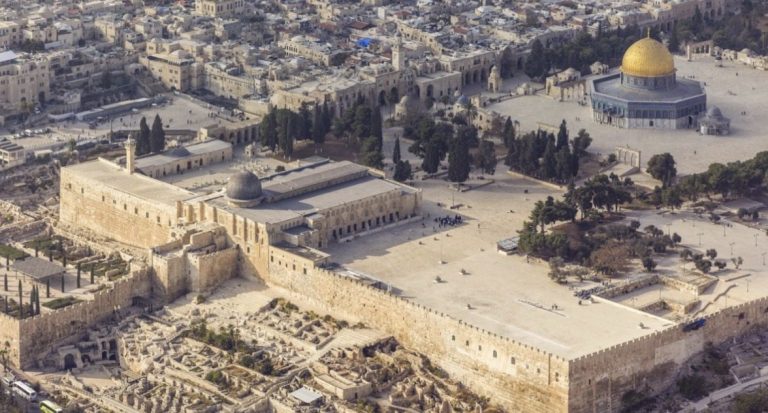

What after Ramadan?
Continuing the Spirit Beyond the Blessed Month
الْحَمْدُ لِلَّهِ رَبِّ الْعَالَمِينَ وَ الصَّلٰوۃ وَالسَّلَامُ علٰی رَحْمَةً لِلْعَالَمِينَ۔ امّابعد
Allah says:
وَإِذَا سَأَلَكَ عِبَادِى عَنِّى فَإِنِّى قَرِيبٌ ۖ أُجِيبُ دَعْوَةَ ٱلدَّاعِ إِذَا دَعَانِ ۖ فَلْيَسْتَجِيبُوا۟ لِى وَلْيُؤْمِنُوا۟ بِى لَعَلَّهُمْ يَرْشُدُونَ
When My servants ask you ˹O Prophet˺ about Me: I am truly near. I respond to one’s prayer when they call upon Me. So let them respond ˹with obedience˺ to Me and believe in Me, perhaps they will be guided ˹to the Right Way˺. (2:186)
Ramadan has passed. Now an important question faces each one of us: what are you feeling right now?
Ramadan is not the Finishing Line
Are you feeling relief, as if a burden has been lifted and now you can rest?
Or sadness, knowing that the days of multiplied rewards and special blessings are gone?
Or perhaps joy, because you feel you made the most of Ramadan, through Dua, charity, prayer, and purification of the heart?
Take a pause. Ramadan was never meant to be the finish line. It was meant to be training.
Ramadan is not about being a servant of Allah for one month and returning to “normal life” afterward. It is about building taqwa, Allah-consciousness, and safeguarding it beyond the month. Ramadan teaches us to move our worship from routine to greatness.
Continue the Spirit of Ramadan
If Ramadan changed your schedule, taught you discipline, simplified your life, then know this: Allah does not burden a soul beyond what it can bear. The Prophet ﷺ, when given two choices, always chose the easier one unless it was sinful. Islam is not about burnout; it is about consistency. So, when Ramadan ends, the goal does not end. The spirit must remain. Build, reinforce, or repair your taqwa, and then keep working on it. A practical way to continue after Ramadan is to reduce the goal but keep it alive.
If you completed one full recitation of the Qur’an in Ramadan, aim for half this month.
If that is too much, then a quarter.
If that is still difficult, then five pages a day—one page after each prayer.
The Qur’an was divided into thirty parts to teach us balance and consistency. Spend time daily—even a few minutes—reading, listening to tafsīr, and reflecting deeply. The Qur’an was revealed to be implemented, not just recited.
Taraweeh felt amazing, did it not? But who said closeness to Allah is only for Ramadan nights? Allah loves voluntary night prayers all year. If you are still waking up early, pray Tahajjud. And if you can, fast six days of Shawwal, for the Prophet ﷺ said their reward is like fasting an entire year.
Beware! Shaytan is Unchained
Be careful, Shayṭān was chained in Ramadan, but now he has returned. Slipping is human, but turning away is dangerous. If you fall, stand back up. Try again. Try harder. Worship Allah as you truly want to worship Him.
Message of Ramadan
Ramadan proved something important to us:
No matter how heavy our sleep, we woke up for suhoor.
No matter how attached we were to food, we stayed away from it all day.
No matter how distant we were from the Qur’an, we listened attentively in Taraweeh.
No matter how stingy we were, we gave charity.
No matter how careless we were with sins, we tried to restrain ourselves.
This means Allah has shown us what we are capable of. Ramadan has a clear message for you:
If you can stay away from food and drink for Allah, then you can stay away from sin for Allah.
If you were eager to pray in Ramadan, you can pray throughout the year.
The training has already strengthened you—you just need to continue.
Practical Steps to keep the momentum of Ramadan
Befriend the Qur’an: Do not abandon it after Ramadan. The Qur’an is your companion in life and your light in the grave. Even one āyah a day, with understanding and reflection, can transform your heart. Make a long-term plan. Learn its language, understand its meaning, and apply it to your life.
Keep good company: The Prophet ﷺ said that a person follows the religion of their close friend. Choose companions who remind you of Allah, who strengthen your faith, not weaken it.
Attend gatherings of knowledge: These gatherings are surrounded by angels. The faith you gain there cannot be replaced by screens and recordings alone. Seek them out and be consistent.
Abandon sins: Sins darken the heart and block guidance. Make a sincere plan to leave them, especially the major ones. Focus on improvement step by step. Allah loves progress.
Guard the obligatory prayers: Never abandon them. Salah is your daily meeting with Allah. Allah says: “Indeed, prayer restrains from immorality and wrongdoing.” (29:45)
The night prayer: Even once a week or once a month. The peace and closeness to Allah in the depths of the night cannot be described.
Don’t Become Ramadan-Only Muslims
Do not be Ramadan-only Muslims or seasonal worshippers. Be Ramadan-born Muslims, people whose faith was renewed and carried forward.
O Allah, accept from us our fasting, our prayers, our charity, and our repentance. O Allah, do not make this Ramadan the last of our lives. O Allah, allow us to worship You consistently, sincerely, and beautifully until we meet You.
Dua: Let us Pray
O Allah, we ask You to accept from us our fasting, our prayers, our charity, our recitation of the Qur’an, and our repentance in Ramadan.
O Allah, do not make Ramadan the end of our worship, and do not make our obedience end with its ending.
O Allah, make us steadfast upon Your obedience after Ramadan just as You enabled us during it.
O Allah, make the Qur’an the spring of our hearts, the light of our chests, the remover of our worries, and the reliever of our distress.
O Allah, make us among the people of the Qur’an, those who recite it, understand it, and act upon it day and night.
O Allah, grant us true taqwa in public and in private.
O Allah, help us remember You, thank You, and worship You in the best manner.
O Allah, strengthen us against our nafs and against Shayṭān, and do not leave us to ourselves even for the blink of an eye.
O Allah, forgive our sins—those we committed knowingly and unknowingly, openly and secretly.
O Allah, purify our hearts from hypocrisy, our deeds from showing off, and our tongues from falsehood.
O Allah, allow us to remain consistent in our prayers, protect us from abandoning the obligations, and grant us the sweetness of standing before You in the night prayer.
O Allah, rectify our affairs, guide our youth, protect our families, and unite our hearts upon truth and righteousness.
O Allah, grant relief to the oppressed, forgiveness to our deceased, healing to the sick, and mercy to this Ummah.
O Allah, grant us a good ending, and make our best days the days we meet You.
O Allah, purify our hearts, refine our souls, and forgive everyone of us.
O Allah, unite our hearts, increase our compassion, and guide us to live with wisdom and sincerity.
O Allah, help us follow the example of Your beloved Prophet Muhammad ﷺ, who was sent as a mercy to all creation.
O Allah, bless our families with love and understanding, and our society with unity and peace.
O Allah, honour us with the intercession of Prophet Muhammad ﷺ, fill our hearts with his love, and grant us the blessing of being in his company in the hereafter.
رَبَّنَا آتِنَا فِي الدُّنْيَا حَسَنَةً وَفِي الْآخِرَةِ حَسَنَةً وَقِنَا عَذَابَ النَّارِ
Our Lord, grant us good in this world and good in the Hereafter and save us from the torment of the Fire.
I conclude my sermon with the verse from the Qur'an:
اِنَّ اللّـٰهَ يَاْمُرُ بِالْعَدْلِ وَالْاِحْسَانِ وَاِيْتَـآءِ ذِى الْقُرْبٰى وَيَنْـهٰى عَنِ الْفَحْشَآءِ وَالْمُنْكَرِ وَالْبَغْىِ ۚ يَعِظُكُمْ لَعَلَّكُمْ تَذَكَّرُوْنَ
Indeed, Allah commands justice, grace, as well as generosity to close relatives. He forbids indecency, bad conduct and aggression. He instructs you so perhaps you will be mindful. (Quran 16: 90)
أَقُولُ قَوْلِي هَذَا وَأَسْتَغْفِرُ اللَّهَ لِي وَلَكُمْ، فَاسْتَغْفِرُوهُ إِنَّهُ هُوَ الْغَفُورُ الرَّحِيمُ
وَآخِرُ دَعْوَانَا أَنِ الْحَمْدُ لِلَّهِ رَبِّ الْعَالَمِينَ
___________________________________________

New Year:
Rebuild Yourself
Reflection, Renewal, and Responsibility
الْحَمْدُ لِلَّهِ رَبِّ الْعَالَمِينَ وَ الصَّلٰوۃ وَالسَّلَامُ علٰی رَحْمَةً لِلْعَالَمِينَ۔ امّابعد
Allah swt says:
وَٱلْعَصْرِ- إِنَّ ٱلْإِنسَـٰنَ لَفِى خُسْرٍ- إِلَّا ٱلَّذِينَ ءَامَنُوا۟ وَعَمِلُوا۟ ٱلصَّـٰلِحَـٰتِ وَتَوَاصَوْا۟ بِٱلْحَقِّ وَتَوَاصَوْا۟ بِٱلصَّبْرِ
“By time, indeed mankind is in loss, except for those who believe, do righteous deeds, encourage one another to truth, and encourage one another to patience.” (Surah al-‘Asr)
As we enter a new year, this powerful Surah reminds us that time is one of the greatest blessings of Allah. It is constantly slipping away. Days and nights pass silently, yet they carry away our lives, our opportunities, and our deeds.
Imam Hasan al-Basri (may Allah be pleased with him) said:
يا أبن آدم إنما أنت أيام، كُلما ذهب يوم ذهب بعضك
O son of Adam, you are nothing but a number of days. Whenever a day passes, a part of you passes away.”
As we step into a new year, the following verse reminds us to carry hope in our hearts:
عَسَىٰ رَبُّنَا أَن يُبْدِلَنَا خَيْرًا مِّنْهَا إِنَّا إِلَىٰ رَبِّنَا رَاغِبُونَ
“Perhaps our Lord will replace it for us with something better. Indeed, we are turning to our Lord with hope.”
Whatever the past year held, ease or hardship, we turn to Allah with trust, believing that what He chooses next can be better for us.
Every sunrise brings a new opportunity, and every sunset seals a day forever.
The arrival of a new year is not merely a change of dates, it is a step closer to the grave, the resurrection, and standing before Allah for accountability.
The Islamic Perspective on the New Year
Islam does not teach us to welcome the new year with heedlessness, extravagance, or disobedience. Instead, Islam teaches us reflection, gratitude, repentance, and renewal.
A believer welcomes the new year by:
- Thanking Allah for the blessing of life
- Repenting sincerely for past shortcomings
- Renewing commitment to obedience
- Setting righteous intentions for the future
The best way to begin a new year is with a renewed connection to Allah ﷻ.
Ask yourself:
- Have my deeds improved?
- Is my character better than before?
- Am I closer to the Qur’an?
- Have my manners and Akhlaq improved?
- Have I fulfilled the rights of Allah and the rights of people?
Allah swt. says:
إِنَّ ٱللَّهَ لَا يُغَيِّرُ مَا بِقَوْمٍ حَتَّىٰ يُغَيِّرُوا۟ مَا بِأَنفُسِهِمْ
“Indeed, Allah does not change the condition of a people until they change what is within themselves.” (13:11)
Let the New Year Be a Turning Point
Let this year be a year of real change:
- More consistency in Prayers and other obligations
- A stronger relationship with the Qur’an
- Better treatment of family, spouses, and children
- Greater honesty, patience, and humility
- Less anger and less attachment to the worldly distractions
Reflection, Intentions, and Self-Accountability
The new year calls us to perform Muhasabah, honest self-accountability. Have we been just, kind, and responsible? Have we honoured our duties, our responsibilities, our trusts, and commitments?
The Prophet ﷺ said:
انما الاعمال باالنیات
“Actions are judged by intentions.” (Bukhārī)
So let us purify our intentions, seek forgiveness for the past, and resolve to be better in the year ahead, stronger in worship, more generous in charity, and more mindful of our responsibilities to our families, our community, our neighbours, and our society.
Islam teaches us that we are responsible not only for ourselves but for others as well. The Prophet ﷺ said:
خَيْرُ النَّاسِ مَنْ يَنْفَعُ النَّاسَ
“The best of people are those who benefit others.”
Accountability Before Allah
Allah ﷻ says:
يَـٰٓأَيُّهَا ٱلَّذِينَ ءَامَنُوا۟ ٱتَّقُوا۟ ٱللَّهَ وَلْتَنظُرْ نَفْسٌۭ مَّا قَدَّمَتْ لِغَدٍۢ
“O you who believe, be mindful of Allah, and let every soul look to what it has sent forth for tomorrow.” (59:18)
The Prophet ﷺ said:
لَا تَزُولُ قَدَمُ ابْنِ آدَمَ يَوْمَ الْقِيَامَةِ مِنْ عِنْدِ رَبِّهِ حَتَّى يُسْأَلَ عَنْ خَمْسٍ عَنْ عُمُرِهِ فِيمَ أَفْنَاهُ وَعَنْ شَبَابِهِ فِيمَ أَبْلَاهُ وَمَالِهِ مِنْ أَيْنَ اكْتَسَبَهُ وَفِيمَ أَنْفَقَهُ وَمَاذَا عَمِلَ فِيمَا عَلِمَ
“The feet of the son of Adam will not move on the Day of Judgment until he is asked about his life and how he spent it, his youth and how he used it, his wealth — how he earned it and how he spent it — and what he did with his knowledge.” (Tirmidhī)
Who Is Truly Successful?
The Prophet ﷺ was asked who the best among people. He replied:
مَنْ طَالَ عُمُرُهُ وَحَسُنَ عَمَلُهُ
“The one whose life is long and whose deeds are good.”
And he said the worst person is:
مَنْ طَالَ عُمُرُهُ وَسَاءَ عَمَلُهُ
“The one whose life is long but whose deeds are evil.”
A long life alone is not success. True success is when time becomes an investment in faith, worship, and good character. A believer sees every day as an opportunity — to repent, to improve, to serve, and to draw closer to Allah.
The Prophet ﷺ said:
كُلُّ النَّاسِ يَغْدُو، فَبَائِعٌ نَفْسَهُ فَمُوبِقُهَا، أَوْ مُعْتِقُهَا
“Every person goes out each morning: either selling his soul to destruction or freeing it.”
Every day is a transaction. Either we profit through obedience or lose through heedlessness.
Conclusion
As we begin this new year, let us not allow it to pass without change, without Tarbiya, and without repentance. Let it be:
- A year of focusing on our mission and purpose,
- A year of Tazkiah and purification,
- A year of Tarbiyah and improvement
- A year of closeness to Allah.
Let us measure our lives not by how long we live, but by how well we live for the sake of Allah swt.
Dua
Let's pray
O, Allah, send Your peace and blessings upon our Prophet Muhammad ﷺ, his noble family and companions.
O Allah, make this new year a year of iman, peace, well-being, and steadfastness.
اللَّهُمَّ بَارِكْ لَنَا فِي أَعْمَارِنَا، وَاجْعَلْ حَيَاتِنَا زِيَادَةً لَنَا فِي كُلِّ خَيْرٍ
O Allah, bless us in our time, and make our lives an increase in every good.”
اللّهم اجعل يومنا خيرًا من أمسِنا، واجعل غدَنا خيرًا من يومِنا
O Allah, make our today better than yesterday, and make our tomorrow better than today.
اللھم احسن عاقبتنا فی الامور کلھا واجرنا من خزی الدنیا و عذاب الآخرہ
O Allah, grant us a good ending in all our matters, and protect us from the disgrace of this world and the torment of the Hereafter.
اللّهم مع بداية عامٍ جديد، قرّبنا إليك، واغفر لنا ما مضى، وبارك لنا فيما هو آتٍ
O Allah, with the beginning of a new year, draw us closer to You, forgive what has passed, and bless what is to come.
اللّهم اجعل هذا العام عامَ خيرٍ وبركة، وحقّق لنا فيه ما نتمنّى من رضاك
O Allah, make this year a year of goodness and blessings, and grant us in it what we hope for from Your pleasure.
اللّهم بدّل أحزاننا أفراحًا، وهمومنا فرجًا، وأيامنا سعادةً وقربًا منك.
O Allah, turn our sorrows into joy, our worries into relief, and our days into happiness and closeness to You.
O Allah, guide us to the straight path, accept our deeds, and grant us a good ending.
O Allah, bless us in our time, make our lives an increase in goodness.
O Allah, Purify our hearts, correct our intentions, and strengthen us in our faith.
O Allah, help us to remember You, thank You, and worship You in the best manner,
O Allah, remove from our hearts anger, pride, and arrogance, and replace them with patience, humility, and contentment.
O Allah, grant us a good ending, Protect us from an evil ending, and allow us to meet You while You are pleased with us.
O Allah, grant unity to the Ummah, protect our communities, and guide our children to righteousness.
اللَّهُمَّ طَهِّرْ قُلُوبَنَا مِنَ النِّفَاقِ، وَأَعْمَالَنَا مِنَ الرِّيَاءِ، وَأَلْسِنَتَنَا مِنَ الْكَذِبِ، وَأَعْيُنَنَا مِنَ الْخِيَانَةِ
O Allah, purify our hearts from hypocrisy, our deeds from showing off, our tongues from falsehood, and our eyes from betrayal.
رَبَّنَا لَا تُزِغْ قُلُوبَنَا بَعْدَ إِذْ هَدَيْتَنَا، وَهَبْ لَنَا مِنْ لَدُنْكَ رَحْمَةً، إِنَّكَ أَنْتَ الْوَهَّابُ
Our Lord, do not let our hearts deviate after You have guided us, and grant us from Yourself mercy — indeed, You are the Bestower.
O Allah, honour us with the intercession of Prophet Muhammad ﷺ, fill our hearts with his love, and grant us the blessing of being in his company in the hereafter.
رَبَّنَا آتِنَا فِي الدُّنْيَا حَسَنَةً وَفِي الْآخِرَةِ حَسَنَةً وَقِنَا عَذَابَ النَّارِ
Our Lord, grant us good in this world and good in the Hereafter and save us from the torment of the Fire.
I conclude my sermon with the verse from the Qur'an:
اِنَّ اللّـٰهَ يَاْمُرُ بِالْعَدْلِ وَالْاِحْسَانِ وَاِيْتَـآءِ ذِى الْقُرْبٰى وَيَنْـهٰى عَنِ الْفَحْشَآءِ وَالْمُنْكَرِ وَالْبَغْىِ ۚ يَعِظُكُمْ لَعَلَّكُمْ تَذَكَّرُوْنَ
Indeed, Allah commands justice, grace, as well as generosity to close relatives. He forbids indecency, bad conduct and aggression. He instructs you so perhaps you will be mindful. (Quran 16: 90)
أَقُولُ قَوْلِي هَذَا وَأَسْتَغْفِرُ اللَّهَ لِي وَلَكُمْ، فَاسْتَغْفِرُوهُ إِنَّهُ هُوَ الْغَفُورُ الرَّحِيمُ
وَآخِرُ دَعْوَانَا أَنِ الْحَمْدُ لِلَّهِ رَبِّ الْعَالَمِينَ
____________________________________

Da’wah: A Sacred Obligation
Exploring the Role of Da'wah in Muslim Faith
الْحَمْدُ لِلَّهِ رَبِّ الْعَالَمِينَ وَ الصَّلٰوۃ وَالسَّلَامُ علٰی رَحْمَةً لِلْعَالَمِينَ۔ امّابعد
Allah ﷻ says in the Holy Qur'an:
ٱدْعُ إِلَىٰ سَبِيلِ رَبِّكَ بِٱلْحِكْمَةِ وَٱلْمَوْعِظَةِ ٱلْحَسَنَةِ ۖ وَجَـٰدِلْهُم بِٱلَّتِى هِىَ أَحْسَنُ ۚ إِنَّ رَبَّكَ هُوَ أَعْلَمُ بِمَن ضَلَّ عَن سَبِيلِهِۦ ۖ وَهُوَ أَعْلَمُ بِٱلْمُهْتَدِينَ
Invite to the Way of your Lord with wisdom and kind advice, and only debate with them in the best manner. Surely your Lord knows best who has strayed from His Way and who is ˹rightly˺ guided. (16:125)
Da‘wah is a sacred obligation and a noble responsibility in Islam. Da‘wah is not an optional act reserved for scholars alone; it is a shared responsibility upon the Ummah, each according to ability, knowledge, and circumstance.
Da‘wah is rooted in our testimony of faith. When we say La ilaha illa Allah, we affirm truth, and Da‘wah is the act of sharing that truth with compassion. When we testify that Muhammad ﷺ is the Messenger of Allah, we accept his mission, and his mission was Da‘wah.
The above verse 16:125 from the Holy Qur'an lays down the foundations of Da‘wah:
- Invitation, not compulsion.
- Wisdom, not harshness.
- Beauty in speech, not arrogance in argument.
Allah ﷻ also says:
وَلْتَكُن مِّنكُمْ أُمَّةٌۭ يَدْعُونَ إِلَى ٱلْخَيْرِ وَيَأْمُرُونَ بِٱلْمَعْرُوفِ وَيَنْهَوْنَ عَنِ ٱلْمُنكَرِ ۚ وَأُو۟لَـٰٓئِكَ هُمُ ٱلْمُفْلِحُونَ
“Let there be a group among you who call ˹others˺ to goodness, encourage what is good, and forbid what is evil. And it is they who are successful.” (Qur’an 3:104)
Some may assume that Da‘wah is restricted to a specific group. However, the Sunnah of the Prophet ﷺ clarifies that while some may specialize in Da‘wah, the responsibility itself rests upon every Muslim, according to his or her ability.
The Messenger of Allah ﷺ said:
بَلِّغُوا عَنِّي وَلَوْ آيَةً
“Convey from me, even if it is one verse.” (Bukhari)
This profound hadith removes all excuses. General Da‘wah does not require titles, degrees, or lengthy speeches. It requires sincerity, truthfulness, and action. Thus, basic Da‘wah is the responsibility of every Muslim male and female.
Da‘wah by Words and Da‘wah by Actions
Da‘wah in Islam is not limited to the speech alone; it is also through behaviour, character, and attitude. The strongest Da‘wah is often silent: honesty in trade, mercy in hardship, patience in anger, and justice in dealings.
Allah says about His Messenger ﷺ:
وانّک لعلیٰ خلق عظیم
“And indeed, you are upon the highest level of character.” (68:4)
The Prophet ﷺ practiced Da‘wah through both words and actions. He preached with his speech and demonstrated Islam through his beautiful character. Syeda Aishah (may Allah be pleased with her) said that whoever wished to see the Qur’an walking upon the earth should look at the character of Muhammad ﷺ. People entered Islam not only by hearing the Qur’an, but by witnessing the character of those who lived with it.
If you are a scholar, your Da‘wah is through sermons, lectures, teaching, writing, and meaningful dialogue.
If you are not a scholar, you are still a Da‘ee, through honesty, patience, good manners, and integrity.
At your workplace, in the marketplace, in public spaces, and online, you are an ambassador of Islam.
Da‘wah requires:
- Knowledge, so we speak with clarity, not confusion.
- Sincerity and Ikhlas, so we seek Allah’s pleasure, not point scoring.
- Patience, for guidance is in Allah’s hands, not ours.
- Mercy, for the Prophet ﷺ was sent as a mercy to the worlds.
The Correct Method of Da‘wah
The challenge today is not the absence of Da‘wah, but that it is often carried out incorrectly.
Some have harmed the image of Islam through harshness, rigidity, poor arguments, and poor manners. Others believe Da‘wah means attacking other religions, insulting beliefs, or mocking scriptures. This is neither the way of the Qur’an nor the way of our Prophet Muhammad ﷺ.
Allah ﷻ commanded us to invite with wisdom and dignity, not humiliation or ridicule. Our role is not to win arguments, but to open hearts.
A Da‘ee must clearly distinguish between Islam and the mistakes of some Muslims. Islam is perfect; Muslims are not.
Gentleness Is the Key
Once the Prophet ﷺ said to Syeda Aisha (may Allah be pleased with her):
يَا عَائِشَةُ ارْفُقِي فَإِنَّ الرِّفْقَ لَمْ يَكُنْ فِي شَىْءٍ قَطُّ إِلاَّ زَانَهُ وَلاَ نُزِعَ مِنْ شَىْءٍ قَطُّ إِلاَّ شَانَهُ
“O, Aisha! show gentleness, for if gentleness is found in anything, it beautifies it and when it is taken out from anything it damages it.”(Abu Dawud)
Had the Prophet ﷺ not engaged the people of Makkah with patience, mercy, and wisdom, many of us would not be Muslim today. Islam spread through compassion, respect, and noble character, not through labels, hostility, or hatred.
The Ethical Approach to Dawah
Islamic teachings emphasise that Dawah must be conducted with wisdom, respect, and kindness. Coercion or compulsion in matters of faith is strictly prohibited, as stated in the Qur’an:
لَآ إِكْرَاهَ فِى ٱلدِّينِ
"There is no compulsion in religion" (2:256).
Muslims are encouraged to embody the values of honesty, integrity, and compassion in their interactions, presenting the message of Islam in a manner that is inviting and non-confrontational. The aim is to foster understanding, positive dialogue, and peaceful coexistence rather than to win arguments or force conversions.
Who is excellent person in Islam?
Allah ﷻ praises those who combine Faith, Piety and Da'wah:
وَمَنْ أَحْسَنُ قَوْلًۭا مِّمَّن دَعَآ إِلَى ٱللَّهِ وَعَمِلَ صَـٰلِحًۭا وَقَالَ إِنَّنِى مِنَ ٱلْمُسْلِمِينَ
“And who is better in speech than one who calls to Allah, does righteous deeds, and says: ‘Indeed, I am among the Muslims.’” (Fussilat 41:33)
The Immense Reward of Da‘wah
The reward of Da‘wah is beyond measure. The Prophet ﷺ said:
الدَّالَّ على الخيرِ كفاعِلِه
“Whoever guides someone to goodness will have a reward similar to the one who does it.” (Muslim)
And he ﷺ also said:
فَوَاللَّهِ لأَنْ يُهْدَى بِكَ رَجُلٌ وَاحِدٌ خَيْرٌ لَكَ مِنْ حُمْرِ النَّعَمِ
“By Allah, if Allah were to guide one person through you, it would be better for you than the best of camels.” (Bukhari, Muslim)
Imagine, a single reminder, a single smile, or a single act of kindness becoming the reason for someone’s guidance, and every prayer, every fast, and every good deed they perform continues to be written in your scale of deeds until the Day of Judgment.
Dawah in the Modern World
Today, the practice of Dawah has adapted to diverse cultural and societal contexts. Muslims engage in Dawah through:
- Community outreach,
- Mosque open days
- Communal activities
- Interfaith dialogue,
- Volountry and Social work,
- Da'wah Events
- Education
- Everyday actions and conduct.
In an increasingly interconnected world, the responsibility of Dawah extends beyond verbal communication; it also involves serving as a positive example and contributing to the common good. By upholding ethical standards and promoting justice, Muslims can effectively demonstrate the universal values of Islam.
Da‘wah in Every Day Life
In our families, Da‘wah begins with how we raise our children.
In our communities, it is how we resolve conflicts and uphold goodness.
In society, it is how we represent Islam through our conduct, speech, and ethics.
Every Muslim is an ambassador of Islam, whether they realize it or not. People may never open a Qur’an, but they will read our actions.
Conclusion and Supplication
Da‘wah is a sacred obligation in Islam. It requires:
- Sound knowledge,
- Wisdom,
- Patience,
- Humility,
- Beautiful character.
Da'waj is carried out with our words and our actions, in private and in public, throughout our lives.
Dawah deeply intertwined with the faith’s spiritual, ethical, and communal dimensions. It is a call to share the message of Islam with wisdom and compassion, striving to benefit humanity and please Allah. Every Muslim is encouraged to participate in Dawah, upholding the noble tradition of inviting others to the path of righteousness, peace, and understanding.
Let us ask ourselves:
- Are we fullfiling our obligation of Da'wah according to our capacity?
- Are we doing Da'wah through our behaviour?
- Do we have enough knowledge to deliver Da'wah work?
- Are we gentle, wise, and sincere?
- Are we practicing what we preach?
Concluding Du’as
Let's Pray
O, Allah, send Your peace and blessings upon our Prophet Muhammad ﷺ, his noble family and companions.
O Allah, make us among those who call to Your path with wisdom and beautiful exhortation.
O Allah, purify our intentions, correct our actions, and beautify our character so that we represent Islam in the best way.
O Allah, guide us and make us a means of guidance for others. Do not make us a barrier between people and Your religion.
O Allah, grant us sincerity in our words and deeds, patience in our efforts, humility in our character, and firmness upon the truth until we meet You.
O, Allah, make our actions speak louder than our words, and let our behavior be a reflection of the teachings of the Qur’an and the Sunnah of our beloved Prophet ﷺ.
O Allah, forgive our parents, our families, our teachers, and all the believers—those who are alive and those who have returned to You.
O Allah, guide us to Your straight path, and make us among those who listen to good words and follow the best of them.
اللَّهُمَّ ثَبِّتْ قُلُوبَنَا عَلَى دِينِكَ، وَاحْفَظْ إِيمَانَنَا فِي كُلِّ زَمَانٍ وَمَكَانٍ.
O Allah, keep our hearts firm upon Your religion, and protect our faith in every time and place.
اللَّهُمَّ اجْعَلْنَا مَفَاتِيحَ لِلْخَيْرِ مَغَالِيقَ لِلشَّرِّ، وَارْزُقْنَا الْحِكْمَةَ فِي التَّعَامُلِ مَعَ النَّاسِ
O Allah, make us keys to goodness and locks against harm, and grant us wisdom in how we deal with others.
رَبَّنَا لَا تُزِغْ قُلُوبَنَا بَعْدَ إِذْ هَدَيْتَنَا وَهَبْ لَنَا مِن لَّدُنكَ رَحْمَةً ۚ إِنَّكَ أَنتَ الْوَهَّابُ
Our Lord, do not let our hearts deviate after You have guided us, and grant us mercy from Yourself. Truly, You are the Bestower.
اللَّهُمَّ اجْعَلْ فِي قَلْوبنا نُورًا، وَفِي ابَصَارنا نُورًا، وَفِي اسَمْاعنا نُورًا
O Allah, place Noor (divine light) in our hearts, in our sights, and in our hearings.
O Allah, purify our hearts, refine our souls, and forgive everyone of us.
O Allah, unite our hearts, increase our compassion, and guide us to live with wisdom and sincerity.
O Allah, purify our hearts from arrogance and hatred, and fill them with humility and compassion.
O Allah, help us follow the example of Your beloved Prophet Muhammad ﷺ, who was sent as a mercy to all creation.
O Allah, bless our families with love and understanding, and our society with unity and peace.
O Allah, honour us with the intercession of Prophet Muhammad ﷺ, fill our hearts with his love, and grant us the blessing of being in his company in the hereafter.
رَبَّنَا آتِنَا فِي الدُّنْيَا حَسَنَةً وَفِي الْآخِرَةِ حَسَنَةً وَقِنَا عَذَابَ النَّارِ
Our Lord, grant us good in this world and good in the Hereafter and save us from the torment of the Fire.
I conclude my sermon with the verse from the Qur'an:
اِنَّ اللّـٰهَ يَاْمُرُ بِالْعَدْلِ وَالْاِحْسَانِ وَاِيْتَـآءِ ذِى الْقُرْبٰى وَيَنْـهٰى عَنِ الْفَحْشَآءِ وَالْمُنْكَرِ وَالْبَغْىِ ۚ يَعِظُكُمْ لَعَلَّكُمْ تَذَكَّرُوْنَ
Indeed, Allah commands justice, grace, as well as generosity to close relatives. He forbids indecency, bad conduct and aggression. He instructs you so perhaps you will be mindful. (Quran 16: 90)
أَقُولُ قَوْلِي هَذَا وَأَسْتَغْفِرُ اللَّهَ لِي وَلَكُمْ، فَاسْتَغْفِرُوهُ إِنَّهُ هُوَ الْغَفُورُ الرَّحِيمُ
وَآخِرُ دَعْوَانَا أَنِ الْحَمْدُ لِلَّهِ رَبِّ الْعَالَمِينَ
___________________________________________


Vote: Stand Up
and Be Counted
A Sermon Encouraging Political Participation
الْحَمْدُ لِلَّهِ رَبِّ الْعَالَمِينَ وَ الصَّلٰوۃ وَالسَّلَامُ علٰی رَحْمَةً لِلْعَالَمِينَ۔ امّابعد
Allah swt says in the Holy Quran:
وَلْتَكُنْ مِّنْكُمْ اُمَّةٌ يَّّدْعُوْنَ اِلَى الْخَيْـرِ وَيَاْمُرُوْنَ بِالْمَعْرُوْفِ وَيَنْهَوْنَ عَنِ الْمُنْكَرِ ۚ وَاُولٰٓئِكَ هُـمُ الْمُفْلِحُوْنَ
Let there be a group among you who call ˹others˺ to goodness, encourage what is good, and forbid what is wrong—it is they who will be successful. (Qur’an 3:104)
With the general election approaching, it is important that we reflect on our responsibilities as Muslims living in this country and understand our role within the society in which Allah has placed us.
Therefore, I wish to address a matter of great importance not only to our community but to the wellbeing of our society at large: the significance of participating in elections.
The act of voting is not merely a civic duty but, through the lens of Islam, a moral responsibility. As Muslims living in a democratic society, our participation in the electoral process is a means by which we can uphold justice, promote good, and prevent harm, in line with the teachings of our beloved faith.
In the modern world, voting is a legitimate way to contribute to the selection of leaders who will uphold justice and ensure the welfare of all. By standing up and being counted, we fulfil our duty to support what is right and beneficial.
Vote: A Testimony
Voting is not just a right, but a form of testimony.
Allah swt says in the Glorious Quran:
يَـٰٓأَيُّهَا ٱلَّذِينَ ءَامَنُوا۟ كُونُوا۟ قَوَّٰمِينَ بِٱلْقِسْطِ شُهَدَآءَ لِلَّهِ وَلَوْ عَلَىٰٓ أَنفُسِكُمْ أَوِ ٱلْوَٰلِدَيْنِ وَٱلْأَقْرَبِينَ
“O you who believe! Stand out firmly for justice, as witnesses to Allah, even though it be against yourselves, or your parents, or your relatives...” (Qur’an 4:135)
When we vote, we bear witness to the kind of leadership and policies we wish to see. Abstaining from this process may lead to the empowerment of those who do not represent justice and the collective good. Our vote is our voice, our stand for justice, and our fulfilment of the trust Allah has placed upon us.
The Importance of consultation
Allah says in the Qur’an:
وَشَاوِرْهُمْ فِى ٱلْأَمْرِ ۖ فَإِذَا عَزَمْتَ فَتَوَكَّلْ عَلَى ٱللَّهِ
“...and consult them in the matter. And when you have decided, then rely upon Allah...” (Qur’an 3:159)
Our beloved Prophet Muhammad (peace be upon him) also emphasised the importance of shura, or mutual consultation, in community affairs.
This principle of consultation underpins the concept of democratic participation. By voting, we engage in a process that seeks the input and consensus of the community, echoing the prophetic tradition of involving the people in decision-making.
Why Should We Participate?
The Muslim community in Britain is diverse. Some families have been here since the 1950s, others arrived decades later, and some only recently. Some of us are immigrants, while others are British-born. Despite these differences, we share common concerns—our needs, our demands, our hopes, and our challenges.
Due to global political events and foreign policies, many Muslims feel isolation, mistrust, and disillusionment. This has led some to withdraw from the political process. However, withdrawing only weakens our collective voice.
The Muslim Vote Matters
Even if you believe your individual vote may not change the immediate outcome of an election, your participation still matters. Voting demonstrates the strength and presence of the Muslim community in a particular area. Political parties study voting patterns, and when they see active Muslim participation, they are more likely to consider Muslim concerns and select candidates who engage with our issues.
Low voter turnout among Muslims often comes from a belief that voting makes no difference. This sense of disempowerment must be challenged. We must restore belief in ourselves and in our ability to influence society positively.
The Islamic Verdict on Voting
Elections are not a battle between Islam and disbelief. We live in a civilised society where voting is a democratic right and one of the most powerful tools for achieving political influence.
Voting is not only permissible in Islam; it is a responsibility. It is part of protecting our rights and the rights of others. Major Muslim organisations agree that participation in the electoral process is a civic duty because it allows us to contribute to a better society—not only for Muslims, but for everyone.
Why Do Some Muslims Avoid Voting?
Unfortunately, negative propaganda against Islam has damaged our sense of belonging and identity. Muslims are often portrayed unfairly, painted with the same brush, and associated with labels such as extremism and radicalism. This has created an environment where Muslims feel alienated and hesitant to express legitimate concerns.
There is a real danger that Muslims may become further isolated and excluded from mainstream society. This is deeply worrying and can only be countered through engagement, not withdrawal.
Why We Must Vote
Political participation transforms a passive community into a proactive one. Change does not happen overnight. We must abandon the idea of instant results and understand that progress requires patience, consistency, and long-term effort.
By engaging in the political process, we work towards a better future for our children. Over time, this engagement can help address racism, Islamophobia, hate crimes, poverty, workplace discrimination, and unfair treatment in education and business.
We cannot sit back and wait for change. Change requires effort.
Two Choices Before Us
We have only two options:
- Sit aside, feel frustrated, and complain
- Or get involved, engage, and contribute positively
If we do not participate, others with harmful agendas will fill the space. By voting and engaging, we can prevent extremist and Islamophobic groups from gaining power.
Working With the System
Participation in the democratic process does not mean compromising our faith. It means working within the system, not against it, to achieve positive outcomes.
Alhamdulillah, the vast majority of Muslims are law-abiding citizens. We must go further by becoming active members of our communities, using our skills, ethics, and values to promote good and prevent harm within the limits of the law.
Islam gives us strong moral values, and it is our responsibility to take these values beyond our masjids and into wider society. Complaining alone will not bring change. We should support individuals and organisations that serve the Muslim community, whether they are Muslim or non-Muslim.
Our Reality as a Minority
We must also be realistic. Muslims are a minority in this country. Sometimes our expectations reflect those of a majority, which is not practical. However, this does not mean our concerns are invalid.
Key issues affecting Muslims include:
- Islamophobia and hate crimes
- Racism and discrimination in employment and business
- Inequality in the education system
- Poverty and unfair treatment
- Laws that disproportionately impact Muslim community
Our goal is a compassionate and caring society—one where no group is left behind, and where everyone has the opportunity to succeed.
Our Responsibility
Living in any society comes with rights and responsibilities. Active participation in the democratic process is one way to protect our rights and fulfil our duties as citizens.
Malcolm X famously said, “You are either part of the problem or part of the solution.” As Muslims, we must choose to be part of the solution.
Britain is a great country, and we are proud to be its citizens. It provides us with opportunities to earn halal livelihoods, support our families, and assist relatives and those in need abroad.
Conclusion
I urge every eligible person to cast their vote—stand up and be counted. I am not telling you who to vote for. That choice is yours alone. But participation itself is essential.
May Allah guide us to what is best for our communities and for society as a whole.
Āmīn.
Dua
Let us Pray
O, Allah, send Your peace and blessings upon our Prophet Muhammad, his family, and his companions.
O Allah, make us among those who leave a legacy of righteousness, compassion, and wisdom.
O, Allah, grant us the ability to perform deeds whose benefit continues after us, and let us be remembered as people who brought light to the world.
O, Allah, forgive our shortcomings, and gather us with the righteous in Jannah.
O Allah, forgive our sins, overlook our shortcomings, and accept our repentance before we return to You.
O Allah, do not make this world our greatest concern or the limit of our knowledge. Make the Hereafter our true goal.
O Allah, help us build a legacy that pleases You, a legacy of faith, righteousness, and benefit for others.
O Allah, allow our actions to continue earning reward even after our deaths. Make our deeds a source of light in our graves.
O Allah, grant us ongoing charity, beneficial knowledge, and righteous families who remember us in their prayers.
O Allah, do not let us be a cause of harm, misguidance, or hardship for others.
O, Allah, make us a source of mercy, goodness, and guidance.
O Allah, grant us sincerity in our intentions, excellence in our actions, and steadfastness until our last breath.
O Allah, grant us a good ending, make our final words the declaration of faith, and gather us among the righteous in the Hereafter.
O Allah, accept from us, for You are the All-Hearing, the All-Knowing. Forgive us, for You are the Most Forgiving, the Most Merciful.
Our Lord, grant us goodness in this world and goodness in the Hereafter, and protect us from the punishment of the Fire.
O Allah, purify our hearts, refine our souls, and forgive everyone of us.
O Allah, unite our hearts, increase our compassion, and guide us to live with wisdom and sincerity.
O Allah, purify our hearts from arrogance and hatred, and fill them with humility and compassion.
O Allah, help us follow the example of Your beloved Prophet Muhammad ﷺ, who was sent as a mercy to all creation.
O Allah, bless our families with love and understanding, and our society with unity and peace.
O Allah, honour us with the intercession of Prophet Muhammad ﷺ, fill our hearts with his love, and grant us the blessing of being in his company in the hereafter.
رَبَّنَا آتِنَا فِي الدُّنْيَا حَسَنَةً وَفِي الْآخِرَةِ حَسَنَةً وَقِنَا عَذَابَ النَّارِ
Our Lord, grant us good in this world and good in the Hereafter and save us from the torment of the Fire.
I conclude my sermon with the verse from the Qur'an:
اِنَّ اللّـٰهَ يَاْمُرُ بِالْعَدْلِ وَالْاِحْسَانِ وَاِيْتَـآءِ ذِى الْقُرْبٰى وَيَنْـهٰى عَنِ الْفَحْشَآءِ وَالْمُنْكَرِ وَالْبَغْىِ ۚ يَعِظُكُمْ لَعَلَّكُمْ تَذَكَّرُوْنَ
Indeed, Allah commands justice, grace, as well as generosity to close relatives. He forbids indecency, bad conduct and aggression. He instructs you so perhaps you will be mindful. (Quran 16: 90)
أَقُولُ قَوْلِي هَذَا وَأَسْتَغْفِرُ اللَّهَ لِي وَلَكُمْ، فَاسْتَغْفِرُوهُ إِنَّهُ هُوَ الْغَفُورُ الرَّحِيمُ
وَآخِرُ دَعْوَانَا أَنِ الْحَمْدُ لِلَّهِ رَبِّ الْعَالَمِينَ
___________________________________________

The Mission of Jesus
Reflections on the Prophetic Legacy of Isa ibn Maryam علیہ السلام
الْحَمْدُ لِلَّهِ رَبِّ الْعَالَمِينَ وَ الصَّلٰوۃ وَالسَّلَامُ علٰی رَحْمَةً لِلْعَالَمِينَ۔ امّابعد
Allah swt says:
قُلْ ءَامَنَّا بِٱللَّهِ وَمَآ أُنزِلَ عَلَيْنَا وَمَآ أُنزِلَ عَلَىٰٓ إِبْرَٰهِيمَ وَإِسْمَـٰعِيلَ وَإِسْحَـٰقَ وَيَعْقُوبَ وَٱلْأَسْبَاطِ وَمَآ أُوتِىَ مُوسَىٰ وَعِيسَىٰ وَٱلنَّبِيُّونَ مِن رَّبِّهِمْ لَا نُفَرِّقُ بَيْنَ أَحَدٍۢ مِّنْهُمْ وَنَحْنُ لَهُۥ مُسْلِمُونَ
Say, ˹O Prophet,˺ “We believe in Allah and what has been revealed to us and what was revealed to Abraham, Ishmael, Isaac, Jacob, and his descendants; and what was given to Moses, Jesus, and other prophets from their Lord—we make no distinction between any of them, and to Him we submit. (Qur'an 3:84)
One message, One Mission
Allah ﷻ has sent many prophets throughout human history, across different lands, languages, and generations. Their names are many, their stories are diverse, but their message was one, and their mission was the same.
The Messenger of Allah ﷺ beautifully explained the unity of all prophets and their relationship between each other when he said:
الأنبياءُ إخوةٌ لِعَلَّاتٍ؛ أُمَّهاتُهم شَتَّى، ودِينُهم واحدٌ
The prophets are paternal brothers; their mothers are different, but their religion is one. (Bukhari)
This profound statement means that although the prophets came with different practices suited to their times and communities, but their core belief, faith, and mission were identical. From Adam to Noah, from Abraham to Moses, from Jesus to final Prophet Muhammad ﷺ, all prophets came with same message, same mission of calling humanity to Tawheed, righteousness, and accountability before Allah. Islam therefore does not divide between prophets, but honours and believes in them all.
What was the Mission of Jesus (peace be upon him)
Allah swt sent Jesus (Peace be upon him) to guide people to the straight path.
The mission of Jesus was built on three foundations:
1. Invitation to Divine Guidance
The main mission of Prophet Jesus was the invitation to the Divine Faith - Islam especially Tawhid, Oneness of Allah.
Prophet Jesus himself said:
إِنَّ اللّٰهَ رَبِّي وَرَبُّكُمْ فَاعْبُدُوهُ ۚ هَٰذَا صِرَاطٌ مُّسْتَقِيمٌ
“Indeed Allah is my Lord and your Lord, so worship Him. This is the straight path.” (Qur’an 19:36)
2. To ease the Divine Restrictions
The Prophet Jesus came to confirm the teachings of Musa (Peace be upon him) and to ease certain restrictions placed on the people because of their earlier disobedience. His mission was rooted in compassion, justice, and spiritual renewal.
Allah says:
وَمُصَدِّقًا لِّمَا بَيْنَ يَدَيَّ مِنَ التَّوْرَاةِ وَلِأُحِلَّ لَكُم بَعْضَ الَّذِي حُرِّمَ عَلَيْكُمْ
“…and confirming what came before me of the Torah, and to make lawful for you some of what was forbidden.” (Qur’an 3:50)
3. To Deliver Glad Tidings of the Final Prophet
The Prophet Jesus given the news of our Prophet Muhammad ﷺ. This shows the unity of all prophets and the continuation of Divine Guidance. One of the greatest tasks of Prophet Jesus was to announce the final Messenger:
وَمُبَشِّرًا بِرَسُولٍ يَأْتِي مِنۢ بَعْدِي اسْمُهُ أَحْمَدُ
“…giving glad tidings of a Messenger to come after me, whose name is Ahmad.” (Qur’an 61:6)
The Prophet Muhammad ﷺ also affirmed this connection:
أَنَا أَوْلَى النَّاسِ بِعِيسَى ابْنِ مَرْيَمَ فِي الدُّنْيَا وَالْآخِرَةِ
“I am the most close to Jesus, son of Mary, among mankind in this world and the Hereafter.” (Bukhari)
Lessons From His Mission
The mission of Jesus (peace be upon him) teaches us:
- Tawhid: Worship Allah alone.
- Compassion: His teachings emphasized mercy and forgiveness.
- Easing religious restrictions and bringing concessions in faith matters in light of Divine Guidance.
- Spiritual sincerity: Faith is more than rituals, it includes mercy,compassion and care for others
- Unity of Prophets: All prophets delivered the same message from the same God.
- Reliance on Allah, even in the most difficult moments
- Purity of character and humility
Understanding the mission of Prophet Jesus (peace be upon him) deepens our faith and strengthens our connection with the followers of other religions, reminding us of the unity of prophethood.
The Prophet Jesus (peace be upon him) stands as a symbol of purity, sincerity, sacrifice, and unwavering devotion to Allah swt.
Prophet Jesus - Beacon of Unity in a Multi-Faith Society
Prophet Jesus (peace be upon him) is loved across cultures and faiths. He is a Beacon of Unity in a Divided World. He is a unifying figure, respected by Muslims, Christians, and many others for his profound moral example. In a world where differences sometimes divide us, his story teaches that faith should be a bridge, not a wall.
In our diverse societies, his example call us to:
- To show mutual respect,
- Speak with kindness
- Live together in harmony and peace
- Calm tensions instead of provoking them
- Soothe conflict rather than inflame it.
- Build bridges where others raise walls.
- Mend and heal communities where divisions emerge.
Practice Faith with Unity, Not Division
When faith is practiced with unity, rooted in love of God and care for humanity, it fulfills the mission shared by all prophets. This is the legacy of Jesus (peace be upon him).
This is beautifully explained in the Holy Qur'an by Allah swt:
شَرَعَ لَكُم مِّنَ الدِّينِ مَا وَصَّىٰ بِهِ نُوحًا وَالَّذِي أَوْحَيْنَا إِلَيْكَ وَمَا وَصَّيْنَا بِهِ إِبْرَاهِيمَ وَمُوسَىٰ وَعِيسَىٰ ۖ أَنْ أَقِيمُوا الدِّينَ وَلَا تَتَفَرَّقُوا فِيهِ
“He has ordained for you the same religion which He enjoined upon Noah, and that which We revealed to you, and what We enjoined upon Abraham, Moses, and Jesus: Uphold the faith, and make no divisions in it ” (Qur’an 42:13)
This verse teaches us that the essence of faith is one. Though our cultures, schools of thought, and experiences may differ, our purpose is the same: to uphold Faith with unity and not division. Practicing faith with unity means focusing on what brings us closer to Allah, not what pushes us away from one another. It means listening with humility, disagreeing with respect, and remembering that guidance comes from God, not from winning arguments. Division weakens our communities, but unity strengthens us.
Let us, therefore, practice our faith with compassion, patience, and mutual respect. When we stand together upon shared values, we reflect the true spirit of the message entrusted to all the prophets, peace be upon them all.
The Unique Honour of Jesus in the Holy Qur’an
Prophet Jesus is mentioned twenty-five times in the Qur’an and given noble titles: Kalimatullāh (Word of Allah), Ruhun minhu (a Spirit from Him), and Ayah (a Sign). There is even a dedicated chapter—Surat Maryam—honouring his blessed mother.
As Muslims, whenever we mention Jesus, we say ‘peace be upon him’, a mark of deep respect and reverence we uphold for all Allah’s prophets.
Mother of Jesus
His mother, Maryam (Peace be upon her), was a woman of exceptional purity, devotion, and obedience. Allah chose her above all women and made her an example for all generations. Her character, her faith, and her patience during hardship remind us that honour comes from piety and trust in Allah.
Our beloved Prophet Muhammad (Peace be upon him) said:
خَيْرُ نِسَائِهَا مَرْيَمُ ابْنَةُ عِمْرَانَ
"Mary, the daughter of Imran, was the best among the women (of the world of her time). (Bukhari)
Miraculous birth
Prophet Jesus (peace be upon him) was born through a miracle. Allah commanded “Be,” and he came into existence without a father, just as Adam (peace be upn him) was created without father or mother. His birth was a sign of Allah’s power:
إِنَّ مَثَلَ عِيسَىٰ عِندَ اللّٰهِ كَمَثَلِ آدَمَ ۖ خَلَقَهُۥ مِن تُرَابٍ ثُمَّ قَالَ لَهُۥ كُن فَيَكُونُ
“The example of Jesus before Allah is like Adam. He created him from dust then said to him: ‘Be,’ and he was.” (Qur’an 3:59)
Miracles of Prophet Jesus (Peace be upon him)
Allah swt says:
وَءَاتَيْنَا عِيسَى ٱبْنَ مَرْيَمَ ٱلْبَيِّنَـٰتِ وَأَيَّدْنَـٰهُ بِرُوحِ ٱلْقُدُسِ
To Jesus, son of Mary, We gave clear proofs and supported him with the holy spirit (Gabriel). (2:253)
By Allah’s permission, Prophet Jesus (peace be upon him) performed many miracles. He spoke as a newborn in the cradle to defend his mother. He healed those born blind and cured lepers; he brought the dead back to life, all by the will of Allah.
وَأُبْرِئُ الْأَكْمَهَ وَالْأَبْرَصَ وَأُحْيِي الْمَوْتَىٰ بِإِذْنِ اللّٰهِ
“…I cure the blind and the leper, and I raise the dead by Allah’s permission.” (Qur’an 3:49)
These miracles were proofs of his prophethood, not signs of divinity. These miracles reflected healing and mercy of Prophet Jesus (peace be upon him).
Return of Jesus
Prophet Jesus was raised towards heaven. He was not killed nor crucified; Allah raised him, and he will return before the end of time to restore truth and justice and to defeat falsehood.
The Prophet ﷺ said:
وَالَّذِي نَفْسِي بِيَدِهِ لَيُوشِكَنَّ أَنْ يَنْزِلَ فِيكُمْ ابْنُ مَرْيَمَ حَكَمًا عَدْلًا
“By the One in whose hand is my soul, the son of Mary will soon descend among you as a just ruler.” (Bukhari)
He will:
- Defeat the false messiah (Dajjal),
- Restore justice and truth on Earth
- Unite the Ummah
Our Responsibility
Belief in Jesus (peace be upon him) should strengthen:
- Our respect for all prophets of Allah,
- Our commitment to Tawhid,
- Our responsibility to represent the teachings of Islam with wisdom and good character.
In a world of division and misunderstanding, we must act with dignity and kindness.
Conclusion
We pray that the spirit of Jesus's mission, mercy, justice, and compassion, shine through our actions. May Allah make us among those who follow the path of the prophets with sincerity. May He bless us with wisdom, mercy, and unity.
Concluding Dua’s
Let's pray
O, Allah, send Your peace and blessings upon our Prophet Muhammad ﷺ, his noble family and companions.
اللّهُمَّ يَا مُقَلِّبَ الْقُلُوبِ ثَبِّتْ قُلُوبَنَا عَلَى دِينِكَ، وَيَا مُصَرِّفَ الْقُلُوبِ صَرِّفْ قُلُوبَنَا إِلَى طَاعَتِكَ.
O Allah, O Turner of hearts, keep our hearts firm upon Your religion, and direct them toward Your obedience.
اللّهُمَّ أَلِّفْ بَيْنَ قُلُوبِنَا، وَأَصْلِحْ ذَاتَ بَيْنِنَا، وَاجْعَلْنَا مَفَاتِيحَ لِلْخَيْرِ وَمَغَالِيقَ لِلشَّرِّ.
O Allah, unite our hearts, reconcile our differences, and make us keys to goodness and locks against harm.
اللَّهُمَّ طَهِّرْ قُلُوبَنَا مِنَ النِّفَاقِ، وَأَعْمَالَنَا مِنَ الرِّيَاءِ، وَأَلْسِنَتَنَا مِنَ الْكَذِبِ، وَأَعْيُنَنَا مِنَ الْخِيَانَةِ
O Allah, purify our hearts from hypocrisy, our deeds from showing off, our tongues from falsehood, and our eyes from betrayal.
رَبَّنَا لَا تُزِغْ قُلُوبَنَا بَعْدَ إِذْ هَدَيْتَنَا، وَهَبْ لَنَا مِنْ لَدُنْكَ رَحْمَةً، إِنَّكَ أَنْتَ الْوَهَّابُ
Our Lord, do not let our hearts deviate after You have guided us, and grant us from Yourself mercy — indeed, You are the Bestower.
O Allah, purify our hearts, refine our souls, and forgive everyone of us.
O Allah, unite our hearts, increase our compassion, and guide us to live with wisdom and sincerity.
O Allah, purify our hearts from arrogance and hatred, and fill them with humility and compassion.
O Allah, help us follow the example of Your beloved Prophet Muhammad ﷺ, who was sent as a mercy to all creation.
O Allah, bless our families with love and understanding, and our society with unity and peace.
O Allah, honour us with the intercession of Prophet Muhammad ﷺ, fill our hearts with his love, and grant us the blessing of being in his company in the hereafter.
رَبَّنَا آتِنَا فِي الدُّنْيَا حَسَنَةً وَفِي الْآخِرَةِ حَسَنَةً وَقِنَا عَذَابَ النَّارِ
Our Lord, grant us good in this world and good in the Hereafter and save us from the torment of the Fire.
I conclude my sermon with the verse from the Qur'an:
اِنَّ اللّـٰهَ يَاْمُرُ بِالْعَدْلِ وَالْاِحْسَانِ وَاِيْتَـآءِ ذِى الْقُرْبٰى وَيَنْـهٰى عَنِ الْفَحْشَآءِ وَالْمُنْكَرِ وَالْبَغْىِ ۚ يَعِظُكُمْ لَعَلَّكُمْ تَذَكَّرُوْنَ
Indeed, Allah commands justice, grace, as well as generosity to close relatives. He forbids indecency, bad conduct and aggression. He instructs you so perhaps you will be mindful. (Quran 16: 90)
أَقُولُ قَوْلِي هَذَا وَأَسْتَغْفِرُ اللَّهَ لِي وَلَكُمْ، فَاسْتَغْفِرُوهُ إِنَّهُ هُوَ الْغَفُورُ الرَّحِيمُ
وَآخِرُ دَعْوَانَا أَنِ الْحَمْدُ لِلَّهِ رَبِّ الْعَالَمِينَ
______________________________________________

Festive Season: A Time to Reach Out
Balancing Faith, Respect and Community Cohesion
الْحَمْدُ لِلَّهِ رَبِّ الْعَالَمِينَ وَ الصَّلٰوۃ وَالسَّلَامُ علٰی رَحْمَةً لِلْعَالَمِينَ۔ امّابعد
Allah swt says in the Glourious Quran:
وَمِنْ آيَاتِهِ خَلْقُ السَّمَاوَاتِ وَالْأَرْضِ وَاخْتِلَافُ أَلْسِنَتِكُمْ وَأَلْوَانِكُمْ ۚ إِنَّ فِي ذَٰلِكَ لَآيَاتٍ لِّلْعَالِمِينَ
And one of His signs is the creation of the heavens and the earth, and the diversity of your languages and colours. Surely in this are signs for those of ˹sound˺ knowledge. (30:22)
Allah swt. says:
يَآ اَيُّـهَا النَّاسُ اِنَّا خَلَقْنَاكُمْ مِّنْ ذَكَرٍ وَّاُنْثٰى وَجَعَلْنَاكُمْ شُعُوْبًا وَّقَبَآئِلَ لِتَعَارَفُوْا ۚ اِنَّ اَكْـرَمَكُمْ عِنْدَ اللّـٰهِ اَتْقَاكُمْ ۚ اِنَّ اللّـٰهَ عَلِيْـمٌ خَبِيْـرٌ
O humanity! Indeed, We created you from a male and a female, and made you into nations and tribes so that you may ˹get to˺ know one another. Surely the most noble of you in the sight of Allah is the most righteous among you. Allah is truly All-Knowing, All-Aware. (Qur’an 49:13)
Diversity in Cultures
We live in a society where people of many cultures and faiths share the same streets, workplaces, and neighbourhoods. Throughout the year, different festive/holiday seasons come. These occasions provide opportunities to connect with the wider society.
Our Role as Muslims
As Muslims, festive season may raise important questions for us:
How should we interact with others during festive season?
How we should engage with our neighbours, friends and colleagues during festive season?
What is our duty as citizens of a diverse and multi-ethnic society?
Today’s sermon focuses on how we should conduct during festive seasons in a multicultural and secular environement.
Today, I want to highlight 4 Key Principles to help us navigate this season with wisdom, confidence, and compassion
1 - Preserve Your Iman
Our Faith and our Iman is a blessing. It is rooted in Tawhid, worshipping Allah alone, and following Qur'an and Sunnah in our daily life. We do not compromise our beliefs, imitate religious practices that contradict our Faith, or participate in rituals that are specific forms of worship in other faiths.
But preserving our faith does not mean withdrawing from society or isolating ourselves. The Prophet ﷺ lived among Jews, Christians, and polytheists. He interacted with them in markets, worked alongside them in community matters, honoured their agreements, and treated them with justice and compassion. Some times he offered and accepted gifts from them.
Before and after prophethood, the seasonal festivals such as Ukaz, Majannah, and Dhu al-Majaz, were places of cultural meet and greet. These gatherings were filled with practices our Prophet ﷺ did not endorse, yet he ﷺ still went there and shared his message of Truth.
In fact, our Prophet Muḥammad ﷺ used every available opportunity and explored every chance of connection to convey the message of Islam. His example teaches us that Daʿwah is carried out through showing up, through being present among people, not by isolating ourselves or withdrawing from society.
In the diverse and multi-faith society of Medinah, the Prophet ﷺ taught simple yet powerful acts that nurture harmony and social cohesion. He ﷺ said:
یا أيها الناس أفشوا السلام وأطعموا الطعام وصلو الارحام، وصلوا بالليل والناس نيام تدخلوا الجنة بسلام
O people, spread Greetings, serve food to others, keep the ties of kinship, and pray at night when people are asleep—you will enter Jannah in peace." (Ibn Majah)
Each instruction is a roadmap for living graciously in a diverse society:
- Spread Greetings of Peace: Offer greetings to all and show kindness to everyone.
- Share Food: Share, give, and build community through generosity. A meal offered dissolves barriers and softens hearts.
- Maintain Social Connections: In a world of distractions, protect the ties that anchor you. Family friendly environement create solid societies.
- Special Prayers: While the world sleeps, renew your soul by performing specail night prayers (Tahajud) and make Dua of Guidance. The night prayer gives strength to face public challanges.
2 - Respect for All
Allah commands excellence toward everyone:
لَّا يَنْهَىٰكُمُ ٱللَّهُ عَنِ ٱلَّذِينَ لَمْ يُقَـٰتِلُوكُمْ فِى ٱلدِّينِ وَلَمْ يُخْرِجُوكُم مِّن دِيَـٰرِكُمْ أَن تَبَرُّوهُمْ وَتُقْسِطُوٓا۟ إِلَيْهِمْ ۚ إِنَّ ٱللَّهَ يُحِبُّ ٱلْمُقْسِطِينَ
“Allah does not forbid you from dealing kindly and fairly with those who have neither fought nor driven you out of your homes. Surely Allah loves those who are fair.” (Qur’an 60:8)
This means good manners, warmth, and kindness are part of our faith.
As Muslims living in a multicultural society, we should always show courtesy and goodwill towards other members of the society. We can do this by doing simple acts of kindness like:
- Share greetings generoulsy
- Meet others with a smiling, welcoming face
- Offer seasonal greetings and good wishes
- Meet and Greet with neighbours regularly
- Maintain good relations at work, school, and in the neighbourhood.
- Participate in social gatherings within limits
Good character, helpful behaviour is a form of Da‘wah, often more powerful than words.
3 - Distinguish Between Cultural Courtesy and Religious Participation
It is essential to differentiate between:
A. Religious acts (such as attending worship services, participating in religious rites, affirming theological beliefs), which Muslims must not engage in.
B. Social and Cultural Customs (workplace dinners, neighbourhood gatherings, charitable events, exchanging seasonal greetings), which are permissible in certain environements and circustances.
Our social interaction requires wisdom beacuse Islam is not a rigid or antisocial religion. It is a Balanced Faith. Allah swt says:
وَكَذَٰلِكَ جَعَلْنَـٰكُمْ أُمَّةًۭ وَسَطًۭا
And so We have made you a balanced and moderate community/ummah. (2:143)
4 - Use the Season as an Opportunity for Da‘wah and Building Bridges
The Prophet ﷺ said:
يسِّروا ولا تعسِّروا، وبشِّروا ولا تنفِّروا
“Make things easy and do not make things difficult. Give glad tidings and do not repel people.” (Bukhari & Muslim)
The holiday season offers a Golden Opportunity to engage positively with others. During this time, people are at home, open to meeting and greeting, and more receptive to acts of kindness. A simple seasonal card or gift e.g. box of sweets could be an ice breaker. And ofcoure, this should not be restricted to any specific season or occasion. We can use this season or any season to build good relations and leave a lasting, positive impression.
If we want to move forward and make progress as a community then we need to win the hearts and minds of the mainstream society.
We can help promote a positive understanding of our faith through small, meaningful acts such as:
Demonstrating good Islamic manners
Offering food or helping them in other ways to our neighbours
Getting involved in community and social events
Explaining our beliefs when asked, with wisdom, patience, and kindness
Addressing misunderstandings about Islam through exemplary behaviour rather than argumentation
Our character should reflect the mercy of the Prophet ﷺ, who was sent as:
وَمَآ أَرْسَلْنَـٰكَ إِلَّا رَحْمَةًۭ لِّلْعَـٰلَمِينَ
“We have sent you ˹O Prophet˺ only as a mercy for the whole world.” (Qur’an 21:107)
Conclusion
Our faith teaches us to live confidently, compassionately, and righteously, no matter which part of the world we live.
Our role is:
- To live with dignity and respect
- To represent Islam beautifully
- To interact with kindness
- To avoid what is impermissible
- To engage with society in beneficial and positive ways
- To be sources of mercy, justice, and compassion
During the festive season
- Use the opportunity to build bridges
- Make new connections with the members of society
- Meet and greet with your neighbours
- Show kindness and respect to all
- Make an opportunity to show positive image of Islam
May Allah swt guide us to live with wisdom, dignity, and kindness in every environment.
May Allah swt help us to preserve our Iman and our identity as Muslims.
May Allah swt make us ambassadors of good character and fill our hearts with compassion toward everyone.
May Allah swt enable us to work for the Guidance of entire mankind. Ameen
Dua
Let’s Pray
O, Allah, send Your peace and blessings upon our Prophet Muhammad ﷺ, his noble family and companions.
O Allah, guide us to Your straight path, and make us among those who listen to good words and follow the best of them.
اللَّهُمَّ ثَبِّتْ قُلُوبَنَا عَلَى دِينِكَ، وَاحْفَظْ إِيمَانَنَا فِي كُلِّ زَمَانٍ وَمَكَانٍ.
O Allah, keep our hearts firm upon Your religion, and protect our faith in every time and place.
اللَّهُمَّ اجْعَلْنَا مَفَاتِيحَ لِلْخَيْرِ مَغَالِيقَ لِلشَّرِّ، وَارْزُقْنَا الْحِكْمَةَ فِي التَّعَامُلِ مَعَ النَّاسِ
O Allah, make us keys to goodness and locks against harm, and grant us wisdom in how we deal with others.
O Allah, spread peace within our community and society, plant affection among people, and make us among those who spread mercy and justice.
رَبَّنَا لَا تُزِغْ قُلُوبَنَا بَعْدَ إِذْ هَدَيْتَنَا وَهَبْ لَنَا مِن لَّدُنكَ رَحْمَةً ۚ إِنَّكَ أَنتَ الْوَهَّابُ
Our Lord, do not let our hearts deviate after You have guided us, and grant us mercy from Yourself. Truly, You are the Bestower.
اللَّهُمَّ اجْعَلْ فِي قَلْوبنا نُورًا، وَفِي ابَصَارنا نُورًا، وَفِي اسَمْاعنا نُورًا
O Allah, place Noor (divine light) in our hearts, in our sights, and in our hearings.
O Allah, purify our hearts, refine our souls, and forgive everyone of us.
O Allah, unite our hearts, increase our compassion, and guide us to live with wisdom and sincerity.
O Allah, help us to be among those who honour their neighbours, serve their society, and worship You with devotion.
O Allah, purify our hearts from arrogance and hatred, and fill them with humility and compassion.
O Allah, help us follow the example of Your beloved Prophet Muhammad ﷺ, who was sent as a mercy to all creation.
O Allah, bless our families with love and understanding, and our society with unity and peace.
O Allah, honour us with the intercession of Prophet Muhammad ﷺ, fill our hearts with his love, and grant us the blessing of being in his company in the hereafter.
رَبَّنَا آتِنَا فِي الدُّنْيَا حَسَنَةً وَفِي الْآخِرَةِ حَسَنَةً وَقِنَا عَذَابَ النَّارِ
Our Lord, grant us good in this world and good in the Hereafter and save us from the torment of the Fire.
I conclude my sermon with the verse from the Qur'an:
اِنَّ اللّـٰهَ يَاْمُرُ بِالْعَدْلِ وَالْاِحْسَانِ وَاِيْتَـآءِ ذِى الْقُرْبٰى وَيَنْـهٰى عَنِ الْفَحْشَآءِ وَالْمُنْكَرِ وَالْبَغْىِ ۚ يَعِظُكُمْ لَعَلَّكُمْ تَذَكَّرُوْنَ
Indeed, Allah commands justice, grace, as well as generosity to close relatives. He forbids indecency, bad conduct and aggression. He instructs you so perhaps you will be mindful. (Quran 16: 90)
أَقُولُ قَوْلِي هَذَا وَأَسْتَغْفِرُ اللَّهَ لِي وَلَكُمْ، فَاسْتَغْفِرُوهُ إِنَّهُ هُوَ الْغَفُورُ الرَّحِيمُ
وَآخِرُ دَعْوَانَا أَنِ الْحَمْدُ لِلَّهِ رَبِّ الْعَالَمِينَ
___________________________________________




Stress Management
Islamic Guidance for
Emotional Wellbeing
الْحَمْدُ لِلَّهِ رَبِّ الْعَالَمِينَ وَ الصَّلٰوۃ وَالسَّلَامُ علٰی رَحْمَةً لِلْعَالَمِينَ۔ امّابعد
Allah swt says in the Holy Quran:
أَلَا بِذِكْرِ اللَّهِ تَطْمَئِنُّ الْقُلُوبُ
“Without doubt, in the remembrance of Allah do hearts find tranquillity.” (Qur’an 13:28)
Introduction
Anxiety and stress are universal experiences that affect people across cultures and faiths. No matter where people live or what background they come from, these feelings are part of life. Islam not only acknowledges these emotions but also offers a complete guidance to manage them.
Today's sermon explores how Islamic teachings deal with anxiety and stress and how we can improve our emotional health, and navigate life's challenges.
Understanding Stress and Anxiety
Islam recognises that people experience many different emotions. These reactions are normal, and Islam teaches us not to ignore or suppress them, but to approach them with wisdom, patience, and trust in Allah swt.
Worldy life will always contain hardships. We have to remeber that we are living in Dunya and not in Jannah. We must also remember that we are not the ones running the world, Allah is running the world. There are matters which are beyond our control. Only Allah swt has the power and control over everything:
اِنَّ اللّٰهَ عَلٰي كُلِّ شَيْءٍ قَدِيْرٌ
Therefore, whenever we are in trouble we should consult Allah immediately because He is the one who can change and improve our situation.
No one is Exempt from Stress
From the beginning of creation, every person has faced difficulties. Even Prophets of Allah (peace be upon them all) were not exempt from it.
- Prophet Adam struggled with Iblis.
- Sons of Adam Qabil and Habil struggled with each other.
- Prophet Nuh and Prophet Ibrahim struggled with their nations.
- Prophet Ayyub struggled with illness and other losses.
- Prophet Musa struggled with Pharaoh.
- Prophet Isa faced betrayal.
- Our Prophet Muhammad ﷺ struggled with the the people of Makkah and the hypocrisy of some in Madinah.
Their stories show us that struggle is part life and a path to spiritual growth. All we need is remain steadfast on the right path while fulfilling our obligatons regarding Allah and His creation.
Coping With Anxiety and Stress
1. Turn to Allah - He Always Hears You
Du'a is one of the most powerful ways to find emotional relief. Turn every fear and worry into a heartfelt supplication. In Sujud (prostration), when you are closest to Allah, present your concerns to Him. Strengthen your du'a by performing good deeds, as righteous actions support and elevate your prayers.
2. Take Responsibility - Tie Your Camel
The Prophet ﷺ saw a Bedouin leaving his camel untied and asked why he didn’t secure it. The man said he placed his trust in Allah. The Prophet ﷺ replied:
اعْقِلْهَا وَتَوَكَّلْ
“Tie your camel first, then put your trust in Allah.” (Tirmidhī)
This teaches us to take practical steps while putting our trust in Allah’s plan.
Allah ﷻ also reminds us:
إِنَّ اللَّهَ لَا يُغَيِّرُ مَا بِقَوْمٍ حَتَّى يُغَيِّرُوا مَا بِأَنْفُسِهِمْ
Allah does not change people's condition until they change what is within themselves. (13:11)
3. Recognise the Limits of Human Effort
We must do our best, but the outcome is always in Allah’s hands. He rewards us for our effort, not for the result.
Ask Allah for Barakah - His blessing that allows small actions to lead to great benefits. Seek barakah in your time, your work, your wealth, and every aspect of your life.
4. Maintain Regular Prayer
Salah is a powerful tool for calming the heart and mind. It provides a direct communication channel with Allah swt. The five daily prayers serve as breaks in the day that allow you to reconnect with Allah. Perform ablution (Wudu) with fresh water, this natrually helps to calm the nerves and cools down the emotions. Then stand before Allah, seeking guidance, forgiveness, and blessings while finding inner peace and spiritual fulfillment. Allah swt says:
فَاذْكُرُونِي أَذْكُرْكُمْ
So, remember Me; I will remember you. (2:152)
Some time just following simple acts of Sunnah e.g. ablution before sleep helps to destress. It also helps to have a restful sleep.
5. Seek Help Through Patience and Prayer
Allah ﷻ says:
وَاسْتَعِينُوا بِالصَّبْرِ وَالصَّلَاةِ
“Seek help through patience and prayer.” (Qur’an 2:45)
Prophet Ayub (Peace be upon him) is a perfect example of this. He lost his wealth, his farms, his children, his health, and most of the people around him - yet he remained patient and continued making Du'a. True patience is puting trust in Allah even when life is painful.
6. Remember That This World Is Temporary
Life in this world is short, and every hardship will eventually pass. When we remember that the dunya is temporary, our problems become easier to bear.
7. Frequently Engage in Dhikr
Allah reminds us again and again that hearts find peace through His remembrance.
Allah swt says:
يَا أَيُّهَا الَّذِينَ آمَنُوا اذْكُرُوا اللَّهَ ذِكْرًا كَثِيرًا وَسَبِّحُوهُ بُكْرَةً وَأَصِيلًا.
“O you who have believed, remember Allah with much remembrance. And exalt Him morning and afternoon.” (33:41)
Dhikr includes:
- Salah
- Tasbih
- Tahmeed
- Tahleel
- Du'a
- Reciting the Qur’an
Dhikr softens the heart, strengthens faith, removes sadness, and brings peace.
Allah ﷻ says:
فَاذْكُرُونِي أَذْكُرْكُمْ وَاشْكُرُوا لِي وَلَا تَكْفُرُونِ
“Remember Me, and I shall remember you; be grateful to Me and do not be ungrateful.” (2:152)
There is no comfort greater than being remembered by Allah.
8. Connect With Other People
Being alone for long periods increases stress and anxiety. Speaking with others help you realise that you are not the only one facing hardship. Others may be struggling more than you but still practicing patience. This brings gratitude and contentment.
9. Compare your Dining Table - Look at Those Who Have Less
Next time you sit down to eat, eye the table carefully. Check out the selection of food, the quality, the taste, the quantity, and then think of the billions of others who don't have even half as much. The Prophet ﷺ said:
إذا نظر أحدكم إلى من فضل عليه في المال والخلق، فلينظر إلى من هو أسفل منه
“When any of you sees someone who has been given more in wealth or beauty, let him look at those who have less.” (Bukhari)
10. Attend Congregational Prayer
Praying with others strengthens community ties, reduces loneliness, and brings emotional relief.
11. Work for Unity
A united community and society becomes a source of strength and healing for individuals. Division increases stress, while unity brings peace.
12. Make the Qur’an Your Companion
The Qur’an brings guidance, mercy, and healing. Reciting it regularly gives clarity and hope and purifies the heart.
13. Maintaining a Healthy Lifestyle
Maintaining a healthy lifestyle encompasses caring for one’s physical, mental, and emotional well-being. It involves adopting balanced habits such as proper nutrition, regular exercise, adequate rest, and managing stress, ensuring one can serve Allah and others optimally.
14. Engaging in Acts of Kindness
Engaging in acts of kindness reflects the teachings of Islam to be compassionate and benevolent towards Allah’s creation. It involves showing kindness, generosity, and empathy towards others, whether through charity, service, or simple acts of compassion, embodying the spirit of Islam and earning Allah’s pleasure.
15. Keeping Good Company
Keeping good company with righteous individuals is really helpful to maintain mental health and emotional wellbeing.
16. Be Grateful to Allah
Allah ﷻ promises:
لَئِنْ شَكَرْتُمْ لَأَزِيدَنَّكُمْ
If you are grateful, I will surely increase you. (Qur’an 14:7)
Gratitude changes our perspective. Even when small problems happen; a broken appliance, a flat tyre, a burnt meal, our reaction is what matters. Do we complain and become angry, or do we respond with patience and trust in Allah’s decree?
Key Practices for Emotional Wellbeing
- Renew your Iman regularly
- Have true trust (tawakkul) in Allah
- Make Du'a frequently
- Perform your prayers consistently
- Live a balanced lifestyle
- Connect with the community
- Engage with the soceity you live in
- Give charity and help others
- Avoid isolation
- Remember Allah frequently
Prophetic Du'as for Distress and Anxiety
Reciting relevant verses and Duas serve as spiritual nourishment, offering comfort, strength, and solutions to life’s trials and tribulations.
1. Dua for Distress:
لَا إِلٰهَ إِلَّا اللَّهُ، الْعَلِيْمُ الْحَلِيمُ، لَا إِلٰهَ إِلَّا اللَّهُ رَبُّ الْعَرْشِ الْعَظِيمِ، لَا إِلٰهَ إِلَّا اللَّهُ رَبُّ السَّمَاوَاتِ وَرَبُّ الْأَرْضِ، وَرَبُّ الْعَرْشِ الکریم
There is no god but Allah, the All-Powerful, the Forbearing; there is no god but Allah, Lord of the mighty Throne; there is no god but Allah, Lord of heaven, Lord of earth, and Lord of the noble Throne. (Bukhari, Muslim)
2. Dua for relying on Allah:
اللَّهُمَّ رَحْمَتَكَ أَرْجُو، فَلَا تَكِلْنِي إِلَى نَفْسِي طَرْفَةَ عَيْنٍ، وَأَصْلِحْ لِي شَأْنِي كُلَّهُ، لَا إِلٰهَ إِلَّا أَنْتَ
O, Allah, it is Your Mercy I hope for. Don't leave me to my own devices for even the blink of an eye. Rectify all my affairs. There is no God but You." (Abu Dawood)
3. Dua for anxiety, grief, laziness, debt, and social pressure:
اللَّهُمَّ إِنِّي أَعُوذُ بِكَ مِنَ الْهَمِّ وَالْحَزَنِ، وَالْعَجْزِ وَالْكَسَلِ، وَالْجُبْنِ وَالْبُخْلِ، وَضَلَعِ الدَّيْنِ، وَغَلَبَةِ الرِّجَالِ
O Allah! I seek refuge with You from worry and grief, from incapacity and laziness, from cowardice and miserliness, from being heavily in debt and from being overpowered by other people."
4. Du’a for Stress
During times of distress, following Dua is recommended:
حَسْبُنَا ٱللَّهُ وَنِعْمَ ٱلْوَكِيلُ
Allah is sufficient for us, and He is the best disposer of affairs. (3:173]
5. Du’a for Depression
To dispel the gloom of depression, recite the following:
اللهم اخرجني من الظلمات إلى النور
Oh Allah take me out of darkness and into the light.
6. Du’a for Worry
When facing a difficult task, the following du’a can be recited:
لَا حَوْلَ وَلَا قُوَّةَ إِلَّا بِالله
There is no power or strength except with Allah.
يَا حَيُّ يَا قَيُّوْمُ بِرَحْمَتِكَ أَسْتَغِيْث
O Ever-Living, O Self-Subsisting Sustainer of all, I seek help through Your mercy.
Du'a Yunus (Peace be upon him) - Ayate Karima
Dua for Distress and Suffocation:
When stranded in the belly of a whale, isolated from even the slightest glimpse of light and as though the way out seems impossible, Prophet Yunus a.s. placed his hope and reliance upon Allah s.w.t. and recited the following invocations:
لاَّ إِلَهَ إِلاَّ أَنتَ سُبْحَانَكَ إِنِّى كُنتُ مِنَ الظَّالِمِينَ
“There is no god but You, exalted are You! Indeed, I have been of the wrongdoers.” (21:87)
These powerful Du'as show a believer’s trust in Allah and remind us that healing comes from turning to Him sincerely.
May Allah grant us all with Sabr (patience) through our trials and tribulations and grant us ease, Ameen!
Conclusion
Islam offers a complete and balanced approach to handling stress and anxiety—one that combines faith, effort, prayer, remembrance, gratitude, community, and responsibility. By following these teachings, we can build resilience and experience inner peace even during difficult times.
Islam also encourages seeking professional or medical help when needed, because caring for our emotional and mental health is part of caring for the trust Allah has given us.
May Allah fill our hearts with peace, strengthen our patience, and make our burdens light. Āmīn.
Dua
Let's pray
O, Allah, send Your peace and blessings upon our Prophet Muhammad ﷺ, his noble family and companions.
اللَّهُمَّ طَهِّرْ قُلُوبَنَا مِنَ النِّفَاقِ، وَأَعْمَالَنَا مِنَ الرِّيَاءِ، وَأَلْسِنَتَنَا مِنَ الْكَذِبِ، وَأَعْيُنَنَا مِنَ الْخِيَانَةِ
O Allah, purify our hearts from hypocrisy, our deeds from showing off, our tongues from falsehood, and our eyes from betrayal.
رَبَّنَا لَا تُزِغْ قُلُوبَنَا بَعْدَ إِذْ هَدَيْتَنَا، وَهَبْ لَنَا مِنْ لَدُنْكَ رَحْمَةً، إِنَّكَ أَنْتَ الْوَهَّابُ
Our Lord, do not let our hearts deviate after You have guided us, and grant us from Yourself mercy — indeed, You are the Bestower.
O Allah, purify our hearts, refine our souls, and forgive everyone of us.
O Allah, unite our hearts, increase our compassion, and guide us to live with wisdom and sincerity.
O Allah, help us to be among those who honour their neighbours, serve their society, and worship You with devotion.
O Allah, purify our hearts from arrogance and hatred, and fill them with humility and compassion.
O Allah, help us follow the example of Your beloved Prophet Muhammad ﷺ, who was sent as a mercy to all creation.
O Allah, bless our families with love and understanding, and our society with unity and peace.
O Allah, honour us with the intercession of Prophet Muhammad ﷺ, fill our hearts with his love, and grant us the blessing of being in his company in the hereafter.
رَبَّنَا آتِنَا فِي الدُّنْيَا حَسَنَةً وَفِي الْآخِرَةِ حَسَنَةً وَقِنَا عَذَابَ النَّارِ
Our Lord, grant us good in this world and good in the Hereafter and save us from the torment of the Fire.
I conclude my sermon with the verse from the Qur'an:
اِنَّ اللّـٰهَ يَاْمُرُ بِالْعَدْلِ وَالْاِحْسَانِ وَاِيْتَـآءِ ذِى الْقُرْبٰى وَيَنْـهٰى عَنِ الْفَحْشَآءِ وَالْمُنْكَرِ وَالْبَغْىِ ۚ يَعِظُكُمْ لَعَلَّكُمْ تَذَكَّرُوْنَ
Indeed, Allah commands justice, grace, as well as generosity to close relatives. He forbids indecency, bad conduct and aggression. He instructs you so perhaps you will be mindful. (Quran 16: 90)
أَقُولُ قَوْلِي هَذَا وَأَسْتَغْفِرُ اللَّهَ لِي وَلَكُمْ، فَاسْتَغْفِرُوهُ إِنَّهُ هُوَ الْغَفُورُ الرَّحِيمُ
وَآخِرُ دَعْوَانَا أَنِ الْحَمْدُ لِلَّهِ رَبِّ الْعَالَمِينَ
____________________________________
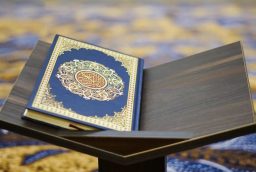
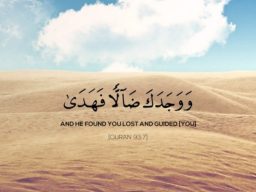
Islam: A Simple Introduction
Welcoming All Hearts to Understanding and Unity
الْحَمْدُ لِلَّهِ رَبِّ الْعَالَمِينَ وَ الصَّلٰوۃ وَالسَّلَامُ علٰی رَحْمَةً لِلْعَالَمِينَ۔ امّابعد
Allah swt says in the Holy Quran:
يَـٰٓأَيُّهَا ٱلنَّاسُ إِنَّا خَلَقْنَـٰكُم مِّن ذَكَرٍ وَأُنثَىٰ وَجَعَلْنَـٰكُمْ شُعُوبًا وَقَبَآئِلَ لِتَعَارَفُوا۟ ۚ إِنَّ أَكْرَمَكُمْ عِندَ ٱللَّهِ أَتْقَىٰكُمْ ۚ إِنَّ ٱللَّهَ عَلِيمٌ خَبِيرٌ
O mankind! We created you from a single (pair) of a male and a female, and made you into nations and tribes so that you may ˹get to˺ know each another. Surely the most noble of you in the sight of Allah is the most righteous among you. Allah is truly All-Knowing, All-Aware.” (49:13)
Today’s sermon is a simple and basic introduction to Islam. Whether you are a lifelong Muslim, a new Muslim, or someone interested in understanding this beautiful faith, let us revisit the foundations and reflect on its clarity, simplicity, and beauty.
Let us open our hearts to peaceful reflection upon a faith rooted in Fitrah— nature.
Islam is more than a set of rituals; it is a way of life that calls people of all backgrounds to peace, understanding, and compassion.
What is Islam?
The word Islam means submission—submission to Allah swt. It comes from the same root as Salam, which means Peace. Thus, Islam is a Path of Peace through submission to Allah swt. The purpose of life in Islam is to follow the final version of Divine Guidance (Qur’an and Sunnah). According to Islam, everlasting peace is not found in wealth, fame, or worldly status, but in living according to Allah’s guidance.
Tauheed: The Mission of all Prophets
The central mission of every prophet, from Prophet Adam to Prophet Muhammad ﷺ - was to call humanity towards Tauheed, the Oneness of Allah swt. They came to remind people of their Creator, to purify hearts, to perform Tazkiyah (purification of soul and mind), and to guide communities towards Piety.
Universal Message of Peace
Islam is not a new religion, but the continuation of the same message brought by Allah’s Prophets, from Adam, Noah, Abraham, Moses, and Jesus, to the final prophet Muhammad (peace be upon them all). It affirms the importance of living in accordance with the Divine Guidance. The message of Islam is timeless, calling every individual to faith, hope, and peace.
Balanced Way of Life
Islam invites every human being to a balanced life - where worship purifies the soul, charity softens the heart, and moral discipline strengthens the community.
- Prayer connects the believer to Allah.
- Fasting teaches patience and empathy.
- Charity purifies wealth.
- Hajj teaches Unity and Equality
- Piety creates a caring community
- Upright character builds a compassionate society.
Today, Islam is a Global Faith, practiced by people of every culture, united by the same core beliefs.
How to Become a Muslim
The door to Islam is open to everyone. The message of Islam is Universal, not limited to any nation, race, language or piece of land.
Islam begins with the Shahadah, the Declaration of Faith:
أشهد أن لا إله إلا الله وأشهد أن محمدًا رسول الله
Ashhadu an la ilaha illa Allah, wa ashhadu anna Muhammadur rasul Allah.
“I bear witness that there is none worthy of worship but Allah, and I bear witness that Muhammad is the Messenger of Allah.”
This declaration is open to all, regardless of their past.
Core Islamic Beliefs
- Belief in Allah
- Belief in His Angels
- Belief in His Books
- Belief in His Messengers
- Belief in the Last Day
- Belief in Divine Destiny (Qadar)
- Belief in Resurrection
The Five Pillars of Islam
Islam stands upon a foundation divinely designed to nourish the soul, discipline the mind, and illuminate the path of piety. These foundations are known as the Five Pillars of Islam, not merely as duties, but as gifts, each drawing the believer closer to their Creator.
1. Shahdah - Testimony of Faith
This testimony is more than words, it is a transformation of the heart. It frees us from the worship of worldly desires and anchors us to the worship of the One who created us. Testimony of Faith is not just spoken once, but lived daily.
2. Salah — The Five Daily Prayers
Prayer is the food for our soul . Five times a day we stand before our Lord, leaving behind the noise of the world to reconnect with the Lord of Universe. Prayer is a refuge, a constant reminder that we are never alone.
3. Zakah — The Purification of Wealth
Zakāh teaches us that wealth is a trust, not a possession. By giving from what we have, we purify our hearts from greed and our communities from poverty. It reminds us that true richness belongs not to bank accounts but to souls filled with compassion and generosity.
4. Saum — Fasting in the Month of Ramadan
Fasting is a school of self-discipline, patience, and gratitude. Through hunger, we learn compassion; through restraint, we discover strength. Ramadan renews the spirit, softens the heart, and opens the gates of mercy for those who seek it sincerely.
5. Hajj — Pilgrimage to the Sacred House
For those able, Hajj is a journey of humility and unity. Millions gathere as one - rich and poor, young and old - remind us of the equality of mankind before Allah. It is a remembrance of Prophet Ibrahim’s devotion, a symbol of submission, and a glimpse of the Day when all of humanity will stand before their Lord.
Message behind every act of worhsip
Islamic acts of worship are not empty rituals; they are purposeful practices designed to provide Tarbiyah in good character, righteous behaviour, and moral discipline. Both the Qur’an and the Sunnah show that every major act of worship aims to purify the heart and improve our social behaviour.
The Beauty of Character
The Prophet Muhammad ﷺ said:
إِنَّمَا بُعِثْتُ لِأُتَمِّمَ مَكَارِمَ الْأَخْلَاقِ
“I was only sent to perfect good character.”
Islam is not only rituals—it is a path to becoming one’s best self.
Balance in Islam
Allah says:
وَكَذَٰلِكَ جَعَلْنَاكُمْ أُمَّةً وَسَطًا
“Thus We have made you a balanced moderate community.” (2:143)
Islam teaches balance: body and soul, work and worship, family and society.
Compassion and Justice
Compassion and justice are core Islamic values. The Prophet (peace be upon him) said:
الراحمون يرحمهم الرحمن، ارحموا من في الأرض يرحمكم من في السماء.
The merciful are shown mercy by the Most Merciful. Be merciful to those on earth and the One above the heavens will have mercy upon you.” (Tirmidhi)
Justice and standing for truth is a sacred trust. Allah commands in the Quran:
يَـٰٓأَيُّهَا ٱلَّذِينَ ءَامَنُوا۟ كُونُوا۟ قَوَّٰمِينَ بِٱلْقِسْطِ شُهَدَآءَ لِلَّهِ وَلَوْ عَلَىٰٓ أَنفُسِكُمْ أَوِ ٱلْوَٰلِدَيْنِ وَٱلْأَقْرَبِينَ ۚ
O you who have believed, uphold justice, and bear witnesses for Allah, even if it be against yourselves or parents and relatives…” (Quran 4:135)
Islam teaches social responsibility, standing up for the oppressed, and serving the vulnerable.
Hope and Repentance
No matter one’s past—Allah’s mercy is greater.No one is beyond hope or forgiveness in Islam. Allah’s mercy is greater than all our faults. The Quran assures:
Allah swt says:
قُلْ يَـٰعِبَادِىَ ٱلَّذِينَ أَسْرَفُوا۟ عَلَىٰٓ أَنفُسِهِمْ لَا تَقْنَطُوا۟ مِن رَّحْمَةِ ٱللَّهِ ۚ إِنَّ ٱللَّهَ يَغْفِرُ ٱلذُّنُوبَ جَمِيعًا ۚ إِنَّهُۥ هُوَ ٱلْغَفُورُ ٱلرَّحِيمُ
Say, ˹O Prophet, that Allah says,˺ “O My servants who have exceeded the limits against their souls! Do not lose hope in Allah’s mercy, for Allah certainly forgives all sins. He is indeed the All-Forgiving, Most Merciful. (39:53)
Unity in Diversity
Islam unites people of every race, culture, and background. The Prophet ﷺ said in his Final Sermon:
يا أيها الناسُ! إنَّ ربَّكم واحدٌ، وإن أباكم واحدٌ، ألا لا فضلَ لعربيٍّ على عجميٍّ، ولا لعجميٍّ على عربيٍّ، ولا لأحمرَ على أسودَ، ولا لأسودَ على أحمرَ إلا بالتقوى
O mankind, your lord is one, your father is one (you are from Adam and Eve), remember that an Arab has no superiority over a non-Arab, nor does a non-Arab have any superiority over an Arab; a white has no superiority over a black, nor does a black have any superiority over a white; except by piety and good action.” (Final Sermon)
Islam unites hearts across nations, languages, and cultures.
The Prophet ﷺ said:
الْخَلْقُ عِيَالُ اللَّهِ فأحب الخلق إلى الله من أحسن إلى عياله
All creation is the family of Allah, and the most beloved to Allah is the one who is best to His family.”
Every Act of Goodness Is Charity
The Prophet ﷺ said:
كُلُّ مَعْرُوفٍ صَدَقَةٌ
“Every act of goodness is charity.” (Bukhari, Muslim)
In Islam even small acts become worship. A smile, a helping hand, a word of comfort, all are valuable. Islam encourages goodness, whether it is feeding the hungry, caring for the environment, or simply spreading peace.
Islamic Culture and values
Dawah
Promoting Goodness and forbiding evil
Choices and limitations
Halal and Haram
The concept of right and wrong
Halal and legitimite earnings
Do's and Dont's in Islam
Etiquettes and Manners (Adabe-Zindagi)
Obligation of Seeking knowledge
Manners of Social life
Economics and Finances
Islamic environmental ethics
Cleanliness: personal and environment
Balance between faith and worldly life
Purification of soul and mind (Tazkia-Nafs)
Modesty
Outlook and lifestyle
Caring for others
Character building
Rights and Obligations in Islam
Rights of Allah and His Prophet ﷺ
Rights of People
Rights of Ummah and Muslims
Rights of Parents
Rights of Spouse
Rights of children
Rights of Neighbours
Rights of Friends and colleagues
Rights of animals and other creatures
Conclusion
Let us remember the simplicity and beauty of Islam.
Let us strive to pray with devotion, act with kindness, and continue learning and embodying this noble faith.
Let us treat others with kindness, hold fast to our prayers, and continue learning and teaching the beautiful message of Islam.
May Allah fill our hearts with the beauty of faith, bless us with the light of understanding, and make us among those who embody the teachings of Islam with sincerity, compassion, and humility.
May Allah guide us to His straight path and keep us steadfast in faith. Ameen.
Dua
Let’s Pray
O, Allah, send Your peace and blessings upon our Prophet Muhammad ﷺ, his noble family and companions.
O Allah, keep our hearts firm on Your faith and make us among those who hear the word and follow the best of it. Ameen.
اهْدِنَا الصِّرَاطَ الْمُسْتَقِيمَ
(O, Allah) Guide us to the straight path.
رَبَّنَا لَا تُزِغْ قُلُوبَنَا بَعْدَ إِذْ هَدَيْتَنَا وَهَبْ لَنَا مِن لَّدُنكَ رَحْمَةً ۚ إِنَّكَ أَنتَ الْوَهَّابُ
Our Lord, do not let our hearts deviate after You have guided us, and grant us mercy from Yourself. Truly, You are the Bestower.”
يَا مُقَلِّبَ الْقُلُوبِ ثَبِّتْ قَلْوبنا عَلَى دِينِكَ
O Turner of the hearts, keep our hearts firm upon Your Deen.
يَا مُصَرِّفَ القُلُوبِ صَرِّفْ قُلُوبَنَا عَلَى طَاعَتِكَ
“O Controller of the hearts, direct our hearts towards Your obedience.”
اللَّهُمَّ اجْعَلْ فِي قَلْوبنا نُورًا، وَفِي ابَصَارنا نُورًا، وَفِي اسَمْاعنا نُورًا
O Allah, place Noor (divine light) in our hearts, in our sights, and in our hearings.
O Allah, purify our hearts, refine our souls, and forgive everyone of us.
O Allah, unite our hearts, increase our compassion, and guide us to live with wisdom and sincerity.
O Allah, help us to be among those who honour their neighbours, serve their society, and worship You with devotion.
O Allah, purify our hearts from arrogance and hatred, and fill them with humility and compassion.
O Allah, help us follow the example of Your beloved Prophet Muhammad ﷺ, who was sent as a mercy to all creation.
O Allah, bless our families with love and understanding, and our society with unity and peace.
O Allah, honour us with the intercession of Prophet Muhammad ﷺ, fill our hearts with his love, and grant us the blessing of being in his company in the hereafter.
رَبَّنَا آتِنَا فِي الدُّنْيَا حَسَنَةً وَفِي الْآخِرَةِ حَسَنَةً وَقِنَا عَذَابَ النَّارِ
Our Lord, grant us good in this world and good in the Hereafter and save us from the torment of the Fire.
I conclude my sermon with the verse from the Qur'an:
اِنَّ اللّـٰهَ يَاْمُرُ بِالْعَدْلِ وَالْاِحْسَانِ وَاِيْتَـآءِ ذِى الْقُرْبٰى وَيَنْـهٰى عَنِ الْفَحْشَآءِ وَالْمُنْكَرِ وَالْبَغْىِ ۚ يَعِظُكُمْ لَعَلَّكُمْ تَذَكَّرُوْنَ
Indeed, Allah commands justice, grace, as well as generosity to close relatives. He forbids indecency, bad conduct and aggression. He instructs you so perhaps you will be mindful. (Quran 16: 90)
أَقُولُ قَوْلِي هَذَا وَأَسْتَغْفِرُ اللَّهَ لِي وَلَكُمْ، فَاسْتَغْفِرُوهُ إِنَّهُ هُوَ الْغَفُورُ الرَّحِيمُ
وَآخِرُ دَعْوَانَا أَنِ الْحَمْدُ لِلَّهِ رَبِّ الْعَالَمِينَ
___________________________________________




Manners of using Social Media
Islamic Guidance regarding Digital Conduct
الْحَمْدُ لِلَّهِ رَبِّ الْعَالَمِينَ وَ الصَّلٰوۃ وَالسَّلَامُ علٰی رَحْمَةً لِلْعَالَمِينَ۔ امّابعد
Allah swt says in the Holy Quran:
مَا يَلْفِظُ مِنْ قَوْلٍ إِلَّا لَدَيْهِ رَقِيبٌ عَتِيدٌ
A person does not utter a single word except that with him is an observer ready to record.” (50:18)
Allah swt said in the Holy Qur'an:
وَلَا تَتَّبِعْ سَبِيلَ الْمُفْسِدِينَ
And do not follow the way of those who spread Fasa'd (mischief). (7:142)
The Prophet ﷺ said:
مَنْ كَانَ يُؤْمِنُ بِاللّٰهِ وَالْيَوْمِ الآخِرِ فَلْيَقُلْ خَيْرًا أَوْ لِيَصْمُتْ
Whoever believes in Allah and the Last Day should speak good or remain silent.” (Bukhari & Muslim).
Blessing of Speech
Speech is one of the great gifts bestowed upon humanity. With it, we can guide or mislead, heal or hurt, offer praise or spread hatred. Through the tongue, a person can utter the Kalima Tayyiba, recite the Qur’an, engage in Zikr and send Durood Sharif, earning immense reward.
The Prophet ﷺ said:
إِنَّ الْعَبْدَ لَيَتَكَلَّمُ بِالْكَلِمَةِ مِنْ رِضْوَانِ اللَّهِ لاَ يُلْقِي لَهَا بَالاً، يَرْفَعُ اللَّهُ بِهَا دَرَجَاتٍ، وَإِنَّ الْعَبْدَ لَيَتَكَلَّمُ بِالْكَلِمَةِ مِنْ سَخَطِ اللَّهِ لاَ يُلْقِي لَهَا بَالاً يَهْوِي بِهَا فِي جَهَنَّمَ
A person may utter a word which pleases Allah without giving it much importance, and because of that Allah will raise him to degrees (of reward): a person may utter a word (carelessly) which displeases Allah without thinking of its gravity and because of that he will be thrown into the Hell-Fire. (Bukhari)
In our time, speech has extended beyond our tongues — it now flows through our fingertips onto screens and devices, reaching millions through social media. In the age of digital communication, our words travel far and wide, transcending physical boundaries and reaching hearts and minds across the globe. The impact of our words, whether spoken or typed, should be carefully considered in every context, including social media. Therfore, every person must guard their online words just as they guard their spoken ones.
Using Social Media Wisely
Social media is a powerful tool. Its potential for good or harm lies in how we choose to use it. The wise believer uses these platforms to:
- Maintain family ties and friendships
- Positive Global Social Interactions
- Spread beneficial knowledge
- Encourage kindness and justice
- Support truth and upright causes
The Qur’anic Command on Speech
Allah instructs in the Noble Qur’an:
يَا أَيُّهَا الَّذِينَ آمَنُوا اتَّقُوا اللَّهَ وَقُولُوا قَوْلًا سَدِيدًا
“O you who believe! Be conscious of Allah and speak words of appropriate justice.” (Surah Al-Ahzab, 33:70)
This divine command reminds us that our speech — whether uttered aloud or shared online — must be just, truthful, and mindful of Allah. In the digital realm, every comment, post, or message can be either a means of benefit or harm.
Our speech onto social media platforms demands the same restraint and thoughtfulness that Islam calls for in everyday conversation.
Allah swt said in the Holy Qur'an:
وَلَا تَبْغِ ٱلْفَسَادَ فِى ٱلْأَرْضِ ۖ إِنَّ ٱللَّهَ لَا يُحِبُّ ٱلْمُفْسِدِينَ
Do not cause to spread mischief in the land, for Allah certainly does not like those who spread fas'ad (chaos). (28:77)
This verse is a reminder that a believer should avoid spreading any form of fasād (corruption, harm, mischief, or chaos) in society. Classical scholars explain fasād as including:
spreading misinformation
causing conflict between people
harming others’ rights or dignity
promoting immoral behavior
disturbing social peace
Although the verse is timeless, it applies very strongly to the digital world we live in today.
Parents responsibility
Parents should actively guide their children in using technology responsibly. When our youth are nurtured with this awareness, they learn to benefit from the digital world while avoiding its dangers.
Digital Taqwa: Consciousness of Allah Online
Good manners and responsible behaviour stem from taqwa — the ever-present awareness that Allah is watching us. Whether we speak face to face or interact through screens, nothing escapes His knowledge. Allah says:
يَعْلَمُ خَائِنَةَ الْأَعْيُنِ وَمَا تُخْفِي الصُّدُورُ
“He knows that which deceives the eyes and what the hearts conceal.” (Surah Ghafir, 40:19)
The believer is mindful to avoid indecency and falsehood, guarding not only their tongue but also their online presence. The Prophet ﷺ would often pray:
اللَّهُمَّ إِنِّي أَسْأَلُكَ الْهُدَى وَالتُّقَى وَالْعَفَافَ وَالْغِنَى
“O Allah, I ask You for guidance, piety, chastity, and self-sufficiency.” (Muslim)
Don’t Follow Every Trend
In a world where trends change every day, remember that not everything popular is pleasing to Allah. Many trends pull hearts toward showing off, wasting time, or normalizing what displeases Him.
Allah ﷻ reminds us clearly:
وَلَا تَتَّبِعْ سَبِيلَ الْمُفْسِدِينَ
And do not follow the way of those who spread corruption. (7:142)
Not every path is worth walking, and not every trend is worth following. As Muslims, our dignity comes from choosing what is pure, beneficial, and guided by Qur’an and Sunnah — even if it goes against what’s “popular.” Choose principles over popularity.
Avoiding What Does Not Concern Us
Part of piety is to avoid pointless involvement in matters that do not concern us. The Messenger ﷺ teaches:
مِنْ حُسْنِ إِسْلَامِ الْمَرْءِ تَرْكُهُ مَا لَا يَعْنِيهِ
“Part of a person’s excellence in Islam is leaving that which does not concern him.” (Tirmidhi)
Social media can tempt us to comment, share, or criticise matters outside our scope. However, a wise believer restrains their words, mindful of how each post and comment is recorded in their Book of Deeds. Allah reminds us:
وَنَكْتُبُ مَا قَدَّمُوا وَآثَارَهُمْ وَكُلَّ شَيْءٍ أَحْصَيْنَاهُ فِي إِمَامٍ مُبِينٍ
“Indeed, it is We who give life to the dead and record what they have put forth and what they left behind, and all things We have enumerated in a clear record.” (Surah Yaseen, 36:12)
As the poet wisely said: “Every writer leaves behind his writing — even after his hand has turned to dust. So write only what you wish to see displayed on the Day of Judgment.”
Before pressing “post” "publish" or “share”, let us pause and ask: Is this pleasing to Allah? Would I be proud of this before my Creator?
The Importance of Verification
One of the greatest harms of social media is the rapid spread of misinformation and rumours. Allah commands us:
يَا أَيُّهَا الَّذِينَ آمَنُوا إِن جَاءَكُمْ فَاسِقٌ بِنَبَإٍ فَتَبَيَّنُوا أَن تُصِيبُوا قَوْمًا بِجَهَالَةٍ فَتُصْبِحُوا عَلَىٰ مَا فَعَلْتُمْ نَادِمِينَ
“O you who believe! If a wicked person comes to you with any news, verify it, lest you harm people in ignorance and afterwards you become regretful for what you have done.” (Qur’an 49:6).
The Prophet ﷺ also cautioned:
كَفَى بِالْمَرْءِ كَذِبًا أَنْ يُحَدِّثَ بِكُلِّ مَا سَمِعَ
“It is enough of a lie for a person to shares everything he hears.” (Muslim)
We must not forward messages or share posts without verifying their authenticity, especially when it concerns others’ reputation or sensitive matters. We should not become part of a propaganda war. We must verify before sharing information, confirm before commenting, and reflect deeply before reacting. This discipline safeguards us from spreading falsehoods or causing harm.
Guarding Against Mockery
The anonymity and distance of the internet can sometimes bring out the worst in people. Islam strictly forbids backbiting, slander, and mocking others. Allah says:
يَا أَيُّهَا الَّذِينَ آمَنُوا لَا يَسْخَرْ قَوْمٌ مِّن قَوْمٍ عَسَىٰ أَن يَكُونُوا خَيْرًا مِّنْهُمْ وَلَا نِسَاءٌ مِّن نِّسَاءٍ عَسَىٰ أَن يَكُنَّ خَيْرًا مِّنْهُنَّ ۖ وَلَا تَلْمِزُوا أَنفُسَكُمْ وَلَا تَنَابَزُوا بِالْأَلْقَابِ ۖ بِئْسَ الِاسْمُ الْفُسُوقُ بَعْدَ الْإِيمَانِ ۚ وَمَن لَّمْ يَتُبْ فَأُولَٰئِكَ هُمُ الظَّالِمُونَ
O believers! Do not let some ridicule others, they may be better than them۔۔۔۔۔۔. Do not defame one another, nor call each other by offensive nicknames. How evil it is to act rebelliously after having faith! And whoever does not repent, it is they who are the ˹true˺ wrongdoers. (Qur’an 49:11).
We must refrain from sharing memes, comments, or posts that ridicule, insult, or expose the faults of others. What is haram (forbidden) in person is also haram online.
The Prophet said:
الْمُسْلِمُ مَنْ سَلِمَ النَّاسُ مِنْ لِسَانِهِ وَيَدِهِ
A Muslim is the one from whose hands and tongue others people feel safe. (Bukhari & Muslim)
Maintaining Privacy
Islam teaches us to respect privacy and private life of others.
The Prophet ﷺ promised:
Whoever conceals the faults of his brother, Allah will conceal his faults in this world and the Hereafter. (Muslim)
We must not share private conversations, images, or videos without consent, nor should we expose the shortcomings of others.
Spreading Goodness and Positivity
Social media can be a powerful tool for spreading goodness and positive messages.
The Prophet ﷺ said:
مَنْ دَلَّ عَلَى خَيْرٍ فَلَهُ مِثْلُ أَجْرِ فَاعِلِهِ
Whoever guides someone to goodness will have a reward like one who did it.” (Muslim).
Let us use these platforms to share beneficial knowledge, reminders regarding Qur'an and Hadith and messages that unite and uplift, rather than divide and harm.
Let us also remember to make dua (supplication) for others, offer words of comfort, and be a source of support and kindness in the digital world, just as we strive to be in the real world.
Preserving Faith, Time, and Good Manners
The Messenger of Allah ﷺ said:
إِنَّ مِنْ أَحَبِّكُمْ إِلَيَّ وَأَقْرَبِكُمْ مِنِّي مَجْلِسًا يَوْمَ الْقِيَامَةِ أَحَاسِنَكُمْ أَخْلَاقًا
“The dearest and nearest of you to me on the Day of Resurrection will be those who are best in character.” (Tirmidhi)
True nearness to the Prophet ﷺ is achieved by embodying noble character, both offline and online. Our conduct on social media should reflect the virtues of patience, kindness, and integrity taught by our faith. The Messenger ﷺ further advised:
اتَّقِ اللَّهِ حَيْثُمَا كُنْتَ، وَأَتْبِعِ السَّيِّئَةَ الْحَسَنَةَ تَمْحُهَا، وَخَالِقِ النَّاسَ بِخُلُقٍ حَسَنٍ
“Be mindful of Allah wherever you are, follow a bad deed with a good one and it will erase it, and treat people with the best of character.” (Tirmidhi)
Let us thank Allah for the gift of communication and use it only in ways that earn His pleasure. Let us safeguard our time, our faith, and the purity of our hearts. Let us uphold the manners of Islam in both private and public spheres, in speech and in our posts.
Conclusion
The Prophet (peace be upon him) said:
نعمتان مغبون فیھما کثیرا من الناس: الصّحتہ والفراغ
There are two blessings which many people lose: (They are) Health and free time for doing good.” (Bukhari).
Let us use our time online wisely, setting limits and priorities, and ensuring that our engagement does not interfere with our prayers, studies, or relationships. Our time is precious and should not be wasted scrolling through trivial or harmful content. Our online activity must not distract us from our obligations — to Allah, our families, and our work.
Many have earned honour and reward through mindful digital behaviour, while others have faced regret and humiliation due to careless posts or comments. Let us use these platforms to share goodness, kindness, and Islamic values, reflecting the noble character of our Faith and our Community.
Let us be conscious of Allah in our online presence, remembering that everything we post is a testimony for or against us. Let us use the blessings of technology to draw nearer to Allah, to spread Da'wah work, educate community, serve humanity, and to build bridges of understanding and compassion.
May Allah guide us to use social media in ways that please Him, protect us from its harms, and make us ambassadors of good character and manners both online and offline. Ameen.
Dua
Let's pray
O, Allah, send Your peace and blessings upon our Prophet Muhammad ﷺ, his noble family and companions.
O Allah, guide us to use our tongues, our hands, and our devices in ways that bring Your mercy, not Your displeasure.
اللَّهُمَّ اهْدِنَا لِأَحْسَنِ الأَخْلَاقِ، لَا يَهْدِي لِأَحْسَنِهَا إِلَّا أَنْتَ، وَاصْرِفْ عَنَّا سَيِّئَهَا، لَا يَصْرِفُ عَنَّا سَيِّئَهَا إِلَّا أَنْتَ
O Allah, guide us to the best of manners—none can guide to them except You—and turn us away from bad manners, for none can turn them away except You.
اللَّهُمَّ كَمَا أَحْسَنْتَ خَلْقَنَا فَأَحْسِنْ خُلُقَنَا، وَزَيِّنَّا بِالْحِلْمِ وَالصَّبْرِ وَالتَّقْوَى
O Allah, just as You have made our outward form beautiful, beautify our inner character with patience, forbearance, and piety.
اللَّهُمَّ طَهِّرْ قُلُوبَنَا مِنَ النِّفَاقِ، وَأَعْمَالَنَا مِنَ الرِّيَاءِ، وَأَلْسِنَتَنَا مِنَ الْكَذِبِ، وَأَعْيُنَنَا مِنَ الْخِيَانَةِ
O Allah, purify our hearts from hypocrisy, our deeds from showing off, our tongues from falsehood, and our eyes from betrayal.
اللَّهُمَّ زَيِّنَّا بِحُسْنِ الأَخْلَاقِ، وَاجْعَلْنَا مِنْ أَهْلِ خُلُقِ نَبِيِّكَ مُحَمَّدٍ ﷺ، وَاحْشُرْنَا فِي زُمْرَتِهِ يَوْمَ الْقِيَامَةِ
O Allah, adorn us with noble character, make us among those who follow the manners of Your Prophet Muḥammad ﷺ, and gather us in his company on the Day of Judgment.
رَبَّنَا لَا تُزِغْ قُلُوبَنَا بَعْدَ إِذْ هَدَيْتَنَا، وَهَبْ لَنَا مِنْ لَدُنْكَ رَحْمَةً، إِنَّكَ أَنْتَ الْوَهَّابُ
Our Lord, do not let our hearts deviate after You have guided us, and grant us from Yourself mercy — indeed, You are the Bestower.
O Allah, purify our hearts, refine our souls, and forgive everyone of us.
O Allah, unite our hearts, increase our compassion, and guide us to live with wisdom and sincerity.
O Allah, help us to be among those who honour their neighbours, serve their society, and worship You with devotion.
O Allah, purify our hearts from arrogance and hatred, and fill them with humility and compassion.
O Allah, help us follow the example of Your beloved Prophet Muhammad ﷺ, who was sent as a mercy to all creation.
O Allah, bless our families with love and understanding, and our society with unity and peace.
O Allah, honour us with the intercession of Prophet Muhammad ﷺ, fill our hearts with his love, and grant us the blessing of being in his company in the hereafter.
رَبَّنَا آتِنَا فِي الدُّنْيَا حَسَنَةً وَفِي الْآخِرَةِ حَسَنَةً وَقِنَا عَذَابَ النَّارِ
Our Lord, grant us good in this world and good in the Hereafter and save us from the torment of the Fire.
I conclude my sermon with the verse from the Qur'an:
اِنَّ اللّـٰهَ يَاْمُرُ بِالْعَدْلِ وَالْاِحْسَانِ وَاِيْتَـآءِ ذِى الْقُرْبٰى وَيَنْـهٰى عَنِ الْفَحْشَآءِ وَالْمُنْكَرِ وَالْبَغْىِ ۚ يَعِظُكُمْ لَعَلَّكُمْ تَذَكَّرُوْنَ
Indeed, Allah commands justice, grace, as well as generosity to close relatives. He forbids indecency, bad conduct and aggression. He instructs you so perhaps you will be mindful. (Quran 16: 90)
أَقُولُ قَوْلِي هَذَا وَأَسْتَغْفِرُ اللَّهَ لِي وَلَكُمْ، فَاسْتَغْفِرُوهُ إِنَّهُ هُوَ الْغَفُورُ الرَّحِيمُ
وَآخِرُ دَعْوَانَا أَنِ الْحَمْدُ لِلَّهِ رَبِّ الْعَالَمِينَ
____________________________________

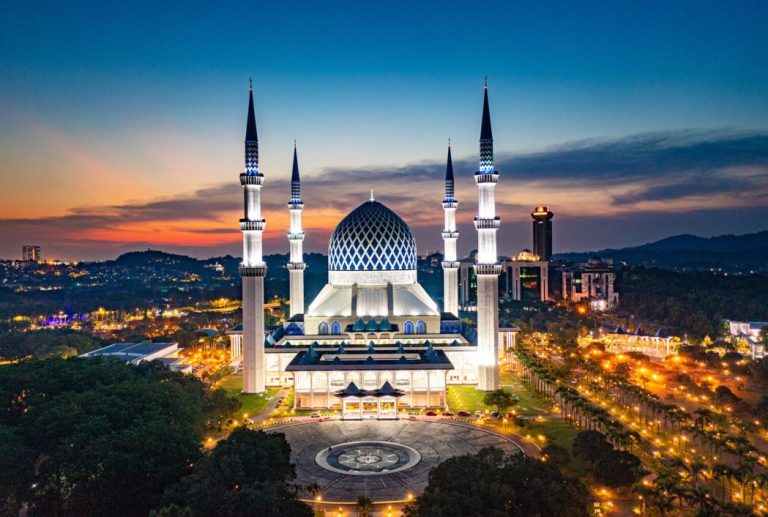
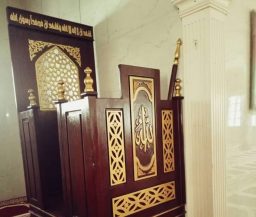
Etiquettes of the Masjid
A Guide to attend the House of Allah
الْحَمْدُ لِلَّهِ رَبِّ الْعَالَمِينَ وَ الصَّلٰوۃ وَالسَّلَامُ علٰی رَحْمَةً لِلْعَالَمِينَ۔ امّابعد
Allah swt says in the Holy Quran:
إِنَّمَا يَعْمُرُ مَسَاجِدَ اللَّهِ مَنْ آمَنَ بِاللَّهِ وَالْيَوْمِ الْآخِرِ
Allah’s mosques are to be visited by those who believe in Allah and the Last Day… [Qur'an: 9:18]
Allah swt says in the Glourious Quran:
وَمَنْ يُعَظِّمْ شَعَائِرَ اللَّهِ فَإِنَّهَا مِنْ تَقْوَى الْقُلُوبِ
Whoever esteems the sacred symbols of Allah— that is from the piety of the hearts. [Qur'an: 22:32]
Today, I wish to reflect upon the manners of attending the masjid.
Masjid: A Sacred Sanctury
Masjid is the heartbeat of the Muslim community. It is a place where prayers are offered, verses of Qur’an are recited, sermons are delivered, remembrance of Allah is echoed. souls are nourished, bodies are revitalised, hearts are united, goodness flourishes, mercy descends and supplications are answered. Attending the masjid is a sign of Iman (Faith) and serving the masjid is the Sunnah of Prophets.
A masjid is far more than a structure of walls and pillars — it is the House of Allah ﷻ, a place purified for His worship, remembrance, and obedience. Within its walls, hearts find peace, sins are forgiven, and souls are nourished with faith.
The Prophet ﷺ said:
أَحَبُّ الْبِلَادِ إِلَى اللَّهِ مَسَاجِدُهَا
“The most beloved of places to Allah are the mosques.” (Muslim)
Masjid is a sanctuary of spiritual growth, reflection, and unity — a sacred refuge where the bonds of brotherhood and sisterhood are strengthened. Therefore, our behaviour should reflect humility and gratitude for the privilege of entering Allah’s house. It is incumbent upon each of us to observe the proper etiquette when attending the masjid, ensuring our conduct reflects respect for this holy place and for those who share it with us. It is essential that we approach this sacred space with the utmost reverence and respect, mindful of the manners prescribed by our faith.
Physical and Spiritual Preparation
Allah swt also said:
خُذُوا زِينَتَكُمْ عِنْدَ كُلِّ مَسْجِدٍ
Make your appearance/outlook good when attend any masjid.
- Purification: Before heading to the masjid, ensure you are in a state of physical and spiritual cleanliness. In Islamic terminology this is called Ritual Purity. Perform wudu (ablution) diligently, wear clean, modest clothes, and avoid any offensive odours, such as strong perfumes or food smells. This practice is an outward sign of the inner respect we harbour for the house of Allah.
- Intention: Set a sincere intention (Ikhlas) for attending the masjid—whether it be for salah, seeking knowledge, or meeting fellow worshipers. Remember, every step taken towards the masjid is rewarded by Allah swt.
Conduct inside the Masjid
- Respectful Entry: Enter the masjid with your right foot, reciting the Dua for entering the Masjid: اَللّٰہُمَّ افْتَحْ لِیْ اَبْوَابَ رَحْمَتِکَ (O Allah, open for me the doors of Your mercy).
- Facing the Qiblah: Sit facing the Qiblah respectfully when waiting for prayer or reciting Qur’an.
- Performing Tahiyyatul Masjid: When entering (and before sitting), perform two rakaʿāt of Tahiyyatul Masjid (the prayer of greeting the mosque). This is highly recommended Sunnah.
- Listening and responding the Adhan.
- Listening the Friday Khutbah attentively
- Avoiding Passing in front of other People who are praying.
- Engage in remembrance of Allah and Qur’an recitation.
- Make duʿā between the adhan and iqamah — it is a time when supplications are accepted.
- Follow the Health and Safety instructions
- Follow the house keeping rules
- Taking Care of the Masjid: Treat the masjid as you would your own home—or better. Dispose of litter properly, leave shoes in designated areas, and help maintain the cleanliness and order of the space.
- Arranging Prayer Rows: Fill the front rows first and stand shoulder to shoulder with fellow worshippers, removing all barriers of division. Do not step over others or disturb those already engaged in prayer or recitation.
- Silence and Reflection: Be mindful of those praying or reciting Qur’an. Keep conversations brief and subdued; allow others to worship undisturbed. Avoid raising your voice, engaging in idle chatter, or any disruptive behaviour.
- Proper Attire: Dress modestly, covering the parts of the body as prescribed, and ensure your clothing is clean and presentable.
- Phones and Devices: Switch off or silence mobile phones and electronic devices. The masjid is a place for connection with Allah, not distractions from the outside world.
- Orderliness: Sit and stand in straight rows, filling gaps to maintain unity.
- Use facilities wisely: Keep the masjid clean. Dispose off rubbish appropriately and use the facilities with care, as they are entrusted to the community. Don’t leave personal items/belongings unattended.
- Take care of children: Masajid welcome children. If you bring children with you keep them close to you.
- Behaviour Towards Others: Greeting: Offer salaam to those you meet, fostering an atmosphere of kindness.
- Being Courteous: Be mindful of others’ space and needs, particularly the elderly, disabled, and families with children. Assist where possible and avoid actions that may inconvenience others.
- Mosque security: Be vigilant in the masjid and if you see any suspicious person in or around the masjid, report it to the management/office. For security reasons mosque can’t not remain open all the time. Please leave the masjid before closing times.
- Inclusivity: Welcome New Comers warmly, regardless of background or appearance. Do not become Judgemental about others. The masjid should be a place where all feel included and valued.
- Engaging in Worship: Focus your heart and mind on the purpose of your visit—worshipping Allah. Participate actively in prayers, recitation, and remembrance. Remember that every action within the masjid is magnified in its reward and impact.
- Leaving the Masjid: Dua Upon Exiting: Leave with your left foot, reciting the dua: اَللّٰہُمَّ اِنِّیْ اَسْئَلُکَ مِنْ فَضْلِکَ (O Allah, I ask You from Your bounty).
- Respectful Departure: Avoid rushing or disturbing others still engaged in worship. Leave the area clean and tidy.
- It is recommended to perform some part of prayer at home where possible.
The Masjid Beyond Prayer
The masjid is more than a place for salah; it is a centre for learning, charity, and community engagement. Attend lessons, participate in community events, and contribute to improve the masjid. Volunteer your time and resources to help sustain its vital role in the community.
Respect for Everyone
Masjid is a place of honor and respect for everyone. Show kindness to the elderly as you would to your own parents. Care for those younger than you as you would for your own children.Treat those of your age as your siblings. Show great respect towards Imams and Scholors.
The Prophet ﷺ said:
ليس منَّا مَنْ لم يُجِلَّ كبيرَنا ، ويرحمْ صغيرَنا ! ويَعْرِفْ لعالِمِنا حقَّهُ
He is not from my community (Ummah) who does not show respect to our elders and does not show compassion to our youngsters or does not recognise the right of our scholars. (Hadith)
Honouring the elderly is considered a source of blessings.
The Prophet ﷺ said:
مَا أَكْرَمَ شَابٌّ شَيْخًا لِسِنِّهِ إِلَّا قَيَّضَ اللَّهُ لَهُ مَنْ يُكْرِمُهُ عِنْدَ سِنِّهِ
A young person who gives respect to an elderly person due to their age, Allah appoints someone to show respect to him in their old age. (Tirmidhi)
In the masjid, no one should feel unwelcome. The child learning to pray deserves encouragement, not harshness. The elder who has spent years in worship deserves honor, not impatience. The new Muslim or the one returning to prayer deserves a smile, not judgment. So let us be people of mercy and respect — lowering our voices, keeping our hearts humble, and making our masjid a place where everyone feels loved and valued.
Do not become Selective in Greetings!
Sometimes in the masjid, we become selective in offering salam. We meet and greet only those we know — our friends, our relatives, or those from our own circles — and we pass by others without Salam. But this is not the teaching of our beloved Prophet ﷺ. The Messenger of Allah ﷺ said:
تَقْرَأُ السَّلَامَ عَلَى مَنْ عَرَفْتَ وَمَنْ لَمْ تَعْرِفْ
Offer Greetings to those you know and those you do not know. (Bukhair & Muslim)
Salam is not just a greeting; it is a prayer for peace, a bridge between hearts, and a means of strengthening brotherhood and sisterhood in our community. When we withhold salam, we create distance. But when we make the effort to greet everyone, we bring warmth, unity, and compassion. So let us revive this beautiful Sunnah. Greet one another sincerely because every salam brings reward and blessings, every handshake wipes away sins, and every smile strengthens the bonds of unity. The Prophet ﷺ said:
لَا تَحْقِرَنَّ مِنَ الْمَعْرُوفِ شَيْئًا، وَلَوْ أَنْ تَلْقَى أَخَاكَ بِوَجْهٍ طَلْقٍ
Do not belittle any good deed, even if it is meeting your brother with a smiling face. (Muslim 2626)
Conclusion
Let us remember: the masjid is a gift, a blessing, a beacon of light and guidance for the community. By observing its etiquettes, we honour Allah, strengthen our bonds, and inspire those around us.
Let us remember, that the etiquettes of the masjid are not mere formalities—they are expressions of our love and reverence for the Masjid, our respect for Allah’s house, and our care for the community.
May Allah grant us the understanding and discipline to honour these etiquettes, and may He bless us with acceptance of our attendance in the masjid. Ameen
Dua
Let us Pray
O, Allah, send Your peace and blessings upon our Prophet Muhammad ﷺ, his noble family and companions.
اللَّهُمَّ اجْعَلْ قُلُوبَنَا مُعَلَّقَةً بِمَسَاجِدِكَ وَارْزُقْنَا حُبَّهَا، اللَّهُمَّ اجْعَلْنَا مِنْ عُمَّارِ مَسَاجِدِكَ،
O Allah, make our hearts attached to Your masajid. Grant us love for them and the desire to visit them regularly.
اللَّهُمَّ اجْعَلْنَا مِمَّنْ يَدْخُلُونَ مَسَاجِدَكَ خَاشِعِينَ، وَيَخْرُجُونَ مِنْهَا مَغْفُورًا
O Allah, make us among those who enter Your masajid in humility and leave them forgiven and enveloped in Your mercy.
O Allah, purify our hearts, refine our souls, and forgive everyone of us
O Allah grant us the ability to serve our masjid with sincerity and devotion.
O Allah, make us among those who love Your houses, who observe their rights, and who find tranquillity and blessings within their walls.
O Allah, make our hearts attached to Your mosques, and grant us love for them and the desire to attend them regularly.
O Allah, unite our hearts, increase our compassion, and guide us to live with wisdom and sincerity.
O Allah, help us to be among those who honour their neighbours, serve their society, and worship You with devotion.
O Allah, purify our hearts from arrogance and hatred, and fill them with humility and compassion.
O Allah, help us follow the example of Your beloved Prophet Muhammad ﷺ, who was sent as a mercy to all creation.
O Allah, bless our families with love and understanding, and our society with unity and peace.
O Allah, honour us with the intercession of Prophet Muhammad ﷺ, fill our hearts with his love, and grant us the blessing of being in his company in the hereafter.
رَبَّنَا آتِنَا فِي الدُّنْيَا حَسَنَةً وَفِي الْآخِرَةِ حَسَنَةً وَقِنَا عَذَابَ النَّارِ
Our Lord, grant us good in this world and good in the Hereafter and save us from the torment of the Fire.
I conclude my sermon with the verse from the Qur'an:
اِنَّ اللّـٰهَ يَاْمُرُ بِالْعَدْلِ وَالْاِحْسَانِ وَاِيْتَـآءِ ذِى الْقُرْبٰى وَيَنْـهٰى عَنِ الْفَحْشَآءِ وَالْمُنْكَرِ وَالْبَغْىِ ۚ يَعِظُكُمْ لَعَلَّكُمْ تَذَكَّرُوْنَ
Indeed, Allah commands justice, grace, as well as generosity to close relatives. He forbids indecency, bad conduct and aggression. He instructs you so perhaps you will be mindful. (Quran 16: 90)
أَقُولُ قَوْلِي هَذَا وَأَسْتَغْفِرُ اللَّهَ لِي وَلَكُمْ، فَاسْتَغْفِرُوهُ إِنَّهُ هُوَ الْغَفُورُ الرَّحِيمُ
وَآخِرُ دَعْوَانَا أَنِ الْحَمْدُ لِلَّهِ رَبِّ الْعَالَمِينَ
______________________________________________________
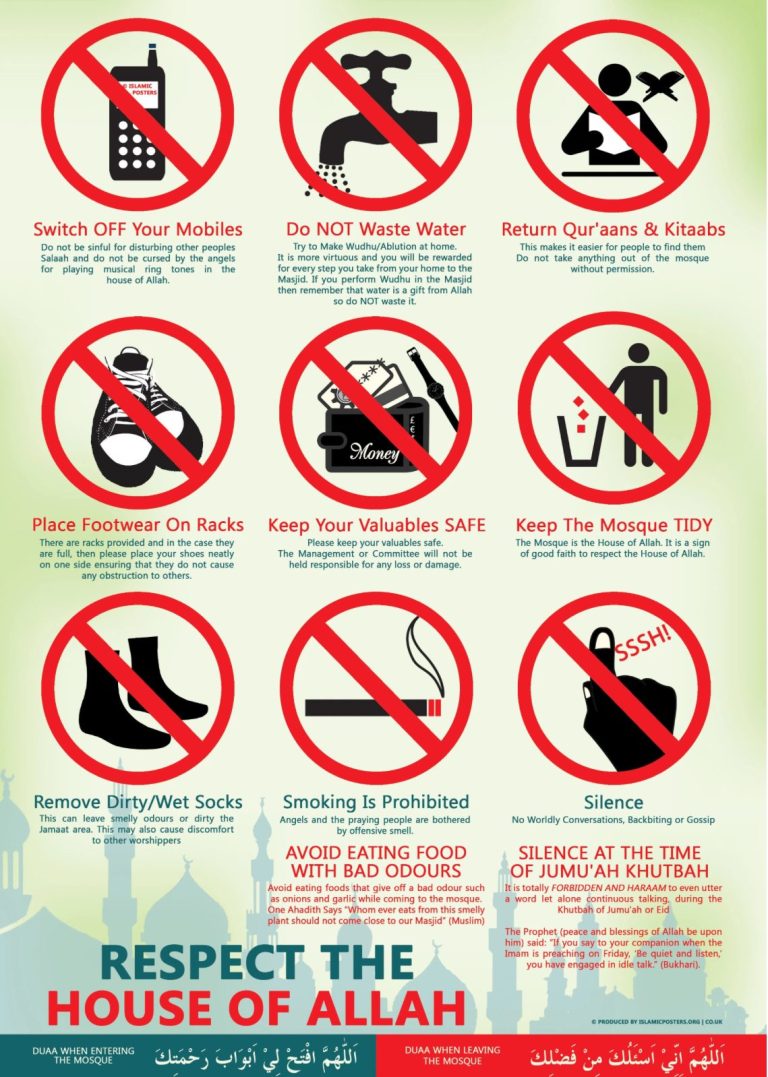


The Duties of an Imam
A Comprehensive Overview
الْحَمْدُ لِلَّهِ رَبِّ الْعَالَمِينَ وَ الصَّلٰوۃ وَالسَّلَامُ علٰی رَحْمَةً لِلْعَالَمِينَ۔ امّابعد
Allah ﷻ said in the Glorios Qu'ran:
اِنَّ اللّٰهَ یَاْمُرُكُمْ اَنْ تُؤَدُّوا الْاَمٰنٰتِ اِلٰۤى اَهْلِهَاۙ
Indeed, Allah commands you to deliver trusts to their rightful owners. (Quran: 4:58)
Allah swt said:
وَذَكِّرْ فَاِنَّ الـذِّكْرٰى تَنْفَعُ الْمُؤْمِنِيْنَ
And ˹continue to˺ remind. For certainly reminders benefit the believers. (Qur'an:51:55)
The Prophet ﷺ said:
الإِمَامُ رَاعٍ ومسئولٌ عَنْ رَعِيَّتِهِ
The Imam is a Shepherd (Guardian) and responsible for his flock (Community). (Bukhari and Muslim)
An Imam holds a significant and respected position in the Muslim community, serving as a spiritual leader, guide, and first point of contact in any religious matter. The Imam’s responsibility extends beyond the masjid walls.This title is not merely a symbol of leading the prayer but represents leadership, responsibility, and service to the community.
The Prophet ﷺ said:
إِنَّمَا جُعِلَ الإِمَامُ لِيُؤْتَمَّ بِهِ
“The Imam is appointed to be followed...” (Bukhari and Muslim)
The role of an Imam is unique, multifaceted and deeply integral to the spiritual and social fabric of the Muslim community. It is a highly skilled job. There is no calculator available to measure the precise work Imams do. If an Imam is honest with his profession, then his full-time role is a 24/7 job. He may be physically not in the masjid but emotionally, mentally and spiritually remains attached with his masjid.
Below is a comprehensive overview of the various duties of an Imam.
Leading Prayers
The primary duty of an Imam is to lead the daily prayers in the mosque. This includes the Jumu'ah (Friday) prayer, which is a significant weekly gathering for Muslims. The Imam must possess a thorough understanding of Islamic Faith.
Delivering Sermons
An Imam is responsible for delivering the Friday Sermon. This sermon provides religious guidance, addresses contemporary issues, and acts as a means to educate and inspire the congregation. The content is often rooted in Islamic teachings but also touches upon social, ethical, and moral issues.
Diplomatic Skills
An Imam should possess good diplomatic skills. He should deliver his duties with wisdom (Hikmah) knowing when to speak, how to speak, and what to say. The Qur’an says:
ٱدْعُ إِلَىٰ سَبِيلِ رَبِّكَ بِٱلْحِكْمَةِ وَٱلْمَوْعِظَةِ ٱلْحَسَنَةِ ۖ وَجَـٰدِلْهُم بِٱلَّتِى هِىَ أَحْسَنُ
Invite ˹all˺ to the Way of your Lord with wisdom and kind advice, and only debate with them in the best manner. (16:125)
The imam will face criticism, differences, and challenges. A diplomatic leader does not react with anger but responds with calmness and sincerity. The imam must be approachable, able to listen, and skilled in expressing the truth with kindness. An imam must build unity in the community and wider society. Differences of opinion are natural, but division is dangerous. The imam must mediate with love and justice, guiding people to the Qur’an and Sunnah.
In a world filled with misconceptions, Imam's displomatic conduct can be dawah itself. When he interacts with other faith leaders, communities, and institutions, he must represent his role with love, peace and wisdom. The Qur’an reminds us:
وَلَا تُجَـٰدِلُوٓا۟ أَهْلَ ٱلْكِتَـٰبِ إِلَّا بِٱلَّتِى هِىَ أَحْسَنُ
“And do not argue with the People of the Scripture except in a way that is best.” (29:46)
Through calm dialogue, honesty, and compassion, the imam becomes a bridge of understanding — showing that Islam promotes harmony and mutual respect.
Providing Religious Guidance
The community looks to the Imam for religious and spiritual guidance. This includes offering expert Islamic advice, interpreting Islamic teachings, answering religious questions, and providing support on personal and communal matters. The Imam often holds sessions for questions and answers to address concerns of the congregation or the individuals.
Spiritual Development
The Imam encourages the community to strengthen their relationship with Allah swt. through acts of worship, such as Salah, Dhikr (remembrance of Allah), and fasting. He motivates the community to engage in self-reflection, repentance, and continuous self-improvement, piety and righteousness.
Teaching and Education
An Imam often takes on the role of an educator, teaching the Quran, Hadith, Fiqh (Islamic practices), and other Islamic sciences. They may conduct classes for the community, ensuring that the community members both young and old maintains a deep and accurate understanding of their faith.
Community Leadership
Imam is a Symbol of Authority within Mslim culture. Beyond religious duties, an Imam is seen as a leader within the community. This involves mediating disputes, providing support in times of crisis, and fostering a sense of unity and cooperation among community members. The Imam often collaborates with other community leaders to address social issues and promote welfare of the society.
Social Services
Imams are often involved in various social services, such as counselling for marital issues, visiting hospital patients when required by the members of the congregation, providing support for the bereaved, and helping those in need especially pastoral support or other forms of community assistance.
Interfaith Activities
In many communities, the Imam engages in interfaith dialogue and activities. This is crucial for fostering understanding and cooperation between different faith communities including people with no faith. The Imam may participate in interfaith meetings, collaborate on social projects, and represent the Muslim community in broader social contexts.
Unity, cohesion and Integration
This is imam’s duty to create unity, love and compassion. A good Imam does not raise tensions between communities. He resolves issues with wisdom and positivity.
Community support
An Imam often has other duties within the mosque, including supporting members of the congregation in spiritual matters and issues. This ensures the smooth operation of the mosque and the effective delivery of its services to the community.
Promoting Ethical and Moral Values
The Imam plays a pivotal role in promoting ethical and moral values within the community. Through sermons, personal interactions, and community activities. The Imam encourages behaviours and attitudes that align with Islamic teachings, fostering a cohesive and morally upright society.
Continuous Learning and Development
To provide accurate and relevant guidance, an Imam must engage in continuous learning. This involves studying contemporary issues, staying updated with scholarly works, and possibly pursuing higher education in Islamic studies. This commitment to knowledge ensures that the Imam can address the evolving needs of the community.
Leading Special Prayers and Ceremonies
In addition to daily prayers, the Imam leads special prayers during Islamic festivals such as Eid al-Fitr and Eid al-Adha. They may also officiate at weddings, funerals, and other significant life events, providing religious rites and support during these times.
Engaging with Youth
The Imam often focuses on engaging with the youth, addressing their unique challenges and guiding them in their spiritual journey. This can involve one to one support, mentoring, and creating an environment where young Muslims feel connected to their faith and community.
Conflict resolution and arbitration
Imam has a role of mediation in the community, particularly those related to family matters, such as marriage, divorce, and pastoral care and spiritual wellbeing.
Public Speaking and Representation
As a public figure, the Imam often speaks at various events, both within and outside the Muslim community. They represent the community in public forums, media, and official meetings, advocating for the interests and rights of Muslims and promoting a positive image of Islam.
Encouraging Community Participation
The Imam encourages active participation of public in the mosque's activities. This includes volunteering, attending educational programs, and contributing to community welfare projects. By fostering a spirit of involvement, the Imam helps build a vibrant and dynamic community.
Qualities of a Good Imam
Knowledge: A good Imam holds a comprehensive knowledge of Islamic studies and Islamic sciences.
Compassionate: Imam holds a Kind, patient, and empathetic attitude towards everyone.
Approachable: A good Imam is always accessible and willing to listen to the concerns of community members.
Balanced: An Imam should be able to balance traditional Islamic teachings with modern challenges.
Humble: Imam demonstrates humility and avoids arrogance or self-importance.
Conclusion
In conclusion, the duties of an Imam are extensive and vital to the spiritual, educational, and social well-being of the Muslim community. By fulfilling these duties and showing the above character, an Imam plays a vital role in nurturing the spiritual, moral, and social well-being of the society.
An effective Imam balances these responsibilities with wisdom, compassion, and dedication, guiding their congregation towards a fulfilling and righteous life in accordance with the Islamic principles while keeping in mind the law of the land.
A good Imam promotes and speaks about: Unity, not division, Love, not hate, Benevolence, not greed, Inclusion, not exclusion, Peace, not war.
May Allah guide and support all Imams in their noble efforts. Ameen.
Dua
Let’s Pray
O, Allah, send Your peace and blessings upon our Prophet Muhammad ﷺ, his noble family and companions.
اللهم اجعلنا من الذين يستمعون القول فيتبعون أحسنه
O Allah, make us among those who listen to good advice and follow the best of it.
اللهم وفق أئمتنا للحق، واجعلهم هداة مهتدين، غير ضالين ولا مضلين
O Allah, guide our Imams to truth, make them rightly guided leaders who guide others rightly, not astray nor leading others astray.
اللهم اجعلنا من المصلين الخاشعين، واجعل صلاتنا سببًا لقربنا منك
O Allah, make us among those who pray with humility and make our prayers a means of closeness to You.
اللهم اجعل بيوت الله عامرة بالذكر، وبالقرآن، وبالعلم النافع، وبالعمل الصالح
O Allah, keep Your houses (the masajid) filled with remembrance, Qur’an, beneficial knowledge, and righteous deeds.
O, Allah, make us among those who are mindful of You, do acts of goodness and bring benefit to others.
O, Allah, accept our deeds, forgive our shortcomings, and make us among those who help others.
O Allah, unite our hearts, increase our compassion, and guide us to live with wisdom and sincerity.
O Allah, help us follow the example of Your beloved Prophet Muhammad ﷺ, who was sent as a mercy to all creation.
O Allah, bless our families with love and understanding, and our society with unity and peace.
O Allah, honour us with the intercession of Prophet Muhammad ﷺ, fill our hearts with his love, and grant us the blessing of being in his company in the hereafter.
رَبَّنَا آتِنَا فِي الدُّنْيَا حَسَنَةً وَفِي الْآخِرَةِ حَسَنَةً وَقِنَا عَذَابَ النَّارِ
Our Lord, grant us good in this world and good in the Hereafter and save us from the torment of the Fire.
I conclude my sermon with the verse from the Qur'an:
اِنَّ اللّـٰهَ يَاْمُرُ بِالْعَدْلِ وَالْاِحْسَانِ وَاِيْتَـآءِ ذِى الْقُرْبٰى وَيَنْـهٰى عَنِ الْفَحْشَآءِ وَالْمُنْكَرِ وَالْبَغْىِ ۚ يَعِظُكُمْ لَعَلَّكُمْ تَذَكَّرُوْنَ
Indeed, Allah commands justice, grace, as well as generosity to close relatives. He forbids indecency, bad conduct and aggression. He instructs you so perhaps you will be mindful. (Quran 16: 90)
أَقُولُ قَوْلِي هَذَا وَأَسْتَغْفِرُ اللَّهَ لِي وَلَكُمْ، فَاسْتَغْفِرُوهُ إِنَّهُ هُوَ الْغَفُورُ الرَّحِيمُ
وَآخِرُ دَعْوَانَا أَنِ الْحَمْدُ لِلَّهِ رَبِّ الْعَالَمِينَ
___________________________________________
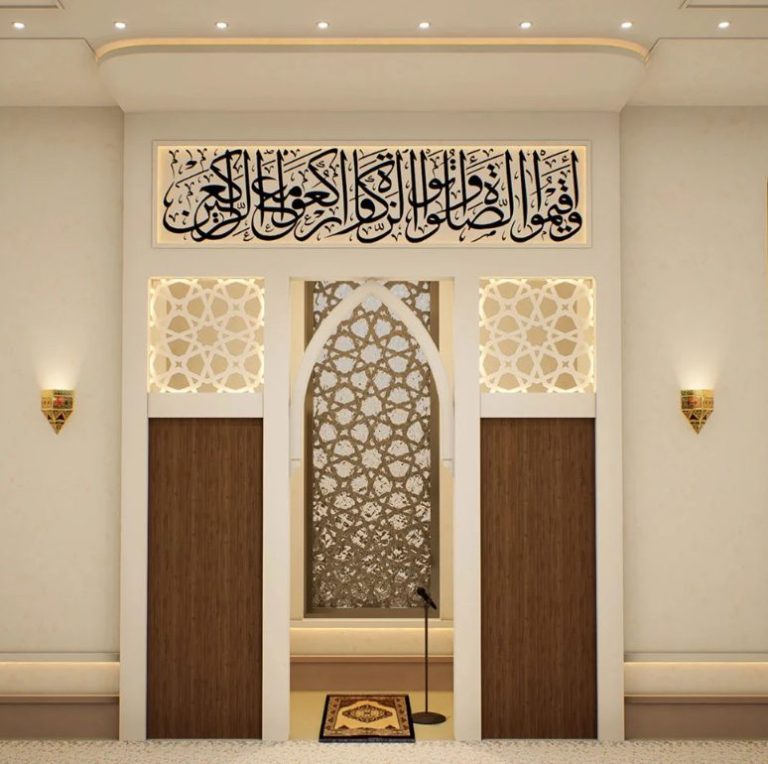




Voluntary Work:
An Islamic Perspective
A Sermon on the Virtue of Serving Others
الْحَمْدُ لِلَّهِ رَبِّ الْعَالَمِينَ وَ الصَّلٰوۃ وَالسَّلَامُ علٰی رَحْمَةً لِلْعَالَمِينَ۔ امّابعد
Allah ﷻ said in the Glorios Qu'ran:
وَمَنْ تَطَوَّعَ خَيْرًا فَإِنَّ اللَّهَ شَاكِرٌ عَلِيمٌ
And whoever does good voluntarily - then indeed, Allah is appreciative and aware. (2:158).
One of the beautiful features of Islam is that it inspires its followers to contribute positively to their communities — to serve others, uplift those in need, and bring benefit to society at large. This noble act is known voluntary or charitable work. This noble work has a great value is Islamic Faith.
The above verse of the Holy Qur’an is a Divine Encouragement regarding voluntary work. It affirms that every act of goodness, whether big or small, is recognised and valued by Allah, with the promise of reward and appreciation. Furthermore, in this verse Allah describes Himself as Sha’kir — appreciative — to those who engage in acts of goodness. Imagine, the Creator of the Heavens and the Earth being thankful to His servants for the good work they do! (SubhanAllah)
Allah says in the Holy Qur'an:
إِنَّ اللَّهَ مَعَ الَّذِينَ اتَّقَوْا وَالَّذِينَ هُمْ مُحْسِنُونَ
Indeed, Allah is with those who are mindful of Him and who are doers of good. [Qur'an: 16:128]
This verse from the Qur’an reminds us that Allah’s pleasure, protection and blessing are with those who combine Piety with Ihsan (excellence in doing good for others). This divine promise serves as a profound motivation for us to engage in acts of goodness while focusing on seeking Allah’s pleasure.
Allah swt said in the Qur’an:
وَأَحْسِن كَمَآ أَحْسَنَ ٱللَّهُ إِلَيْكَ
And be good ˹to others˺ as Allah has been good to you. (28:77)
Voluntary work stands as a noble pursuit in society, fostering bonds of compassion, service, and gratitude. From an Islamic viewpoint, the act of volunteering carries immense spiritual value, as it embodies the principles of selflessness and service towards others. The guidance from the Qur’an and the teachings of the Prophet Muhammad ﷺ illuminate the significance of voluntary work and its rewards, both in this life and the Hereafter.
Allah says in the Qur’an:
وَتَعَاوَنُوا۟ عَلَى ٱلْبِرِّ وَٱلتَّقْوَىٰ ۖ وَلَا تَعَاوَنُوا۟ عَلَى ٱلْإِثْمِ وَٱلْعُدْوَٰنِ
And cooperate in virtue and piety, but do not cooperate in sin and aggression. (Qur’an, 5:2)
This divine instruction urges us to work together for good causes, to help those in need, and to uplift our communities through collective and individual efforts.
The example from the Sunnah
The Prophet Muhammad ﷺ said:
خَيْرُ النَّاسِ مَنْ يَنْفَعُ النَّاسِ
The best people are those who are most beneficial to others. (Hadith)
Our Prophet ﷺ also said:
كُلُّ مَعروفٍ صَدَقةٌ
Every act of goodness is charity. (Muslim)
The above Ahadith encapsulate the essence of voluntary work: serving others selflessly and without expectation of worldly reward.
Our Prophet Muhammad ﷺ was the prime example of voluntary service. He would help the poor, support the weak, visit the sick, and care for orphans and vulnerables. During times of hardship, the Prophet ﷺ would rally the community to come together, share resources, and support one another. These actions laid the foundation for a society rooted in mutual aid and voluntary cooperation.
It was narrated by Ibn Abbas (may Allah be pleased with him) that the Prophet ﷺ once came across people fetching water for others. He encouraged them, saying:
اعْمَلُوا، فَإِنَّكُمْ عَلَى عَمَلٍ صَالِحٍ
Keep working, for you are engaged in good work. (Bukhari) He ﷺ then expressed his desire to join them but refrained out of concern that his participation might cause overcrowding.
This hadith illustrates how the Prophet ﷺ personally valued and encouraged voluntary service. This hadith highlights the virtue of voluntary acts and the importance of facilitating and appreciating them within the community.
The Spirit of Service Among the Companions
The Companions of the Prophet ﷺ embodied this spirit of selfless service. Each one of them sought to benefit others with whatever skills or resources they possessed. Some dedicated their time and wealth to the poor; others offered their knowledge or strength to aid the community. The women among the Sahaba (Sahabiyaat) played vital roles in healing and medicine, utilising their expertise for the welfare of others.
A Simple Act, a Great Reward
The Prophet ﷺ said:
"بَيْنَمَا رَجُلٌ يَمْشِي فِي طَرِيقٍ؛ إِذْ وَجَدَ غُصْنَ شَوْكٍ، فَأَخَّرَهُ، فَشَكَرَ اللَّهُ لَهُ، فَغَفَرَ لَهُ"
“Whilst a man was walking on the road, he found a thorny branch and removed it. Allah appreciated his action and forgave him.” (Bukhari and Muslim)
This Hadith illustrates that even the simplest acts of kindness are valued by Allah and can be a means of earning His mercy.
The value of Saving Lives and Serving others
One of the most profound deeds is saving lives, which Allah equates to saving all of mankind:
وَمَنْ أَحْيَاهَا فَكَأَنَّمَا أَحْيَا النَّاسَ جَمِيعًا
And whoever saves one [life] - it is as if he had saved the entire mankind. (Qur'an 5:32).
This Verse highlights the immense value placed upon acts of service. Those who work in healthcare, preserve life and alleviate suffering especially in most challenging and difficult circumstances are doing a unique good work. May Allah swt bless their efforts. Ameen
Don't miss opportunity
When opportunities for voluntary work arise, it is a blessing and a means to draw closer to Allah. Serving others is not merely a social responsibility but a spiritual privilege, leading to both worldly and eternal rewards.
The Social Impact of Voluntary Work
Voluntary work strengthens the bonds of brotherhood and sisterhood in our communities. It helps bridge gaps between people of different backgrounds and creates a sense of belonging and unity. Islam teaches that the welfare of the community is a shared responsibility. When we volunteer, we contribute to the well-being of all, ensuring that no one is left behind or neglected.
Furthermore, voluntary work instils important values such as humility, patience, empathy, and selflessness. It teaches us to put the needs of others before our own and to work for the common good. In a world often characterised by self-interest, these values shine as beacons of Islamic character and integrity.
Practical Ways to Engage in Voluntary Work
Voluntary work is not limited to charity alone; it includes every action that brings goodness and positive results — whether through knowledge, skills, or efforts. Those who possess skills or the ability to benefit others in any way should hasten to serve their communities in the spirit of sacrifice and compassion. Such actions are a pathway to earning the pleasure of Allah swt.
Let us be among those who serve mankind for the sake of Allah, seeking no worldly praise, but only His acceptance.
Let us teach our children and communities the value of giving, caring, and volunteering — for through such acts societies flourish, and hearts find peace.
If you have time for volountary work then offer your time and skills whenever opportunity arises. Always try to help your neighbours, particularly the elderly, the sick, or those facing difficulties.
Conclusion
Voluntary work is not merely a social service or optional extras; it is an act of worship (Ibadah). It is a privilege. It is an opportunity to draw nearer to Allah, to earn His mercy, and to benefit His creation.
Voluntary work is a powerful force for social cohesion. It reflects the beauty of faith in action. When individuals step forward to help others, communities become stronger, more resilient, and compassionate. Whoever finds doors to voluntary work opened before them should rejoice, for Allah has blessed them with an opportunity to be among the doers of good. Volunteers for the sake of Allah are likened to those in the first row of prayer, holding a distinguished status and closeness to Allah.
The Prophet ﷺ said:
وَاللَّهُ فِي عَوْنِ الْعَبْدِ مَا كَانَ الْعَبْدُ فِي عَوْنِ أَخِيهِ
Allah will continue to help His servant as long as His servant will keep helping others. (Muslim, 2699)
True faith manifests in giving — giving of our wealth, our time, our skills, and our compassion. Every act of service done for the sake of Allah brings us closer to Him and purifies our hearts
May Allah accept our efforts, grant us sincerity in our actions, and reward us abundantly in this life and the Hereafter. Ameen.
Dua
Let’s Pray
O, Allah, send Your peace and blessings upon our Prophet Muhammad ﷺ, his noble family and companions.
O, Allah, make us among those who are mindful of You, do acts of goodness and bring benefit to others.
O, Allah, accept our deeds, forgive our shortcomings, and make us among those who help others.
O Allah, unite our hearts, increase our compassion, and guide us to live with wisdom and sincerity.
O Allah, help us to be among those who honour their neighbours, serve their society, and worship You with devotion.
O Allah, help us follow the example of Your beloved Prophet Muhammad ﷺ, who was sent as a mercy to all creation.
O Allah, bless our families with love and understanding, and our society with unity and peace.
O Allah, honour us with the intercession of Prophet Muhammad ﷺ, fill our hearts with his love, and grant us the blessing of being in his company in the hereafter.
رَبَّنَا آتِنَا فِي الدُّنْيَا حَسَنَةً وَفِي الْآخِرَةِ حَسَنَةً وَقِنَا عَذَابَ النَّارِ
Our Lord, grant us good in this world and good in the Hereafter and save us from the torment of the Fire.
I conclude my sermon with the verse from the Qur'an:
اِنَّ اللّـٰهَ يَاْمُرُ بِالْعَدْلِ وَالْاِحْسَانِ وَاِيْتَـآءِ ذِى الْقُرْبٰى وَيَنْـهٰى عَنِ الْفَحْشَآءِ وَالْمُنْكَرِ وَالْبَغْىِ ۚ يَعِظُكُمْ لَعَلَّكُمْ تَذَكَّرُوْنَ
Indeed, Allah commands justice, grace, as well as generosity to close relatives. He forbids indecency, bad conduct and aggression. He instructs you so perhaps you will be mindful. (Quran 16: 90)
أَقُولُ قَوْلِي هَذَا وَأَسْتَغْفِرُ اللَّهَ لِي وَلَكُمْ، فَاسْتَغْفِرُوهُ إِنَّهُ هُوَ الْغَفُورُ الرَّحِيمُ
وَآخِرُ دَعْوَانَا أَنِ الْحَمْدُ لِلَّهِ رَبِّ الْعَالَمِينَ
__________________________________________________
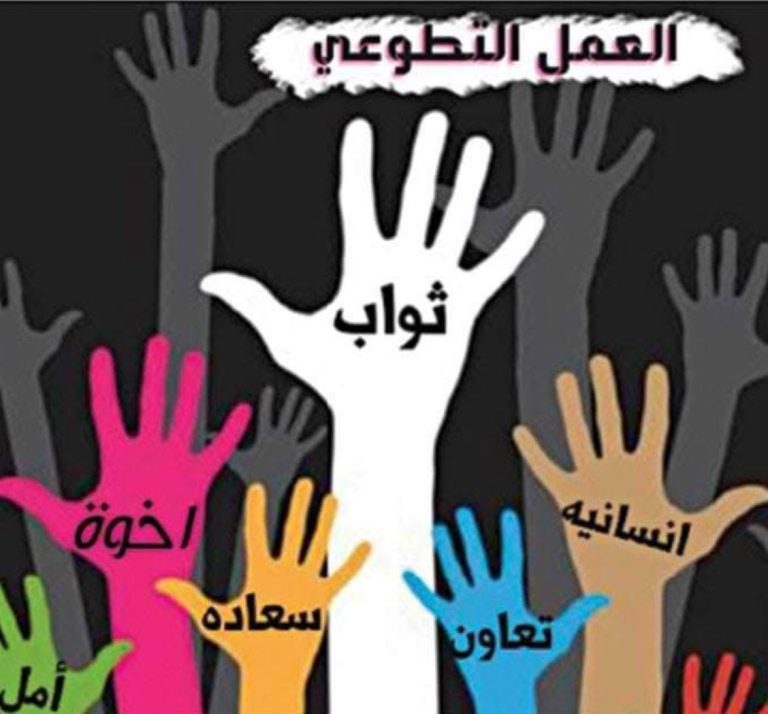




Culture of Respect in the Society
A Sermon on Treating Others with Dignity
الْحَمْدُ لِلَّهِ رَبِّ الْعَالَمِينَ وَ الصَّلٰوۃ وَالسَّلَامُ علٰی رَحْمَةً لِلْعَالَمِينَ۔ امّابعد
Allah swt said in the Holy Qur'an:
خُذِ الْعَفْوَ وَأْمُرْ بِالْعُرْفِ وَأَعْرِضْ عَنِ الْجَاهِلِينَ
Be gracious, enjoin what is good, and ignore those who act ignorantly. (Qur’an 7:199)
This verse of the Holy Qur’an teaches us self-control, compassion, and wisdom regarding our social life.
Today's sermon is on the importance of mutual respect. In a world often divided by differences, Islam provides us with the guidance on how to live harmoniously, valuing the dignity and rights of every individual in the society. Mutual respect amongst all members of the soceity is the cornerstone for building meaningful and enduring social interactions.
A culture of respect is the basis of positive communication and interaction amongst members of the society, serving as a pillar for societal cohesion and progress. Societies that have fostered respect have experienced unity, prosperity, and peace.
The Holy Qur’an and the teachings of our beloved Prophet ﷺ are overflowing with wisdom on this matter.
Respect: Foundation of Peace
A society that is built upon mutual respect becomes a society of peace and harmony. When we respect one another, we avoid hatred, arrogance, and conflict. We see each other as brothers and sisters in humanity, and as servants of the same Creator.
Mutual Respect: A Divine Command
Allah swt emphasises mutual respect and dignity in the Qur'an:
يَـٰٓأَيُّهَا ٱلنَّاسُ إِنَّا خَلَقْنَـٰكُم مِّن ذَكَرٍۢ وَأُنثَىٰ وَجَعَلْنَـٰكُمْ شُعُوبًۭا وَقَبَآئِلَ لِتَعَارَفُوٓا۟ ۚ إِنَّ أَكْرَمَكُمْ عِندَ ٱللَّهِ أَتْقَىٰكُمْ ۚ إِنَّ ٱللَّهَ عَلِيمٌ خَبِيرٌۭ
O mankind! We created you from a single (pair) of a male and a female, and made you into nations and tribes, that you may know one another. Verily, the most honoured of you in the sight of Allah is (the one who is) most righteous.” (Qur’an 49:13)
This verse establishes that diversity is part of Allah’s divine wisdom, and that respect should not be based on race, ethnicity, or social status, but on piety and good conduct.
Everyone Deserves Honour
Every Human being deserves honour, respect and dignity. Every individual is dignified and honoured by Allah. Allah swt said in the Holy Quran:
وَلَقَدْ كَرَّمْنَا بَنِىٓ اٰدَمَ وَحَـمَلْنَاهُـمْ فِى الْبَـرِّ وَالْبَحْرِ وَرَزَقْنَاهُـمْ مِّنَ الطَّيِّبَاتِ وَفَضَّلْنَاهُـمْ عَلٰى كَثِيْـرٍ مِّمَّنْ خَلَقْنَا تَفْضِيْلًا
Indeed, We have dignified the children of Adam, carried them on land and sea, granted them good and lawful provisions, and privileged them far above many of Our creatures. (Al-Israa: 70).
This divine honour underpins our interactions and sets the standard for how we engage with one another in the society.
Islam teaches us to show respect to everyone, to our parents, elders, teachers, neighbors, colleagues, and even strangers.
We are also encouraged to take care of other creatures e.g. pets, animals etc.
Respect for Elders and Youngsters
An important hallmark of respect in society is the treatment of elders and youngsters with kindness and honour.
The Prophet ﷺ said:
ليس منَّا مَنْ لم يُجِلَّ كبيرَنا ، ويرحمْ صغيرَنا ! ويَعْرِفْ لعالِمِنا حقَّهُ
He is not from my community (Ummah) who does not show respect to our elders and does not show compassion to our youngsters or does not recognise the right of our scholars. (Hadith)
Honouring the elderly is considered a source of blessings.
The Prophet ﷺ said:
البرکة مع أکابرکم
Indeed, blessing comes with your elderly people.” (Tabrani, Ibn-khaban)
Respect for elders can be demonstrated by honouring their status, listening to their words, and refraining from interrupting them.
The Prophet ﷺ said:
مَا أَكْرَمَ شَابٌّ شَيْخًا لِسِنِّهِ إِلَّا قَيَّضَ اللَّهُ لَهُ مَنْ يُكْرِمُهُ عِنْدَ سِنِّهِ
A young person who gives respect to an elderly person due to their age, Allah appoints someone to show respect to him in their old age. (Tirmidhi)
The Prophet ﷺ gave the practical example by allowing elders to speak first, saying, “Let the elder begin.” This practice not only shows respect but also allows the younger generation to benefit from the wisdom and experience of their elders.
Respect of Women
Part of the Islamic culture and code of practice is the reverence and honour to women. Women occupy a highly esteemed position in Islam. Respect should be shown to all women because they hold a special and noble position in Islam. The Prophet ﷺ said:
خیرکم خیرکم لاھلہ وانا خیرکم لاھلی
The best among you are those who are best to their family, and I am best with my family.” (Tirmidhi)
As mothers, women are to be obeyed and served. As spouses women deserve best love and care. As daughters, women also receive a special status, as our prophet ﷺ promised Paradise to those who raise and care for their daughters and sisters. Our Propeht ﷺ used to stand up in respect of his daughter and used to offer her his own place to sit as gesture of love and care for his daughter.
Respect of other Faiths
Respect in Islam is beyond ethnicty, race, or religion. The guidance of Qur'an and Sunnah teaches us respect for the people of all faiths.
The Holy Qur'an says:
وَلَا تَسُبُّوا۟ ٱلَّذِينَ يَدْعُونَ مِن دُونِ ٱللَّهِ فَيَسُبُّوا۟ ٱللَّهَ عَدْوًۢا بِغَيْرِ عِلْمٍۢ
And do not insult those who worship other than Allah, lest they insult Allah in enmity without knowledge. 6:108)
The Qur’an states:
لَكُمْ دِينُكُمْ وَلِىَ دِينِ
You have your religion, and I have my religion. (109:6)
This verses epitomises the principle of peaceful coexistence and respect for the beliefs and practices of others.
Our differences in religion, race or culture are not meant to divide us but to help us appreciate the richness of diversity. The Prophet ﷺ showed respect even to those who did not share his faith. When a Jewish funeral passed by him, he stood up. When someone said, “It is a Jewish funeral,” the Prophet replied: “Was it not a human soul?” (Bukhari, Muslim)
Such was the noble character of our Prophet ﷺ, kindness, mercy, respect, and compassion for everyone. This teaches us to honour the dignity of every human being regardless of their faith, ethnicity, skin colour or background.
Instilling Respect in the Family and Society
Nurturing a culture of respect in children is a significant responsibility for parents and guardians. This begins at home, where children model the respectful behaviour they witness between family members, turning the home into a sanctuary of peace and reverence.
Schools also play a vital role in reinforcing this culture by encouraging students to respect their teachers and peers. When children see real-life instances of respect in the environement they live, they learn the culture of respect.
Respect Law of Land
Islam also places strong emphasis on respecting laws and regulations which have been established to safeguard the interests of the public and preserve lives and properties. For instance, abiding by traffic laws ensures safety and prevents harm. The Prophet ﷺ said:
لا ضرر ولا ضرار
There is no harm or avenge in harm. (meaning that two persons of the society should not cause harm to each other). (Ibn Majah)
Respect for Neighbours
The Prophet ﷺ said:
من كان يؤمن بالله واليوم الآخر فلا يؤذ جاره، ومن كان يؤمن بالله واليوم الآخر فليكرم ضيفه، ومن كان يؤمن بالله واليوم الآخر فليقل خيرًا أو ليصمت"
Whoever believes in Allah and the Last Day, should not harm his neighbour. Whoever believes in Allah and the Last Day should give respect to his visiter. Whoever believes in Allah and the Last Day should say either good or remain silent.(Bukhari, Muslim)
These teachings remind us that mutual respect begins at home and extends to our neighbours and society at large.
Mutual Respect in Daily Life
Respect in Islam is not limited to words, but is demonstrated through actions: Speaking kindly, avoiding backbiting, honouring promises, and upholding justice. The Prophet (peace be upon him) said:
المسلم من سلم الناس من لسانه ويده
The Muslim is the one from whose tongue and hands other people feel safe. (Nisai)
Let us strive to embody these teachings in our daily interactions.
Charity Begins at Home
The culture of respect must begin at home — with our families, our children, and our spouses. Schools, colleges, universities, mosques, community centres, businesses, workplaces and community centres should promote culture of respect in their frame of work.
The Prophet ﷺ said:
لاَ یؤْمِنُ اَحَدُکُمْ حَتَّى یُحِبَّ لِأَخِیهِ مَا یُحِبُّ لِنَفْسِهِ
“None of you truly believes until he loves for his brother what he loves for himself.” (Bukhari and Muslim)
This hadith teaches us to treat others the way we wish to be treated — with kindness, fairness, and dignity.
Let us remember, that respect earns respect. The one who shows honour to others will be honoured by Allah and also loved by people.
Conclusion
Mutual respect is not merely an admirable trait; it is a divine obligation and a means to earn Allah’s pleasure. Let us reflect on the guidance from the Qur’an and the Sunnah and let us be ambassadors of respect and dignity in our families, communities, and the wider society.
May Allah grant us the wisdom to practise mutual respect and to foster unity and compassion. May Allah help us to foster and promote the culture of respect within our hearts, homes, and communities.
Dua
Let’s Pray
O, Allah, send Your peace and blessings upon our Prophet Muhammad ﷺ, his noble family and companions.
O Allah, unite our hearts, increase our compassion, and guide us to live with wisdom and sincerity.
O Allah, help us to be among those who honour their neighbours, serve their society, and worship You with devotion.
O Allah, purify our hearts from arrogance and hatred, and fill them with humility and compassion.
O Allah, help us follow the example of Your beloved Prophet Muhammad ﷺ, who was sent as a mercy to all creation.
O Allah, bless our families with love and understanding, and our society with unity and peace.
O Allah, honour us with the intercession of Prophet Muhammad ﷺ, fill our hearts with his love, and grant us the blessing of being in his company in the hereafter.
رَبَّنَا آتِنَا فِي الدُّنْيَا حَسَنَةً وَفِي الْآخِرَةِ حَسَنَةً وَقِنَا عَذَابَ النَّارِ
Our Lord, grant us good in this world and good in the Hereafter and save us from the torment of the Fire.
I conclude my sermon with the verse from the Qur'an:
اِنَّ اللّـٰهَ يَاْمُرُ بِالْعَدْلِ وَالْاِحْسَانِ وَاِيْتَـآءِ ذِى الْقُرْبٰى وَيَنْـهٰى عَنِ الْفَحْشَآءِ وَالْمُنْكَرِ وَالْبَغْىِ ۚ يَعِظُكُمْ لَعَلَّكُمْ تَذَكَّرُوْنَ
Indeed, Allah commands justice, grace, as well as generosity to close relatives. He forbids indecency, bad conduct and aggression. He instructs you so perhaps you will be mindful. (Quran 16: 90)
أَقُولُ قَوْلِي هَذَا وَأَسْتَغْفِرُ اللَّهَ لِي وَلَكُمْ، فَاسْتَغْفِرُوهُ إِنَّهُ هُوَ الْغَفُورُ الرَّحِيمُ
وَآخِرُ دَعْوَانَا أَنِ الْحَمْدُ لِلَّهِ رَبِّ الْعَالَمِينَ
___________________________________________________________





Family Home: A Fortress of Love and Care
Parental Responsibility, Nurturing Faith, and Building Society
الْحَمْدُ لِلَّهِ رَبِّ الْعَالَمِينَ وَ الصَّلٰوۃ وَالسَّلَامُ علٰی رَحْمَةً لِلْعَالَمِينَ۔ امّابعد
Allah swt said in the Holy Quran:
وَمِنْ آيَاتِهِ أَنْ خَلَقَ لَكُمْ مِنْ أَنْفُسِكُمْ أَزْوَاجًا لِتَسْكُنُوا إِلَيْهَا وَجَعَلَ بَيْنَكُمْ مَوَدَّةً وَرَحْمَةً
And among His signs is that He created for you from yourselves mates that you may find tranquillity in them; and He placed between you affection and mercy. [Qur’an:30:21]
Family and Children: A Sacred Trust
The family is viewed as the first social unit in Islam. The Prophet ﷺ said:
خَيرُكُم خَيرُكُم لأَهلِهِ و َأَنَا خَيرُكُم لأَهلى
The best of you are those who are best to their family members, and I am best with my family members. (Tirmidhi)
Spouses and children are one of the greatest blessings and trusts bestowed upon us.
In Islam, raising and protecting children is not only a moral duty but a sacred trust for which parents will be held accountable on the day of Judgement. The Prophet Muhammad ﷺ said:
كُلُّكُمْ رَاعٍ وَكُلُّكُمْ مَسْؤول عَنْ رَعِيَّتِهِ، الإِمَامُ رَاعٍ وَمَسْؤولٌ عَنْ رَعِيَّتِهِ، وَالرَّجُلُ رَاعٍ فِي أَهْلِهِ وَهُوَ مَسْؤولٌ عَنْ رَعِيَّتِهِ۔۔
Every one of you is like a shepherd (guardian) and is responsible for his flock (responsibility). The Imam is guardian for his community. A man is guardian of his family/home, and he will be questioned about his family…. [Bukhari and Muslim]
Parental Responsibility: An Islamic Perspective
Parental responsibility is a central theme in the Qur’an and Prophetic guidance. Allah commands parents to protect themselves and their families from anything that leads to harm or destruction. The Qur’an states:
يَا أَيُّهَا الَّذِينَ آمَنُوا قُوا أَنْفُسَكُمْ وَأَهْلِيكُمْ نَارًا۔۔۔۔۔
O you who believe! Save yourselves and your families from the fire (of hell).... (Qur’an 66:6).
This obligation encompasses the physical, spiritual, and moral well-being of children.
The Prophet ﷺ was a model of kindness, wisdom, and guidance towards the young. He encouraged parents to nurture, educate, and discipline their children with compassion, establishing a foundation of trust and respect.
Home: Building a Loving, Safe Environment
A loving and secure home is the first line of defence against harmful behaviours. Children who experience warmth, affection, and open communication are less likely to seek escape or solace in unhealthy activities. Creating a safe space where children feel valued enables them to share their worries and ask questions without fear.
The Prophet ﷺ said:
اکرموا اولادکم و احسنوا ادبھم
Respect your children and teach them good manners. (Tirmidi)
Parents should set clear boundaries while maintaining a balance of understanding and support. Involve children in family decisions, listen to their opinions, and encourage positive friendships. By modelling honesty and responsibility, parents reinforce these values in their children.
Faith: Strengthening Connection with Allah
Instilling faith and spirituality from an early age is a powerful shield against bad habits. Regular family sittings, regular prayers at home, reading the Qur’an together, and attending the masjid regularly, nurture a strong spiritual foundation. A child who is conscious of their Creator and the importance of accountability is better equipped to make wise choices and avoid negative paths.
Family Time: The Importance of Connection
Regular, meaningful communication is essential in building trust. Spend quality time with your children, ask about their day, their friends, and their feelings. Be present and attentive, showing genuine interest in their lives.
Knowing your children’s friends and social circles allows you to spot potential risks early and provide guidance. Encourage open dialogue about difficult topics, without resorting to fear or anger. Equip your children with knowledge and confidence to face the harsh realities of social life.
Nurturing Ambition: Encouraging to Serve others
Encourage your children to pursue knowledge, develop their talents, and participate in activities that develop character and resilience. Support their interests in sport, art, volunteering, or other positive outlets. Help them set meaningful goals and celebrate their achievements.
When children are motivated by purpose and ambition, they are less likely to be drawn towards harmful distractions. Remind them that true success lies in pleasing Allah and serving others, not in chasing fleeting pleasures.
Community Support: Collective Responsibility
Protecting children from harms e.g. drugs, gang life, is not solely the responsibility of parents; it is a community effort. Get involved in local initiatives, support schools and organisations providing awareness against social evils, and seek help from professionals if needed.
Show compassion towards those struggling with family problems. Islam teaches mercy and hope—never despair of Allah’s forgiveness. Promote recovery, reintegration, and empathy in children.
Conclusion
From an Islamic perspective, the family plays the most essential role in a child’s tarbiyah (moral, spiritual, and intellectual upbringing). Islam views the home as the first school of life, and parents as the primary teachers who shape the child’s faith, character, and worldview. The role of parents and family include:
Teaching essentials of faith e.g prayer
Providing love and compassion
Being role models of righteousness
Ensuring halal provision and education
Guiding moral character
Treating all children fairly
Protecting them from harm
Making constant Du'a for them beacuse Dua of parents for their children is highly beneficial. The following is the best Dua for family and children:
رَبَّنَا هَبْ لَنَا مِنْ أَزْوَاجِنَا وَذُرِّيَّاتِنَا قُرَّةَ أَعْيُنٍ وَاجْعَلْنَا لِلْمُتَّقِينَ إِمَاماً
Our Lord! Bless us with ˹pious˺ spouses and offspring who will be the joy of our hearts, and make us models for the righteous. (Qur'an - 25:74)
Make this du‘a often, it is a prayer not only for good children, but for a righteous family.
The family is the cornerstone of tarbiyah, a place where faith, character, intellect, and emotional maturity are nurtured. When parents fulfill their roles as guardians, teachers, and role models, they raise children who are spiritually conscious, morally upright, and socially responsible.
Let us give quality time to our children and strive hard to nurture trust and communication, and provide best education and Tarbiyah. Together, as individuals and a community, we can build a safe and bright future for our children insha'Allah, free from all kind of evils and rich in goodness and faith.
Du‘a
Let’s pray:
O, Allah, send Your peace and blessings upon our Prophet Muhammad ﷺ, his noble family and companions.
رَبِّ اجْعَلْنِي مُقِيمَ الصَّلَاةِ وَمِن ذُرِّيَّتِي ۚ رَبَّنَا وَتَقَبَّلْ دُعَاءِ
O, Allah, Make me and my descendants keep up prayer. Our Lord! accept my supplication.
O, Allah protect our children, guide our hearts, and strengthen our families against all forms of harm.
O Allah, grant us wisdom, patience, and compassion in fulfilling our responsibilities. May our homes be filled with faith, love, and understanding.
O Allah, unite our hearts, increase our compassion, and guide us to live with wisdom and sincerity.
O Allah, bless our children and make them beacons of light for our community and society.
O Allah, help us to be among those who honour their neighbours, serve their society, and worship You with devotion.
O Allah, make us among the righteous, and accept from us our good deeds.
O Allah, honour us with the intercession of Prophet Muhammad ﷺ, fill our hearts with his love, and grant us the blessing of being in his company in the hereafter.
رَبَّنَا آتِنَا فِي الدُّنْيَا حَسَنَةً وَفِي الْآخِرَةِ حَسَنَةً وَقِنَا عَذَابَ النَّارِ
Our Lord, grant us good in this world and good in the Hereafter and save us from the torment of the Fire.
I conclude my sermon as a reminder to myself:
لَّـقَدْ كَانَ لَكُمْ فِىْ رَسُوْلِ اللّـٰهِ اُسْوَةٌ حَسَنَةٌ لِّمَنْ كَانَ يَرْجُو اللّـٰهَ وَالْيَوْمَ الْاٰخِرَ وَذَكَـرَ اللّـٰهَ كَثِيْـرًا
“Indeed, in the Messenger of Allah you have an excellent example to follow, for him who hopes in Allah and the Last Day, and remembers Allah often.” [Qur’an 33:21]
أَقُولُ قَوْلِي هَذَا وَأَسْتَغْفِرُ اللَّهَ لِي وَلَكُمْ، فَاسْتَغْفِرُوهُ إِنَّهُ هُوَ الْغَفُورُ الرَّحِيمُ
ــــــــــــــــــــــــــــــــــــــــــــــــــــــــــــــــــــــــــــــــــــــــــ

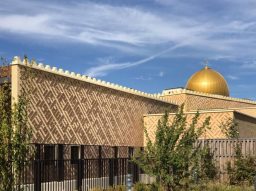
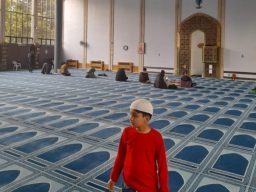

The Role of Mosques in British Society
Fostering Unity, Compassion and Understanding
الْحَمْدُ لِلَّهِ رَبِّ الْعَالَمِينَ وَ الصَّلٰوۃ وَالسَّلَامُ علٰی رَحْمَةً لِلْعَالَمِينَ۔ امّابعد
Allah ﷻ said in the Glorios Qu'ran:
وَمَنْ يُعَظِّمْ شَعَائِرَ اللَّهِ فَإِنَّهَا مِنْ تَقْوَى الْقُلُوبِ
Whoever honours the sacred symbols of Allah, that is from the piety of the hearts. [Qur'an: 22:32]
Todays’ sermon is about the role of mosques in a multicultural society.
Let us reflect on the vital role a masjid plays in a society that is richly diverse in cultures, languages, and beliefs.
In a multicultural society, masjid is not merely a place for worship, but a community hub, a palce to meet and greet, and a beacon of hope, guidance, and harmony.
Masjid: a Sacred Sanctuary
Masjid is not just a building. It is a house of Allah ﷻ, a place dedicated for His worship and remembrance:
Allah ﷻ said in the Holy Qur'an:
وَأَنَّ الْمَسَاجِدَ لِلَّهِ فَلَا تَدْعُوا مَعَ اللَّهِ أَحَدًا
And that Mosques are for Allah, so do not invoke anyone besides Him. (72:18)
إِنَّمَا يَعْمُرُ مَسَاجِدَ اللَّهِ مَنْ آمَنَ بِاللَّهِ وَالْيَوْمِ الْآخِرِ
Allah's mosques are to be visited and maintained by those who believe in Allah and the Last Day… [Qur'an: 9:18]
Masjid is a place where hearts find peace, where sins are forgiven, and where souls are nourished with faith.
The Prophet ﷺ said:
أَحَبُّ الْبِلَادِ إِلَى اللَّهِ مَسَاجِدُهَا
The most beloved of places to Allah are the masajid. (Muslim)
Masjid is a spiritual sanctuary. When life becomes heavy, when our hearts feel burdened, the masjid is the place to return to. Just as the Prophet ﷺ would hasten to prayer whenever something worried him, we too should go to the masjid to find spiritual strength and peace of soul.
But a sanctuary is not only for individuals, it is for the whole community. In the masjid, we are united in rows, equal before Allah, whether rich or poor, black or white, young or old. The masjid promotes equality, erases differences and reminds us of the greater truth: that we are worshipers of one Lord.
The Prophet ﷺ said:
مَنْ بَنٰی لِلّٰہِ مَسْجِدًا بَنَی اللّٰہَ لَہٗ بَیْتًا فِي الْجَنَّۃِ
Whoever builds a mosque for the sake of Allah, Allah will build for him/her a house in Paradise.” (Bukhari، Muslim)
This shows the honour and blessing of building and maintaining the masjid. Whether through our donations, our time, or our service, every contribution we make to preserve this sanctuary is an investment for the Hereafter.
The Prophet ﷺ said:
إذا رأيتم الرجل يعتاد المساجد فاشهدوا له بالإيمان، قال الله تعالیٰ {إنما يعمر مساجد الله من آمن بالله واليوم الآخر}
When you see a person attends mosques frequently, you should testify his faith beacuse Allah's mosques are visited by those who believe in Allah and the last day. (Tirmidhi)
Masjid: More Than a Place of Worship
The primary purpose of the masjid is, of course, to serve as a place of worship where Muslims come together for prayer and other acts of worship. However, the masjid has traditionally been much more than that. During the time of our beloved Prophet Muhammad ﷺ, masjid was the heart of the community, a centre for learning and a social hub to support the community and the society. It was a place where everyone, regardless of background or status, could find solace and direction.
In the UK, mosques have transformed into dynamic community hubs, offering a range of services that extend well beyond traditional spiritual guidance. Alhamdulillah, UK Masjids have now initiated diverse programmes focused on health, education, and social welfare, catering to different needs of the community and society. This expansion of services resonates deeply with the Islamic principle of ‘Khidma’ (service), emphasising the mosque’s role in supporting the whole society.
In today's Britain, the role of Mosques has expanded significantly, embracing community service, interfaith dialogue, and social cohesion. This evolution reflects not only the changing dynamics of the Muslim community but also the broader Islamic teachings on engagement and respecting others.
Unity in Diversity
In a multicultural society, mosque has a sacred responsibility to promote unity. Islam teaches us that diversity is a sign of Allah’s creative power.
Allah says in the Qur’an:
يَـٰٓأَيُّهَا ٱلنَّاسُ إِنَّا خَلَقْنَـٰكُم مِّن ذَكَرٍۢ وَأُنثَىٰ وَجَعَلْنَـٰكُمْ شُعُوبًۭا وَقَبَآئِلَ لِتَعَارَفُوٓا۟۔
“O mankind! We created you from a single (pair) of a male and a female, and made you into nations and tribes, that you may know each other.” (49:13)
وَمِنْ آيَاتِهِ خَلْقُ السَّمَاوَاتِ وَالْأَرْضِ وَاخْتِلَافُ أَلْسِنَتِكُمْ وَأَلْوَانِكُمْ
And one of His signs is the creation of the heavens and the earth, and the diversity of your languages and colours. (30:22)
Our differences are not meant to divide us, but to help us appreciate the richness of Allah’s creation. A mosque, therefore, should be a place where all members of the society feel welcome, irrespective of their ethnicity, language, or background.
Promoting Compassion and Social Cohesion
The masjid should also serve as a bridge between communities. By organising mosque open days, interfaith dialogues, and community events, the masjid can promote better understanding among neighbours of all backgrounds. It is through such initiatives that barriers are broken down and misconceptions are addressed. When we open our doors, our minds and our hearts to others, we embody the spirit of the Prophet ﷺ, who was known for his mercy and kindness to all, regardless of faith or background.
Educational and Social Services
Education is a cornerstone of the masjid’s mission. By offering classes in knowledge and practical life skills, the masjid can empower individuals from all walks of life. Furthermore, providing social support such as food banks, counselling, and youth programmes, helps to address the challenges that may arise in a multicultural society, such as social isolation or economic hardship. In this way, the masjid becomes a sanctuary for the vulnerable and a source of upliftment for the community.
Setting an Example of Good Citizenship
Islam encourages us to be good neighbours and responsible citizens. The masjid should lead by example, encouraging its congregation to participate in civic life and contribute positively to society. By nurturing a spirit of volunteerism and civic responsibility, the masjid helps to build a sense of belonging and shared purpose among all who live in the soceity.
Challanges and Opportunities
Despite these developments, mosques in modern socities face challenges such as Islamophobia, far right extremism, anti-Muslim hatred, balancing tradition with modernity and addressing misconceptions about Islam. Mosques should handle these issues with Islamic principle of Hikma (Wisdom). These challenges also create new opportunities for review, growth and innovation, especially in making our services more relevant to the society. May Allah swt safeguard our mosques. Ameen
We also need to empower our next generation so that they can continue playing an active part in society, to benefit not just Muslims but the entire neighbourhoods.
Community Cohesion
The role of mosques in modern British society is multifaceted and dynamic. As centres of worship, community hubs, platforms for interfaith dialogue, and educational institutions, mosques are instrumental in promoting service, understanding, and cohesion. These roles, deeply ingrained in Islamic teachings, are crucial for the integration and well-being of the Muslim community in Britain. As we move forward, it's essential that we continue to evolve and contribute positively to the society we're a part of.
Conclusion
The role of the masjid extends beyond a specific culture. In a multicultural environment, the masjid should also serve as a place where neighbours can learn about Islam, where misconceptions can be cleared, and where trust can be built through open days, interfaith events, and community services.
The Prophet ﷺ was known for his mercy and compassion, not just to Muslims, but indeed for everyone. He cared for the weak, visited the sick, and showed kindness to his neighbours. Our mosques should offer same attitude, guidance and support for the community.
Being part of a multicultural society also means being good citizens. Islam teaches us to respect the law of the land, cooperate in goodness, contribute positively, and be the best examples in our workplaces, schools, and neighbourhoods. The masajid should inspire its attendees to volunteer, serve, and build harmony wherever they live.
Let us remember that the masjid is more than walls and prayer carpets. It is a sanctuary of worship, a school of knowledge, a house of mercy, and a centre of unity. If we make our mosques open, welcoming, and active, they will not only strengthen the Muslim community but also bring light and understanding to the wider society insha'Allah.
Du‘a
Let’s pray:
O Allah, send Your peace and blessings upon our Prophet Muhammad ﷺ, his noble family and companions.
O, Allah make our masajid source of guidance for everyone.
O Allah, unite our hearts, increase our compassion, and guide us to live with wisdom and sincerity.
O Allah, bless our masajid and make them beacons of light for our community and society.
O Allah, help us to be among those who honour their neighbours, serve their society, and worship You with devotion.
O Allah, make us among the righteous, and accept from us our good deeds.
May Allah make our masjids a light in our communities, and may He help us to fulfil our responsibilities with wisdom and sincerity.
O Allah, honour us with the intercession of Prophet Muhammad ﷺ, fill our hearts with his love, and grant us the blessing of being in his company in the hereafter.
رَبَّنَا آتِنَا فِي الدُّنْيَا حَسَنَةً وَفِي الْآخِرَةِ حَسَنَةً وَقِنَا عَذَابَ النَّارِ
Our Lord, grant us good in this world and good in the Hereafter and save us from the torment of the Fire.
I conclude my sermon as a reminder to myself:
لَّـقَدْ كَانَ لَكُمْ فِىْ رَسُوْلِ اللّـٰهِ اُسْوَةٌ حَسَنَةٌ لِّمَنْ كَانَ يَرْجُو اللّـٰهَ وَالْيَوْمَ الْاٰخِرَ وَذَكَـرَ اللّـٰهَ كَثِيْـرًا
“Indeed, in the Messenger of Allah you have an excellent example to follow, for him who hopes in Allah and the Last Day, and remembers Allah often.” [Qur’an 33:21]
أَقُولُ قَوْلِي هَذَا وَأَسْتَغْفِرُ اللَّهَ لِي وَلَكُمْ، فَاسْتَغْفِرُوهُ إِنَّهُ هُوَ الْغَفُورُ الرَّحِيمُ
ـــــــــــــــــــــــــــــــــــــــــــــــــــــــــــــــــــــــــــــــــــــــــــــــ
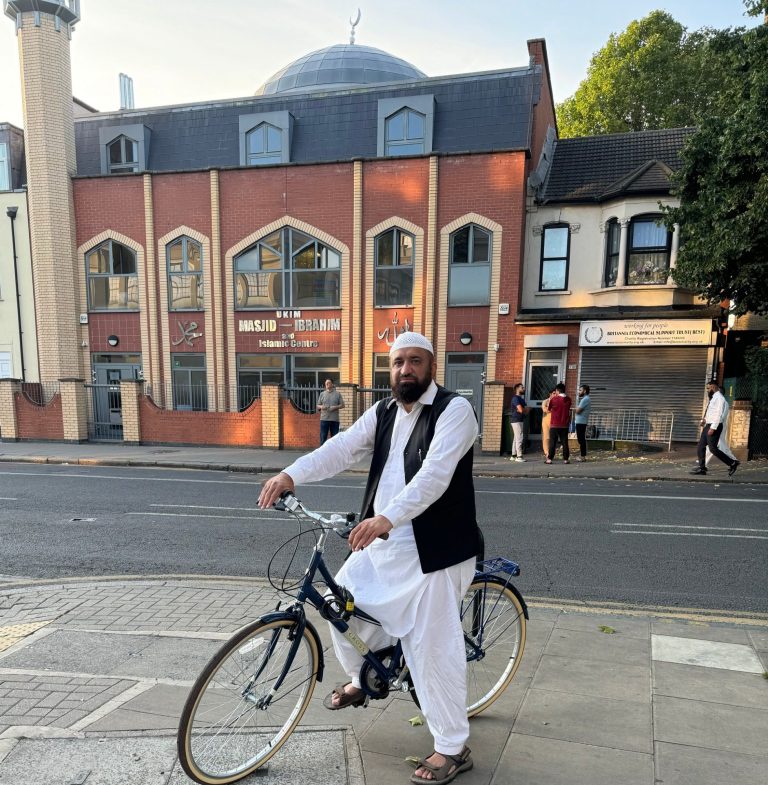



Reflections from Surah Ad-Dhua
Light after Darkeness
Blessings in Light of Divine Care
الْحَمْدُ لِلَّهِ رَبِّ الْعَالَمِينَ وَ الصَّلٰوۃ وَالسَّلَامُ علٰی رَحْمَةً لِلْعَالَمِينَ۔ امّابعد
Allah (swt) says in Chapter 93 of the Holy Quran:
بِسْمِ اللّـٰهِ الرَّحْـمٰنِ الرَّحِيْـمِ
وَالضُّحَىٰ ﴿1﴾ وَاللَّيْلِ إِذَا سَجَىٰ ﴿2﴾ مَا وَدَّعَكَ رَبُّكَ وَمَا قَلَىٰ ﴿3﴾ وَلَلْآخِرَةُ خَيْرٌ لَكَ مِنَ الْأُولَىٰ ﴿4﴾ وَلَسَوْفَ يُعْطِيكَ رَبُّكَ فَتَرْضَىٰ ﴿5﴾ أَلَمْ يَجِدْكَ يَتِيمًا فَآوَىٰ ﴿6﴾ وَوَجَدَكَ ضَالًّا فَهَدَىٰ ﴿7﴾ وَوَجَدَكَ عَائِلًا فَأَغْنَىٰ ﴿8﴾ فَأَمَّا الْيَتِيمَ فَلَا تَقْهَرْ ﴿9﴾ وَأَمَّا السَّائِلَ فَلَا تَنْهَرْ ﴿10﴾ وَأَمَّا بِنِعْمَةِ رَبِّكَ فَحَدِّثْ۔ ﴿11
In the name of God, the most Kind, the most Gracious
By the morning brightness, and by the night when it grows still. Your Lord has neither abandoned you nor is He displeased. Surely, the Hereafter will be better for you than this world. And soon your Lord will grant you so much that you will be pleased. Did He not find you an orphan and give you shelter? Did He not find you unaware and guide you? Did He not find you in need and make you independent? So, do not oppress the orphan, nor repulse anyone asking for help. And speak about the blessings of your Lord.
Background and Context of Revelation
One of the most beautiful chapters revealed in the Qur'an is Surah Al-Duha. It was revealed in a deeply emotional period of the Prophet’s life. For a short time, the divine revelation had paused. The Prophet Muhammad ﷺ felt a heavy sadness. Meanwhile, his opponents, the people of Quraysh had mocked him, claiming he was abandoned. Allah responded with this Surah, filling the Prophet’s heart with peace, optimism, and renewed strength.
Allah sent down verses that not only consoled His beloved Prophet ﷺ but continue to console every distressed heart today. How many among us have felt, even for a fleeting moment, abandoned or forgotten? When prayers seem unanswered, when hardships multiply, when the world appears to have turned away, this Surah brings comfort and peace for any upset heart.
A Message of Divine Reassurance
مَا وَدَّعَكَ رَبُّكَ وَمَا قَلَىٰ
“Your Lord has neither abandoned you nor is He displeased…” (93:3)
This is a powerful message for all humanity. No matter how distant we feel from Allah, He is closer to us. Life’s difficulties are not a sign of Allah's displeasure; rather, they are opportunities for growth, for drawing nearer to Allah, for building resilience and faith.
The Promise of a Better Future
وَلَلْآخِرَةُ خَيْرٌ لَكَ مِنَ الْأُولَىٰ۔ وَلَسَوْفَ يُعْطِيكَ رَبُّكَ فَتَرْضَىٰ
“Surely, the Hereafter will be better for you than this world. And soon your Lord will grant you so much that you will be pleased.” (93:4-5)
Here, Allah teaches us to focus our hearts on the true purpose of existence: the life to come. The hardships of this world are fleeting, but the reward that awaits is everlasting and beyond all imagination. What a magnificent promise: that one day, not only the Prophet, but every steadfast believer, will be given by Allah so abundantly that they will be content, their hearts will be overflowing with gratitude and peace.
Remembering Past Blessings
Allah then reminds His Prophet ﷺ of the blessings He had already given:
أَلَمْ يَجِدْكَ يَتِيمًا فَآوَىٰ۔ وَوَجَدَكَ ضَالًّا فَهَدَىٰ۔ وَوَجَدَكَ عَائِلًا فَأَغْنَىٰ۔
“Did He not find you an orphan and give you shelter? Did He not find you unaware and guide you? Did He not find you in need and make you independent?” (93:6–8)
Each of these reminders is a lesson. The Prophet ﷺ was orphaned, yet Allah placed him under the care of loving guardians. He was without the guidance of revelation, and Allah enlightened him with prophethood. He was in need, and Allah enriched him in countless ways.
We, too, are reminded to look at our own journeys. How often have we been lifted from difficulty, guided after confusion, provided for in our times of need? Thankfulness for past blessings is a key to present contentment.
Three lessons
At the end of Surah, Allah teaches three lasting lessons us:
فَأَمَّا الْيَتِيمَ فَلَا تَقْهَرْ
Care for the orphan, never oppress the weak or vulnerable.
وَأَمَّا السَّائِلَ فَلَا تَنْهَرْ
Respond kindly to those who ask, whether they seek knowledge, help, or guidance.
وَأَمَّا بِنِعْمَةِ رَبِّكَ فَحَدِّثْ
Speak about Allah’s blessings, gratitude should shine in both words and actions.
Lessons from the Surah in Today’s World
Surah Ad-Dhuha carries timeless lessons that fit beautifully into today’s world, where people often struggle with loneliness, uncertainty.
Here are some key lessons we can draw:
Periods of silence don’t mean abandonment
In an age of constant notifications and instant responses, silence can feel unbearable. Surah Ad-Dhuha reminds us that just because things are quiet, or prayers seem unanswered, it doesn’t mean Allah has left us. Waiting itself can be a form of divine care and preparation.
Hope in difficult times
Many people face stress, problems or financial pressure today. The surah teaches us to hold onto optimism: after every dark night comes a morning, and after hardship comes ease. Challenges are temporary, and brighter days are ahead.
Gratitude as a source of strength
In a world that pushes us to focus on what we lack, the surah encourages us to remember the blessings we already have. Reflecting on how Allah has guided, protected, and provided in the past builds resilience and gratitude in the present.
Compassion for the vulnerable
Modern life can make us self-centered, but Allah reminds us to care for the vulnereable people of the society e.g. orphan, the destitue, and the needy. This is a call to strengthen community, show kindness, and use our privileges to uplift others.
Defining worth beyond material success
Society often measures value by wealth, status, or achievements. Surah Ad-Dhuha shifts our focus: real success lies in Allah’s pleasure and in giving hope to others, not in worldly recognition.
Four-point rehabilitation plan!
The Surah lays out a four-part spiritual strategy that is relevant for all of us when facing hardship:
- Remove negative thoughts.
- Stay optimistic and trust Allah’s plan.
- Remember past blessings and achievements.
- Set new goals with clarity and hope.
Conclusion
Surah Al-Duha is not just a comfort for the Prophet ﷺ, but also a healing message for all of us. It teaches us hope when we feel abandoned, strength when we feel weak, and gratitude when we forget our blessings.
Dua
Let's Pray
O Allah, send Your peace and blessings upon our beloved Prophet Muhammad ﷺ, his noble family, and companions.
O Allah, grant us ability and Taufiq to follow the Seerah and Sunnah of our beloved Prophet Muhammad ﷺ and enable us to teach these noble teachings to our children, families and community.
O Allah, make us among those who follow his guidance, honour his Sunnah, and receive his intercession on the Day of Judgment.
O Allah, grant mercy to our parents, fill our hearts with gratitude, and make us people who care for the needy and the orphans.
رَبَّنَا آتِنَا فِي الدُّنْيَا حَسَنَةً وَفِي الْآخِرَةِ حَسَنَةً وَقِنَا عَذَابَ النَّارِ
Our Lord, grant us good in this world and good in the Hereafter and save us from the torment of the Fire.
I conclude my sermon as a reminder to myself:
لَّقَدْ كَانَ لَكُمْ فِى رَسُولِ ٱللَّهِ أُسْوَةٌ حَسَنَةٌۭ لِّمَن كَانَ يَرْجُوا۟ ٱللَّهَ وَٱلْيَوْمَ ٱلْـَٔاخِرَ وَذَكَرَ ٱللَّهَ كَثِيرًۭا
"Indeed, in the Messenger of Allah you have an excellent example to follow, for anyone who has hope in Allah and the Last Day, and remembers Allah often." [Qur’an 33:21]
أَقُولُ قَوْلِي هَذَا وَأَسْتَغْفِرُ اللَّهَ لِي وَلَكُمْ، فَاسْتَغْفِرُوهُ إِنَّهُ هُوَ الْغَفُورُ الرَّحِيمُ




Seerat Sermon Series
اِنَّ مَعَ الْعُسْرِ يُسْرًا
Divine Comfort in Times of Hardship
Allah (swt) says in Chapter 94 of the Holy Quran:
اَلَمْ نَشْرَحْ لَـكَ صَدْرَكَۙ۔ وَوَضَعْنَا عَنْكَ وِزْرَكَۙ۔ الَّذِىْۤ اَنْقَضَ ظَهْرَكَۙ۔ وَرَفَعْنَا لَـكَ ذِكْرَكَۗ۔ فَاِنَّ مَعَ الْعُسْرِ يُسْرًا۔ اِنَّ مَعَ الْعُسْرِ يُسْرًا ۗ ۔ فَاِذَا فَرَغْتَ فَانْصَبْۙ۔ وَاِلٰى رَبِّكَ فَارْغَبْ۔
˹O Prophet˺ Did We not lay open your heart (mind) and relieved you of the burden which had weighed upon your back.
And did we not raise high your name? (Did we not make you popular, so you live in the hearts of people).
Indeed, there is relief/ease after hardship.
Once you have fulfilled ˹your worldly tasks˺, strive ˹in devotion˺, turn to your Lord with hope. (always be optimistic from the mercy of your Lord.)
The above Surah was revealed to the Prophet Muhammad ﷺ during a period of immense difficulty in the early days of his Mission.
This Surah has some Special Lessons for us:
Be optimistic like Prophet Muhammad ﷺ. He showed resilience, forebearnce and optimism throughout his life.
Special Divine Blessings
Allah (swt) has addressed the Prophet in this Surah with love, honour and grace when He said:
أَلَمْ نَشْرَحْ لَكَ صَدْرَكَ
"Did We not open for you your heart (mind)?" [Qur’an: 94:1]
Yes indeed, Allah did expand his heart and mind, filling it with mercy, love, kindness, and compassion. His heart was already generous and pure but made even more. His character was already refined and noble, but he was made a perfection of nobility.
The Holy Prophet's heart was expanded to receive the knowledge and wisdom. As a result of this expansion of heart, attentiveness to the creation did not disturb his concentration with Allah.
Divine Immunity
Some of the authentic Hadiths report that the angels, with Allah's permission, physically opened the blessed chest of the Holy Prophet ﷺ. In this remarkable procedure, the heart of Prophet was taken out, purified, filled with wisdom, and put back in his noble chest. This heavenly operation was essential to make his heart capable and powerful to receive the divine messages and to be the container of Revelation.
His Lord protected him from the burden of sins and wrongdoings as He says:
وَوَضَعْنَا عَنْكَ وِزْرَكَ * الَّذِي أَنْقَضَ ظَهْرَكَ
“And We removed from you your burden, which had weighed upon your back” [Qur’an: 94:2-3].
Higest elevation of Status: Unique honour of Prophet ﷺ
Our Lord has exalted the remembrance of His Prophet in the worlds and raised his rank in the highest heavens. Allah says:
وَرَفَعْنَا لَكَ ذِكْرَكَ
"And We elevated your remembrance." [Qur’an: 94:4].
There is no Khateeb/Imam who delivers a sermon, no worshiper who testifies in prayer, and no Muazin (caller to prayer) except that they say:
أَشْهَدُ أَنْ لَا إِلَهَ إِلَّا اللَّهُ، وأَشْهَدُ أَنَّ مُحَمَّدًا رَسُولُ اللَّهِ
“I bear witness that there is nothing worthy of worship except Allah, and I bear witness that Muhammad is the Prophet of Allah.”
How truthful is the poet's words:
وَضَمَّ الْإِلَهُ اسْمَ النَّبِيِّ مَعَ اسْمِهِ ** إِذَا قَالَ فِي الْخَمْسِ الْمُؤَذِّنُ أَشْهَدُ
“Allah combined and united the Prophet's name with His own name. It is confirmed by the caller to prayer five times a day when he says: “I testify that there is none worthy of worship except Allah, and I testify that Muhammad is the Prophet of Allah”.
Thus, his remembrance and praise remain until the Day of Judgment. His praiseworthy remembrance shall remain forever by Allah’s permission.
Optimism and Positive Thinking
One of the principles emphasized by Surah al-Sharh is the value of optimism and positive thinking. It mentions that every hardship is followed by ease, and every difficulty is followed by relief. So, to those weighed down by worries, overwhelmed by sorrows, and on the brink of despair, reflect on the matter that Allah has affirmed and repeated when He says:
فَإِنَّ مَعَ الْعُسْرِ يُسْرًا * إِنَّ مَعَ الْعُسْرِ يُسْرًا
"For indeed, with hardship comes ease; indeed, with hardship comes ease." [Qur’an: 94:5-6].
Don't Despair from Allah's mercy
The theme of this Surah is "Hope" and being optimistic. Trust in the promise of your Lord and be certain that "no difficulty is beyond Allah’s power." Do not despair of Allah’s mercy and rejoice in the relief from Allah that will ease your pains and fulfil your hopes. Perhaps Allah will follow the hardship you know with an ease you cannot yet perceive.
One the poet said:
وَلَرُبَّ نَازِلَةٍ يَضِيقُ بِهَا الْفَتَى ** ذَرْعًا وَعِنْدَ اللَّهِ مِنْهَا الْمَخْرَجُ
“How often has a difficulty weighed heavily on a person, without knowing that ease follows every difficulty in Allah’s plan.”
Concentration is essential when worshiping
At the end of Surah al-Sharh, Allah says to His Prophet:
فَإِذَا فَرَغْتَ فَانْصَبْ * وَإِلى رَبِّكَ فَارْغَبْ
"So, when you have finished your duties and you are free, then stand up for worship. Turn to your Lord with hope. (always be optimistic from the mercy of your Lord). [Qur’an: 94:7-8].
That is, when you have completed your worldly tasks and have full peace of mind, turn your attention to your Lord. Stand before Him in prayer, call upon Him, and seek His grace, for He is the best to ask, and the most generous in giving.
Lessons from the Surah in Today’s World
Mental Health & Emotional Relief
The surah is a reminder that Allah can bring inner peace and relief from anxiety. In an age where stress, depression, and burnout are widespread, this verse reassures us that spiritual connection with Allah is a powerful source of healing and calm.
Carrying Heavy Burdens
Allah mentions lifting the Prophet’s ﷺ burden. Today, many feel weighed down by financial struggles, family responsibilities, or social pressures. The surah teaches us that no matter how overwhelming our load seems, Allah is capable of lightening it when we rely on Him and remain patient.
The Power of Reputation and Integrity
Allah tells the Prophet ﷺ, “And We raised high for you your reputation.” In a world dominated by social media and public image, this verse reminds us that true honor doesn’t come from likes or followers, but from Allah elevating those who live with honesty, humility, and service to others. This surah also reminds us that true honour comes from Allah swt.
Hope During Hardship
The famous verse “Indeed, with hardship comes ease” is especially relevant today. The surah reminds us that every difficulty is temporary and paired with its relief. This encourages resilience and optimism in the face of uncertainty.
Balancing Work and Spirituality
The ending verses encourage making connection with Allah e.g standing in prayer after completing wordly tasks. In our fast-paced lives, after chasing deadlines and worldly goals, we are reminded to turn back to Allah for true fulfillment and spirtual growth.
Resilience in Leadership and Service
Just as the Prophet ﷺ was reassured while carrying the responsibility of guiding humanity, modern leaders, whether community leaders, parents, or professionals, can take strength from this surah. It teaches that with every heavy responsibility comes with divine support if we make our intention pure.
Hardship is temporary
Whatever challange or worries we face, relief is already promised alongside it sooner or later. We will be rewarded for all the dificulitis we have in this world if we show patience while keeping faith on Allah.
Turn challenges into worship
After fulfilling your duties, renew your connection with Allah through prayer, du‘a, and devotion.
Always remember Allah’s blessings, especially in challanging times.
Follow the noble character of the Prophet ﷺ: patience, kindness, optimism.
Do not despair, after every difficult situation, Allah grants ease.
Make worship the center of your life, seeking comfort in prayer and dua.
Conclusion:
Surah Al-Inshirah teaches us resilience, patience, and reliance upon Allah. Whenever life becomes heavy, remember that your ease is already written. Hold firm, keep faith, and turn to your Lord with hope.
May Allah expand our hearts, remove our burdens, and grant us the sweetness of ease after every hardship.
Dua:
Let's Pray
O Allah, send Your peace, blessings, and honour upon our Prophet Muhammad, in whose remembrance hearts find peace, worries are lifted, and sins are forgiven. And send Your peace and blessings upon his noble family and companions.
O, Allah, make us dutiful to our parents and have mercy on them.
O Most Merciful of the merciful. Our Lord, grant us good in this world and good in the hereafter, and protect us from the torment of the fire.
O Allah, honour us with the intercession of Prophet Muhammad (PBUH), fill our hearts with his love, and grant us the blessing of being in his company in the hereafter.
رَبَّنَا آتِنَا فِي الدُّنْيَا حَسَنَةً وَفِي الْآخِرَةِ حَسَنَةً وَقِنَا عَذَابَ النَّارِ
Our Lord, grant us good in this world and good in the Hereafter and save us from the torment of the Fire.
I conclude my sermon as a reminder to myself:
لَّـقَدْ كَانَ لَكُمْ فِىْ رَسُوْلِ اللّـٰهِ اُسْوَةٌ حَسَنَةٌ لِّمَنْ كَانَ يَرْجُو اللّـٰهَ وَالْيَوْمَ الْاٰخِرَ وَذَكَـرَ اللّـٰهَ كَثِيْـرًا
“Indeed, in the Messenger of Allah you have an excellent example to follow, for him who hopes in Allah and the Last Day, and remembers Allah often.” [Qur’an 33:21]
أَقُولُ قَوْلِي هَذَا وَأَسْتَغْفِرُ اللَّهَ لِي وَلَكُمْ، فَاسْتَغْفِرُوهُ إِنَّهُ هُوَ الْغَفُورُ الرَّحِيمُ
ـــــــــــــــــــــــــــــــــــــــــــــــــــــــــــــــــــــــــــــــــــــــــــــــ



New Academic Year
Sermon for Students, Teachers and Parents
The new academic year has started in the United Kingdom. The schools, colleges, and universities once again have opened their doors to welcome students to embark on the journey of study and knowledge.
Seeking knowledge is a Sacred Obligation
In Islam, seeking knowledge is a divinley inspired obligation. The first revelation/commandment to our Prophet Muhammad ﷺ was regarding education, emphasizing literacy and knowledge as divine imperatives. Islam encourages its followers to seek knowledge, understand their world and use experience of learning to benefit themselves and the society. The texts from Qur’an and Hadith are overflowing with references highlighting the sacred obligation of seeking knowledge.
In this spirit, we begin the new academic year with a beautiful prayer from the Qur’an:
رَبِّ زِدْنِي عِلْمًا
O my Lord, increase me in knowledge. (20:114)
This remarkable verse reminds us that the pursuit of knowledge is a lifelong journey. Whether we are starting our first lesson or advancing through years of learning, we are encouraged to walk the path of knowledge with humility and perseverance.
The Blessings of Seeking Knowledge
Education is not only a key to personal achievement but also a sacred responsibility. It is a means to become better human beings, better Muslims, and better contributors to society.
Let us renew our intention to seek both sacred and scientific knowledge, aspiring to uplift ourselves, our families, and our communities.
The Prophet Muhammad ﷺ said:
مَنْ سَلَكَ طَرِيقًا يَلْتَمِسُ فِيهِ عِلْمًا؛ سَهَّلَ اللَّهُ لَهُ بِهِ طَرِيقًا إِلَى الْجَنَّةِ
Whoever follows a path seeking knowledge, Allah will make easy for them a path to Paradise. (Muslim)
Every effort made in pursuit of knowledge, within the classroom or beyond, is beloved to Allah, especially when made with sincerity and correct intention. No matter your field of study or research, let your quest for knowledge be a source of spiritual reward and enlightenment.
Beneficial knowledge leads societies forward, builds civilizations, and creates scholars in all fields of life. Our Prophet ﷺ used used to seek refuge agains the knowledge which is not beneficial. He used to make Dua:
اللَّهم انی اعوذ بک من علم لا ینفع
O, Allah, I seek refuge with you against the knowledge which is not beneficial. (Nisai, Ibn-Majah)
Education for everyone!
Islam encourages equality in education. Seeking knowledge is among the noblest of pursuits, a duty upon every Muslim, male and female.
Women’s education is not only permitted but celebrated, and historically, women have been patrons, scholars, and teachers in Islamic civilization. The Prophet’s wife Syeda Aisha (may Allah be pleased with her) was a renowned scholar and teacher to the early Muslim community.
In Islam The Path of Knowledge is open to all, regardless of gender, ethnicity or background.
The Prophet ﷺ said:
طلب العلم فريضة على كل مسلم
Seeking knowledge is an obligation upon every Muslim. (Ibn Majah)
Knowledge is more than an intellectual exercise; it is enlightenment that dispels the darkness of ignorance and guides us towards excellence, dignity, and progress.
The Prophet Muhammad ﷺ said:
الكلمة الحكمة ضالة المؤمن فحيث وجدها فهو أحق بها
Wisdom is the lost property of the believer; wherever they find it, they have a right to have it. (Tirmidhi, Ibn-Majah)
This hadith encourages us to seek beneficial knowledge from any source, reinforcing a spirit of intellectual openness and cross-cultural exchange.
The Prophet ﷺ said:
خیر الناس من ینفع الناس
The best among people are those who are most beneficial to other people. (Daraqutni)
By studying any beneficial knowledge e.g. medicine, engineering, or social sciences, Muslims are encouraged to address real-world challenges, alleviate suffering, and promote compassion to create a compassionate society and help to build a more caring world.
Advice to Students
Dear Students: Your academic journey is not just a personal venture, it is an act of worship, a way to serve your community, society, and all of humanity. Let learning shape your character, guide your behaviour, and inspire you to reach the highest levels of knowledge and wisdom.
Every meaningful journey begins with intention. The pursuit of knowledge should be grounded in sincerity, a true desire to learn for enlightenment, and the betterment of oneself and society. Avoid the pursuit of knowledge for pride, argument, or fame. Nurture your intention for the sake of Allah and be steadfast in your search for knowledge. The motivation for a Muslim to seek knowledge is to please Allah and serving the humanity.
Respect your teachers, for they are the lanterns illuminating your path. Honour their dedication and the wisdom they share. The guidance of teachers is invaluable. Approach them with respect, gratitude, and patience. Listen to them attentively. Remember that teachers are also learners on their own journey, and their experiences can provide lessons beyond the content of textbooks.
Engage in Constructive Dialogue
Education and study thrives in an environment of discussion and debate. Engage peers and mentors in respectful, thoughtful dialogue. Share your insights, listen to different perspectives, and be willing to re-examine your views in light of evidence and reason. True dialogue sharpens understanding and broadens horizons.
Remember: knowledge is not confined to books. It encompasses discipline, ethics, and sincerity in all you do.
Time Management
Time is a precious resource. Organize your day to balance study, rest, and recreation. Use tools such as planners, calendars, diaries and to-do lists to help you stay on track, and regularly review your progress toward your goals.
Facing Challenges
Challenges and obstacles are common in the pathway of knowledge. You may encounter difficult concepts, setbacks and even failures. Never give up. View these challenges as an opportunity to grow stronger and wiser. Seek help when needed and remember that every expert was once a beginner.
Find supportive friends
Learning is a pleasant experience in the company of good and intellectual friends. Seek out peers who share your passion for knowledge and support in your studies. Form study groups and exchange notes. Encouragement and collaboration help sustain motivation and deepen understanding.
The Prophet ﷺ also advised:
الرَّجُلُ عَلَى دِينِ خَلِيلِهِ، فَلْيَنْظُرْ أَحَدُكُمْ مَنْ يُخَالِلُ
A person follows the path/traits of their close friend, so let each of you be mindful of whom you befriend.
Choose your companions wisely. Surround yourself with those who inspire goodness, motivate study and help you remain steadfast on the right path.
Take Care of your well-being
A healthy mind depends on a healthy body. Maintain good nutrition, exercise and have fresh air regularly and get sufficient rest. Balance your studies with activities that rejuvenate you, such as hobbies, time with family, friends, spending time in nature and engaging in community activites. When you care for your well-being, you enhance your capacity to learn.
Give Back to the Society
Knowledge is a gift meant to be shared. Look for opportunities to teach, mentor, or contribute to the community using your skills. Helping others learn not only benefits them but reinforces your own understanding and cultivates a spirit of generosity.
Journey of a lifetime
The journey of knowledge does not end with exams or Degrees. The pursuit of knowledge is a lifelong, transformative journey. It shapes character, opens minds, and inspires personality. May your journey be filled with curiosity, perseverance, and joy, and may the knowledge you gain be a source of enlightenment, not only for yourself but for others as well. Commit yourself to continuous learning, read widely and remain curious about the world around you. Let your learning evolve with time, adapting to new methods, new skills and changing realities.
Advice to Teachers
Dear Teachers: Teaching is a noble profession, the profession of our beloved Prophet ﷺ. He said:
انما بعثت معلّماً
“I was sent only as a teacher.”
Your influence shapes generations. You are entrusted with nurturing the hearts and minds of the future. As you teach, remember the words of the Prophet ﷺ:
كُلُّكُمْ رَاعٍ، وَكُلُّكُمْ مَسْئُولٌ عَنْ رَعِيَّتِهِ
Each of you is a shepherd, and each of you is responsible for their flock. (Bukhari, Muslim)
Your guidance imparts knowledge and instils values, inspiring noble character. Let your classrooms be places where curiosity thrives, respect flourishes, and excellence is nurtured.
Advice to Parents
Dear Parents: Your role is indispensable in any education system. You should engage in your children’s learning by giving them quality time, attend school meetings, and be attentive to their progress and behaviour.
The Prophet ﷺ said:
ما نَحَلَ والدٌ ولَدَهُ مِنْ نَحْلٍ أَفْضَلَ مِنْ أَدَبٍ حَسَنٍ
The best gift from a parent to their child is good manners. (Tirmidhi)
Foster a relationship with your children based on friendship, trust, and open communication. Bring them to the masjid regularly, making it a familiar and comforting environment for your children.
The Prophet ﷺ said:
اکرمو اولادکم واحسنو ادبھم
Give respect to your children and teach them good manners.
Support your children through challenges, honour their aspirations, and constantly pray for their success, as the Qur’an teaches the Dua regarding our next generation:
وَأَصْلِحْ لِي فِي ذُرِّيَّتِي
(O, Allah) make righteous for me my offspring. (Ahqaf 46:15)
Your prayers and unwavering support provides the foundation for your children’s success in this world and the Hereafter. Your Dua’s will follow them throughout their life insha'Allah.
Collective Responsibility
The responsibility to educate and nurture the next generation is a collective responsibility, shared by scholars, teachers, parents, institutions and indeed every member of the society. By working together, we can provide the groundwork for a community rooted in knowledge, ready to rise to the challenges of tomorrow.
Let us embrace this academic year with renewed passion and resolution, dedicated to benefiting ourselves, our young generation, our families, and our society at large.
Concluding Prayer (Dua)
Let us Pray:
O Allah, send Your peace and blessings upon our Prophet Muhammad ﷺ, his noble family, and companions.
O, Allah, make this year a year of success and achievement for all students of knowledge.
O, Allah grant us knowledge that is beneficial, guide our children toward success, and make them upright citizens in society. O, Allah, protect them from ignorance, bad influences, and keep them away from any kind of evil and harm.
O Allah, guide our students to the light of knowledge and wisdom.
O, Allah, bestow Your blessings upon our teachers, our parents, and all who illuminate the paths of learning.
O, Allah unite our hearts in the pursuit of knowledge, and make our endeavours a source of happiness in this world and the next.
رَبَّنَا آتِنَا فِي الدُّنْيَا حَسَنَةً وَفِي الْآخِرَةِ حَسَنَةً وَقِنَا عَذَابَ النَّارِ
Our Lord, grant us goodness in this world and goodness in the Hereafter and save us from the torment of the Fire. (2:201)
I conclude my sermon as a reminder to myself:
لَّقَدْ كَانَ لَكُمْ فِى رَسُولِ ٱللَّهِ أُسْوَةٌ حَسَنَةٌۭ لِّمَن كَانَ يَرْجُوا۟ ٱللَّهَ وَٱلْيَوْمَ ٱلْـَٔاخِرَ وَذَكَرَ ٱللَّهَ كَثِيرًۭا
"Indeed, in the Messenger of Allah you have an excellent example to follow, for anyone who has hope in Allah and the Last Day, and remembers Allah often." [Qur’an 33:21]
أَقُولُ قَوْلِي هَذَا وَأَسْتَغْفِرُ اللَّهَ لِي وَلَكُمْ، فَاسْتَغْفِرُوهُ إِنَّهُ هُوَ الْغَفُورُ الرَّحِيمُ
ـــــــــــــــــــــــــــــــــــــــــــــــــــــــــــــــــــــــــــــــــــــــــــــــــــــــ


The Mission of The Prophet
Beacon of Light, Guidance and Mercy for the entire mankind
All praise belongs to Allah, the Sustainer of the worlds, the One who guides hearts, forgives faults, and showers mercy beyond measure. We seek His guidance, His forgiveness, and His enveloping compassion. We testify that there is none worthy of worship except Allah and that Prophet Muhammad ﷺ is His servant and the final messenger. May blessings and peace cascade upon him, his noble family, his companions, and all those who walk in his footsteps until the Day of Judgment.
امّا بعد - To Proceed:
Allah swt said in the Holy Qur’an:
وَمَآ اَرْسَلْنَاكَ اِلَّا رَحْـمَةً لِّلْعَالَمِيْنَ
“And We have not sent you, [O Prophet], except as a mercy to the worlds.” (21:107)
This verse summarises the mission of our beloved Prophet Muhammad ﷺ. He is a mercy and blessing for everyone.
Allah swt said in the Holy Qur’an:
لَقَدْ مَنَّ ٱللَّهُ عَلَى ٱلْمُؤْمِنِينَ إِذْ بَعَثَ فِيهِمْ رَسُولًۭا مِّنْ أَنفُسِهِمْ يَتْلُوا۟ عَلَيْهِمْ ءَايَـٰتِهِۦ وَيُزَكِّيهِمْ وَيُعَلِّمُهُمُ ٱلْكِتَـٰبَ وَٱلْحِكْمَةَ وَإِن كَانُوا۟ مِن قَبْلُ لَفِى ضَلَـٰلٍۢ مُّبِينٍ
Indeed, Allah has done the believers a ˹great˺ favour by sending a Prophet from among them, reciting to them His revelations, purifying them, and teaching them the Book and wisdom. For indeed they had previously been clearly astray. (3:164)
What was the Mission:
This Verse outlines the core assignement of Prophet Muhammad ﷺ. This is the same purpose which was attributed to him in the Dua of Prophet Ibrahim (Peace be upon him) in Surah al-Baqarah Verse129. The message of Prophet Muhammad ﷺ was not different from the message of Prophet Ibrahim (Peace be upon him). It was actually the final version of the Divine Guidance.
The mission of the Prophet ﷺ was “Guidance of the Mankind”. He illuminated the path of Guidance for the entire humanity.
Divine Favour
Allah swt. calls the Prophet ﷺ a Divine Favour. This means that his teachings and his example are not just guidance, but an act of divine mercy. Without him, we would have remained in confusion, darkness, trapped in ignorance and misguidance. Every blessing we enjoy in our faith, our ability to worship Allah correctly, our code of practices, our knowledge of Divine Path, our hope in the Hereafter, all stems from the gift of his prophethood ﷺ.
Foundation of the Prophetic Mission
This verse highlights four main roles of the Prophet ﷺ:
يَتْلُوا۟ عَلَيْهِمْ ءَايَـٰتِهِۦ
Reciting the revelations: He conveyed the Qur’an exactly as revealed, preserving the words of Allah without alteration.
وَيُزَكِّيهِمْ
Purifying the Souls: Through his example, character and guidance, he cleansed hearts and purified souls from shirk, arrogance, hatred, and immorality.
وَيُعَلِّمُهُمُ ٱلْكِتَـٰبَ
Teaching the Book: He explained the Qur’an, its meanings, and its principles, ensuring that Divine knowledge was not left in theory but lived in practice.
وَٱلْحِكْمَةَ
Teaching wisdom: This is the Sunnah, his noble character, his lifestyle, his balanced way of living. He showed how to apply the Qur’an in our daily life.
From this verse we can extract four elements for the success of a human society:
- Knowledge
- Purification of Souls and Hearts
- Guidance
- Wisdom.
The Importance of Understanding the Mission
Today we make reflection upon the mission of the Prophet Muhammad ﷺ. Allah sent him as the Seal of the Prophets, the mercy to mankind, and the bearer of the final revelation, the Qur’an. His main teachings are as follows:
1. Call to Divine Unity (Oneness of Allah)
The foundation of the Prophet’s mission was to call humanity to the message of Tauheed, to worship Allah alone without partners. This is not merely a theological claim, but a revolution of the heart, asserting that nothing and no one deserves our worship but Allah alone.
2. Delivering the Qur’an as Final Revelation
The Prophet ﷺ was entrusted with the Qur’an, the eternal word of Allah, preserved for all generations. His role was not only to convey its verses but also to explain, live, and exemplify them. Hazrat Aishah (may Allah be pleased with her) was asked about the Prophet’s character, and she replied:
کان خلقہ القرآن
“His character was the Qur’an.”
3. Building character and manners
He was sent to perfect noble character. In his own words:
انما بعثت لاتمم مکارم الاخلاق
“I was sent only to perfect good character.”
His mission was to purify hearts, uplift the oppressed, and guide humanity to live with justice, mercy, and compassion. He taught truthfulness, trust, humility, patience, and forgiveness, even to enemies. Prophet Muhammad also emphasized kindness in daily life. He taught that a smile is a form of charity, that feeding the hungry is among the noblest deeds, and that even removing harm from a pathway is an act of righteousness.
These teachings are universal teachings relevant to every society, including the West today, where loneliness, division, and conflict often erode the bonds of community.
4. Building a Compassionate Society
The Prophet ﷺ established a society built on justice and fairness. He ended tribal superiority, condemned racism, and elevated women’s status. He reminded humanity that no Arab has superiority over a non-Arab, nor a white over a black, except by piety and righteousness. Truly, his mission was a mercy to the worlds, as Allah declares:
وَمَآ اَرْسَلْنَاكَ اِلَّا رَحْـمَةً لِّلْعَالَمِيْنَ
And We have not sent you, [O Muhammad], except as a mercy to the worlds.” (Qur’an 21:107)
5. Universal Mission: Guiding Humanity Until the End of Time
His mission was not limited to a tribe, a nation, a piece of land or for a specific time. It was universal and timeless. Whether in bustling cities or remote villages, his legacy remains as best strategy and master plan for ethical living, meaningful connection, and enduring hope.
Allah says:
قل يَا أَيُّهَا النَّاسُ إِنِّي رَسُولُ اللَّهِ إِلَيْكُمْ جَمِيعًا
Say (O, Prophet) "O mankind, indeed, I am the Messenger of Allah to you all." (7:158)
Therefore, his guidance remains relevant today, providing solutions to all our personal, family and social problems.
Misunderstanding about Prophetic Mission
The legacy of our Prophet ﷺ is normally misunderstood in the Western context, where the image of Islam is sometimes clouded by International conflicts and misrepresentation. Yet, when we turn to his actual words and actions, we find a man who lived for reconciliation, forgiveness, and the dignity of every human being. When the Prophet ﷺ re-entered Makkah, after years of being persecuted and exiled, he forgave his enemies and declared:
لا تثريب عليكم اليوم اذهبوا فأنتم الطلقاء
“There is no blame on you today, you are free to go”.
This phrase is famously attributed to the Prophet ﷺ, signifying forgiveness and freedom for his former enemies. It reflects a powerful message of mercy, pardon, and liberation. This is the way of the Prophet, choosing peace over revenge and mercy over anger.
The Prophet’s title in the Qur’an is:
رحمتہ للعالمین
“Mercy to the worlds.”
His mission was illumination, his role was Beacon of Light bringing light where there was darkness, justice where there was oppression, and peace where there was unrest.
In a Western context, where diversity of belief and culture is part of everyday life, his example offers a powerful model. He lived alongside people of other faiths, entering into covenants to protect their rights and freedom of worship. His message resonates strongly with the modern values of religious freedom, human dignity, and peaceful coexistence.
Embodying the Prophetic Mission
To fulfil his mission in our own lives, we must:
- Follow Qur’an and Sunnah: To live by the Qur’an and Sunnah in our homes, communities, and hearts, allowing it to shape our beliefs, practices, our Do’s and Don’ts, our choices, and our priorities.
- To share this light of Guidance with others, just as the Prophet ﷺ shared it with us.
- Embody noble character: Practice truthfulness, patience, humility, and generosity in all our interactions, within families, among neighbours, and across communities.
- Testifying the Truth, Standing for justice, mercy, and compassion:
- Challenge oppression, support the vulnerable and oppressed, and cultivate empathy, recognising these as central pillars of the Prophetic Mission.
- Da’wah with Wisdom: Convey the beauty of Islam through wisdom, sincerity, and excellent conduct, just as the Prophet did, inviting others with love and compassion.
- We must embody his noble character in our daily lives, dealings, with family, neighbours, colleagues, and indeed everyone.
- We must stand for justice, fairness, equality, mercy, and compassion, for these were pillars of his mission.
- We must Share the Message of Islam with wisdom, through good character, positive actions , sincerity, and good manners, just as the Prophet ﷺ did.
Let us remember that every word, gesture, and decision can reflect the radiant light of the Prophet’s example. In moments of hardship, let us recall his steadfastness. In times of ease, let us emulate his gratitude. In moments of conflict, let us draw upon his wisdom, steadfastness and forbearance.
Lessons for Us Today
It is a great blessing for us that we are part of Ummah of Prophet Muhammad ﷺ. If we truly appreciate this blessing, we must strive to embody his teachings in our lives, seeking purification, learning the Qur’an and Sunnah, and acting with wisdom. May Allah make us among those who recognize and honour this divine favour.
Conclusion
The Prophet Muhammad ﷺ fulfilled his mission with complete sincerity, sacrifice, and love for his people and all of humanity.
We ask Allah Almighty to make us true inheritors of the Prophet’s mission, to purify our hearts, strengthen our faith, and allow us to follow the footsteps of His beloved Prophet Muhammad ﷺ.
May Allah fill our hearts with love of Prophet Muhammad ﷺ. May He make us walk in his footsteps, embodying mercy, patience, and compassion. And may He grant us the Prophet’s intercession شفاعت and companionship in the Hereafter.
Dua
Let’s Pray:
O Allah, send Your peace and blessings upon our Prophet Muhammad ﷺ, his noble family, and companions.
O Allah, grant us ability and Taufiq to follow the Seerah and Sunnah of our beloved Prophet Muhammad ﷺ and enable us to teach these noble teachings to our children, families and community.
O Allah, grant us the wisdom to make our days fruitful in worship, service, and kindness to others. Help us to benefit our families, communities, and our homeland.
رَبَّنَا آتِنَا فِي الدُّنْيَا حَسَنَةً وَفِي الْآخِرَةِ حَسَنَةً وَقِنَا عَذَابَ النَّارِ
Our Lord, grant us good in this world and good in the Hereafter and save us from the torment of the Fire.
I conclude my sermon as a reminder to myself:
لَّقَدْ كَانَ لَكُمْ فِى رَسُولِ ٱللَّهِ أُسْوَةٌ حَسَنَةٌۭ لِّمَن كَانَ يَرْجُوا۟ ٱللَّهَ وَٱلْيَوْمَ ٱلْـَٔاخِرَ وَذَكَرَ ٱللَّهَ كَثِيرًۭا
"Indeed, in the Messenger of Allah you have an excellent example to follow, for anyone who has hope in Allah and the Last Day, and remembers Allah often." [Qur’an 33:21]
أَقُولُ قَوْلِي هَذَا وَأَسْتَغْفِرُ اللَّهَ لِي وَلَكُمْ، فَاسْتَغْفِرُوهُ إِنَّهُ هُوَ الْغَفُورُ الرَّحِيمُ


Time Management
In Light of Islamic Teachings
Allah reminds us in the Qur’an:
وَ الْعَصْرِ۔ اِنَّ الْاِنْسَانَ لَفِیْ خُسْرٍ۔ اِلَّا الَّذِیْنَ اٰمَنُوْا وَ عَمِلُوا الصّٰلِحٰتِ وَ تَوَاصَوْا بِالْحَقِّ وَ تَوَاصَوْا بِالصَّبْرِ۔
By the ˹passage of˺ time! Indeed, mankind is in loss. Except those who believed, do good deeds and advised each other to the truth, and advised each other to perseverance. (103:1-3)
This short surah is enough to remind us that time is the key to our life, and the way we manage it will determine our success or failure in the hereafter.
The Gift of Time
One of the greatest blessings Allah has given us is the blessing of time. Every breath we take is a step closer to the Hereafter. Every sunrise signals a new opportunity, a guest that visits but once, testifying how we have spent its hours. When the sun sets, that day departs forever, except that it will return on the Day of Judgment, carrying with it the record of our deeds.
Two great blessings!
The Prophet ﷺ said:
نِعْمَتَانِ مَغْبُونٌ فِيهِمَا كَثِيرٌ مِنَ النَّاسِ: الصِّحَّةُ وَالْفَرَاغُ
“Two blessings which many people squander: good health and free time.” (al-Bukhari)
This hadith reminds us that health and time are among the greatest gifts of Allah, yet they are often neglected. Many people fail to recognize their true value until it is too late.
The Prophet ﷺ urged us to take care of the chances time presents. He said:
اغتنم خمسا قبل خمس
“Take care of five before five…”
Among these, he highlighted:
وَفَرَاغَكَ قَبْلَ شُغْلِكَ
“Your free time before you become busy.” [Mustadrak al-Hakim]
The Prophet ﷺ said:
لا تزول قدما عبد يوم القيامة حتى يسأل عن خمس: عن عمره فيما أفناه، وعن شبابه فيما أبلاه، وعن ماله من أين اكتسبه وفيما أنفقه، وعن علمه ماذا عمل به
“The feet of the son of Adam will not move on the Day of Judgment until he is asked about five things: his life and how he spent it; his youth and how he spent it, his wealth and how he earned and spent it; his knowledge and what he did with it.” (Tirmidhi)
Time is so precious that Allah swears by it in several places in the Qur’an: والفجر by the dawn, والنھار by the day, والّیل by the night, والصبح By the morning and والعصر by the time.
Organising Our Days
A wise person brings order to their life, dedicating portions of each day to the different responsibilities entrusted to them. They dedicate time slots to worship, family, leisure, work, seeking knowledge and community and volunteer service (Khidmah).
Start the day with Praying Fajr:
The Prophet (peace be upon him) said:
اللهم بارك لأمتي في بكورها
“O Allah, bless my Ummah in their early mornings.”
The Prophet also said:
مَنْ صَلَّى الصُّبْحَ فَهُوَ فِي ذِمَّةِ اللَّهِ
"anyone who perform fajar prayer comes under Allah's protection."
Starting the day with Fajr prayer brings Barakah (blessing) to the hours that follow.
Set Daily Intentions: Before embarking on daily tasks, take a moment to renew your intention. This spiritual anchoring transforms routine activities into acts of worship.
Organise with Prayer Times: Use the intervals between prayers as natural divisions for work, study, rest, and recreation. This rhythm fosters discipline and mindfulness throughout the day.
Worship: Allah has set specific times for prayer:
إِنَّ الصَّلَاةَ كَانَتْ عَلَى الْمُؤْمِنِينَ كِتَابًا مَوْقُوتًا
“Indeed, prayer has been made obligatory upon the believers at specified times.” [4:103]
Family: A spouse should be a source of support for his family, a role model for his children, and a person they turn to for love and guidance.
The Prophet ﷺ said:
خَيْرُكُمْ خَيْرُكُمْ لِأَهْلِهِ
“The best of you are those who are best to their families.” [Tirmidhi]
Community: A believer gives time to relatives, neighbours, and friends, maintaining good ties and uplifting others.
He seeks the company of scholars and wise people, for as one scholar said:
جالس الحكماء فإن مجالستهم غنيمة
“Sit with the wise, for their gatherings are a blessing.”
Work: A believer fulfils his responsibilities with excellence, since his job is a trust and Amanah.
Allah describes the believers as:
وَالَّذِينَ هُمْ لِأَمَانَاتِهِمْ وَعَهْدِهِمْ رَاعُونَ
“And they are those who are attentive to their trusts and their promises/contracts.” [Qur’an 23:8]
Learning: Time should also be spent in seeking knowledge, developing skills, and reflection. Allah encourages us to think deeply:
أَوَلَمْ يَتَفَكَّرُوا فِي أَنفُسِهِمْ
“Do they not contemplate within themselves?” [Qur’an 30:8]
Spending Time on Social Media wisely
When time is lost to heedlessness, opportunities for learning, service, and self-improvement vanish.
The Prophet (Peace be upon him) said:
مِنْ حُسْنِ إِسْلَامِ الْمَرْءِ تَرْكُهُ مَا لَا يَعْنِيهِ
Among the beauty of a person's Islam is that he leaves everything which he has no concern with.
The Messenger of Allah, peace and blessings be upon him, said:
إِنَّ اللَّهَ عَزَّ وَجَلَّ كَرِهَ لَكُمْ ثَلَاثًا؛ قِيلَ وَقَالَ، وَكَثْرَةَ السُّؤَالِ، وَإِضَاعَةَ الْمَالِ
Indeed, Allah has disliked for you three things: useless discussions, excessive questioning, and wasting money.
The Prophet (peace be upon him) said:
أَمْسِكْ عَلَيْكَ لِسَانَكَ
Control your tongue.
It is better to stay alone instead of sitting in the company of bad friends.
Reflect at Day’s End: Before sleeping, assess how the day was spent. Thank Allah for opportunities used well and seek forgiveness for moments wasted, resolving to improve tomorrow and hoping to do better next time inshaAllah.
Life with Mission and Purpose
With proper use of time, a life becomes full of blessings and achievements. Someone once asked the Prophet ﷺ:
“O Messenger of Allah, who are the best of people?”
He replied:
مَنْ طَالَ عُمُرُهُ وَحَسُنَ عَمَلُهُ
“The one whose life is long and whose deeds are good.” [Tirmidhi]
Balance is essential
Balance is essential in every aspect of our life. A portion of our time should be reserved for family: sitting with our children, visiting relatives, checking on neighbours, and maintaining bonds of friendship and kinship. This balance is emphasized in the noble saying of the Prophet ﷺ:
إِنَّ لِرَبِّكَ عَلَيْكَ حَقًّا، وَلِنَفْسِكَ عَلَيْكَ حَقًّا، وَلِعَیْنِکَ عَلَیْکَ حَقًّا، وَلِزَوْجِکَ عَلَیْکَ حَقًّا وَلِأَهْلِكَ عَلَيْكَ حَقًّا، فَأَعْطِ كُلَّ ذِي حَقٍّ حَقَّهُ
“Indeed, your Lord has a right over you, your soul has a right over you, and your eyes have right over you, and your spouse has right over you, and your family has a right over you. So give each their due right.” (Bukhari, Muslim)
In this balance lies true time management: honoring the rights of Allah, caring for our own well-being, and giving our families the attention and care they deserve.
This is the way of successful individuals, communities, societies and nations. They value time, install this value in their young generation, and thus achieve progress and prosperity.
The most accomplished people, whether scholars, scientists, thinkers, or professionals, are those who take time mangaement very seriously and therefore manage their time wisely. Their careful investment of hours and days results in achievements that benefit entire communities.
Conclusion
Islam encourages us to cherish every moment, to prioritise what matters, and to remember that this life is just a passage to the hereafter. By following the guidance of the Qur’an and the Sunnah, by living with sincerity, discipline, and reflection, we can transform each day into a step closer to Allah and a legacy of goodness for those who come after us.
May Allah grant us the wisdom to use our time wisely, the discipline to avoid waste, and the sincerity to seek His pleasure in all that we do.
May Allah swt make us among those who are “not in loss,” but who have faith and Iman, act righteously, and encourage truth and patience.
Dua
Let’s Pray:
O Allah, send Your peace and blessings upon our Prophet Muhammad ﷺ, his noble family, and companions.
O Allah, grant us ability and Taufiq to follow the Seerah and Sunnah of our beloved Prophet Muhammad ﷺ in all aspects of our life and teach these noble teachings to our children, families and community.
O Allah, grant us the wisdom make our days fruitful in worship, service, and kindness to others. Help us to benefit our families, communities, and our homeland.
رَبَّنَا آتِنَا فِي الدُّنْيَا حَسَنَةً وَفِي الْآخِرَةِ حَسَنَةً وَقِنَا عَذَابَ النَّارِ
Our Lord, grant us good in this world and good in the Hereafter and save us from the torment of the Fire.
I conclude my sermon as a reminder to myself:
لَّـقَدْ كَانَ لَكُمْ فِىْ رَسُوْلِ اللّـٰهِ اُسْوَةٌ حَسَنَةٌ لِّمَنْ كَانَ يَرْجُو اللّـٰهَ وَالْيَوْمَ الْاٰخِرَ وَذَكَـرَ اللّـٰهَ كَثِيْـرًا
“Indeed, in the Messenger of Allah you have an excellent example to follow, for him who hopes in Allah and the Last Day, and remembers Allah often.” [Qur’an 33:21]
أَقُولُ قَوْلِي هَذَا وَأَسْتَغْفِرُ اللَّهَ لِي وَلَكُمْ، فَاسْتَغْفِرُوهُ إِنَّهُ هُوَ الْغَفُورُ الرَّحِيمُ


Sermon for Youth
Guidance, Purpose, and Excellence in the Path of Faith
Allah swt said:
يَا أَيُّهَا الَّذِينَ آمَنُوا اتَّقُوا اللَّهَ وَلْتَنْظُرْ نَفْسٌ مَا قَدَّمَتْ لِغَدٍ
“O you who believe! be mindful of Allah and let every soul reflect on what it has sent forth for tomorrow.” (59:18)
Today’s sermon is a heartfelt message for the youth among us, the lifeblood of our community, the hope of our Ummah, and the architects of tomorrow. Through your ambition, your efforts, and your vision, our societies flourish, our values are preserved, and our future is built.
The Blessings of Youth
O youth! Allah has gifted you with unique blessings: energy, sharp minds, clarity of purpose, and the strength of body and heart. This stage of life is precious, a period of vigor, desires, plans and aspirations, but also a trust for which you will be questioned. Strengthen your bond with your Creator and use your gifts in ways that please Him.
Allah praised the believing youth in the Qur’an, saying:
إِنَّهُمْ فِتْيَةٌ آمَنُوا بِرَبِّهِمْ وَزِدْنَاهُمْ هُدًى
“They were young people who believed in their Lord, and We increased them in guidance.” (18:13)
These were young people who chose faith over heedlessness, devotion over temptation. As a result, Allah increased them in guidance, bestowed upon them tranquillity, and illuminated their path.
Turning to Allah in Worship
Commit yourselves to prayer, guard your acts of worship, and obey Allah sincerely. Remember that true fulfilment and contentment come from righteousness. Allah promises in the Qur’an:
مَنْ عَمِلَ صَالِحًا مِنْ ذَكَرٍ أَوْ أُنْثَى وَهُوَ مُؤْمِنٌ فَلَنُحْيِيَنَّهُ حَيَاةً طَيِّبَةً
“Whoever does righteous deeds, whether male or female, while being a believer – We will surely grant them a good and pure life.” (16:97)
The blessing of time is a trust. Allah will ask us how you used your youth—how you spent your energy, time, focus, and opportunities.
The Prophet Muhammad ﷺ advised:
اغْتَنِمْ خَمْسًا قَبْلَ خَمْسٍ
“Take advantage of five before five…
Among those five things:
شَبَابَكَ قَبْلَ هَرَمِكَ
Your youth before your old age.”
He ﷺ also said:
لَا تَزُولُ قَدَمَا ابْنِ آدَمَ يَوْمَ الْقِيَامَةِ مِنْ عِنْدِ رَبِّهِ حَتَّى يُسْأَلَ عَنْ خَمْسٍ۔۔۔۔وَعَنْ شَبَابِهِ فِيمَ أَبْلَاهُ
“The feet of the son of Adam shall not move on the Day of Judgment until he is asked about five things… including his youth and how he spent it.”
Therefore, invest your youth wisely. Avoid wasting it on endless distractions, fleeting pleasures, and pursuits that have no benefit in this world or the Hereafter.
Ibn Mas‘ūd (may Allah be pleased with him) said:
إِنِّي لَأَكْرَهُ أَنْ أَرَى الرَّجُلَ فَارِغًا، لَا فِي عَمَلِ الدُّنْيَا، وَلَا فِي عَمَلِ الْآخِرَةِ۔
“I dislike seeing a person doing nothing—neither working for this world nor for the Hereafter.”
Purpose, Excellence, and Initiative
Reflect on your strengths, discover your skills, and define your goals. Strive for excellence in all you do, and don’t settle for laziness or undue dependence on others. The Prophet ﷺ encouraged initiative and enterprise. When he saw ʿAbdullāh ibn Jaʿfar engaged in business as a young man, he made duʿāʾ for him:
اللَّهُمَّ بَارِكْ لَهُ فِي بَيْعِهِ
“O Allah, bless his trade/business.”
So, roll up your sleeves, take action, and build your future with courage and integrity. Learn from your elders. Value the wisdom of those who came before you.
The Value of Time
Beware of wasting your time, for time lost can never be reclaimed. Regret cannot restore what has already passed, and youth does not return once it has faded. This is the best time to seek knowledge, read, reflect, and let your intellect grow. As you mature, let your learning deepen your understanding and your insight.
Purity, Chastity, and Guarding Oneself
Be mindful of your purity and chastity. The Prophet ﷺ said:
مَنْ يَسْتَعْفِفْ يُعِفَّهُ اللَّهُ
“Whoever seeks to remain chaste, Allah will help him remain chaste.”
He ﷺ also advised:
يَا مَعْشَرَ الشَّبَابِ! مَنِ اسْتَطَاعَ مِنْكُمُ الْبَاءَةَ فَلْيَتَزَوَّجْ؛ فَإِنَّهُ أَغَضُّ لِلْبَصَرِ، وَأَحْصَنُ لِلْفَرْجِ
“O young people! Whoever among you can marry, let them do so. It is more effective in lowering the gaze and protecting chastity.”
Tasks of Life: Society, community and Family
Hold yourself responsible for your future. Prepare to raise a family, uplift your community, and contribute to the society. Be proud of your faith and your values. Uphold the traditions of your culture. Stay close to your family and benefit from the company of those who possess wisdom and experience.
Carry yourself with beautiful character, speak honestly, control your emotions, and think before you act. Guard your tongue and protect your body from harm.
Seek your Goals and remain on the Positive Route
Distance yourself from temptation, doubt, and anything that leads to addiction or destructive desires or negative thoughts.
The Prophet ﷺ advised:
احْرِصْ عَلَى مَا يَنْفَعُكَ، وَاسْتَعِنْ بِاللَّهِ، وَلَا تَعْجِزْ
“Be keen on what benefits you, seek help from Allah, and do not give up/ don’t become lazy.”
Living in a challenging world!
Dear Youth! Living in the Western world, you live in a time and place filled with opportunities, but also you will find distractions, doubts, and challenges. Your journey is not the same as your parents or grandparents who came before you. You walk the streets of a society where your faith may be questioned, your identity may be tested, and your values may be challenged. Yet, Allah has chosen you to live in this time and in this place. This choice comes with responsibility.
Pride in Faith
Remember that Islam is not just a label; it is your way of life. Allah says in the Qur’an:
وَاعْتَصِمُوْا بِحَبْلِ اللّـٰهِ جَـمِيْعًا وَّلَا تَفَرَّقُوْا ۚ
“And hold firmly to the rope of Allah (Qur'an and Sunnah) and do not become divided.” (3:103)
Your faith is not something to be hidden or watered down to please others. Embrace it with dignity. When people know you as someone who prays, someone who is honest, someone who has principles, you are showing the beauty of Islam without even speaking a word.
Facing Peer Pressure
Many of you face situations where friends might encourage you to compromise your values. Whether it’s around intoxicants, sins or even simply neglecting prayer, therefore choose your friends wisely and carefully who are source of building your personality and not try to tarnish it.
Balancing between Faith and Life
Some may think that holding firmly to Islam means you can’t succeed in your studies, career, or personal life. The reality is the opposite, when you live by the guidance of Allah, you build discipline, integrity, and focus. The Prophet ﷺ encouraged excellence in all that we do. Be the best in your education, in your work, in your contributions to the society, all while keeping your prayers and your permissible boundaries.
Being Ambassadors of Islam
In a place where Islam is often misunderstood, your actions speak louder than any argument. Smile, show respect, be fair with everyone, help others regardless of their faith, ethnicity or background.
The Prophet ﷺ said:
أَحَبُّ النَّاسِ إِلَى اللَّهِ أَنْفَعُهُمْ لِلنَّاسِ
“The most beloved of people to Allah are those who are most beneficial to people.” (Tabarani)
Dua:
Let’s Pray:
اللَّهُمَّ صَلِّ وَسَلِّمْ عَلَى سَيِّدِنَا وَنَبِيِّنَا مُحَمَّدٍ وَعَلَى آلِهِ وَصَحْبِهِ وَالتَّابِعِينَ۔۔۔
O Allah, send Your peace and blessings upon our Prophet Muhammad, his noble family, his companions, and all who follow him in goodness.
O Allah, strengthen our faith, guide our youth, bless their time, and make them a source of light for the community and the Ummah.
O Allah, keep our hearts steadfast upon Your Deen.
O Allah, Protect our youth from the traps of Shaytan.
O Allah give us Taufiq and ability to serve our communities, make us a source of guidance and light for those around us, and grant us success in this world and the next.
O Allah, have mercy on our parents. Forgive them and elevate their ranks, as they cared for us when we were young.
O Allah, have mercy on all of us, men and women—those who are living and those who have passed.
I ask Allah’s forgiveness for myself and for you. Seek His forgiveness, for He is the Most Forgiving, Most Merciful.
أَقُولُ قَوْلِي هَذَا وَأَسْتَغْفِرُ اللَّهَ لِي وَلَكُمْ فَاسْتَغْفِرُوهُ انّہ ھو الغفور الرّحیم


Value of a good friend
A reflection on choosing our companions
Allah swt said:
يَا أَيُّهَا الَّذِينَ آمَنُوا اتَّقُوا اللَّهَ وَكُونُوا مَعَ الصَّادِقِينَ
"O you who believe! Be conscious of Allah and be among the truthful." (9:119)
Today’s Sermon focuses on one of the greatest blessings a person can have in life: a true, sincere friend. This is the companion who stands by you in hardship, offers you honest advice, supports you when you're in need, and corrects you when you make mistakes. A genuine friend is a treasure in times of ease and a source of strength in times of difficulty. If you forget Allah, they remind you. If you remember Allah, they help you remain firm. This is the essence of true friendship.
The Arabic word Siddique (truthful friend) stems from Sidq - truthfulness and sincerity. Such a companion is honest in companionship and firm in support. Allah mentions the friend in the Qur’an in Surah An-Nur, where He permits eating in the homes of not just close family, but also of one's friends. This highlights the elevated status of friendship in Islam.
Allah says:
أَن تَأْكُلُوا مِن بُيُوتِكُمْ، أَوْ بُيُوتِ آبَائِكُمْ أَوْ بُيُوتِ أُمَّهَاتِكُمْ أَوْ بُيُوتِ إِخْوَانِكُمْ أَوْ بُيُوتِ أَخَوَاتِكُمْ، أَوْ بُيُوتِ أَعْمَامِكُمْ أَوْ بُيُوتِ عَمَّاتِكُمْ۔۔۔۔۔ أَوْ صَدِيقِكُمْ
There is no restriction on yourselves if you eat from your homes or the homes of your fathers, mothers, brothers, sisters, uncles (on both sides), or......... your friends…". (24:61)
This verse places the friend on a level near to that of blood relatives, showing the closeness and trust that true friendship entails.
Even our beloved Prophet ﷺ chose a friend—Abu Bakr Siddique (may Allah be pleased with him) and their bond was recognized by Allah Himself during their time together in the cave:
ثَانِيَ اثْنَيْنِ إِذْ هُمَا فِي الْغَارِ إِذْ يَقُولُ لِصَاحِبِهِ لَا تَحْزَنْ إِنَّ اللَّهَ مَعَنَا
“When the two were in the cave, and he said to his companion: ‘Do not grieve, indeed Allah is with us.’”
(9:40)
Good friend is like a perfume seller:
Be aware that a friend can either elevate you or drag you down. The Prophet ﷺ gave us a powerful example:
مَثَلُ الْجَلِيسِ الصَّالِحِ وَمَثَلُ جَلِيسِ السُّوءِ؛ كَحَامِلِ الْمِسْكِ وَنَافِخِ الْكِيرِ، فَحَامِلُ الْمِسْكِ إِمَّا أَنْ تَبْتَاعَ مِنْهُ، وَإِمَّا أَنْ تَجِدَ مِنْهُ رِيحًا طَيِّبَةً، وَنَافِخُ الْكِيرِ إِمَّا أَنْ يُحْرِقَ ثِيَابَكَ، وَإِمَّا أَنْ تَجِدَ مِنْهُ رِيحًا خَبِيثَةً
“The example of a good companion and a bad one is like that of a perfume seller and a blacksmith. The perfume seller may give you perfume; you may buy some or at least enjoy a pleasant scent. As for the blacksmith, he might burn your clothes, or you may breathe foul odour.” (Bukhari, Muslim)
Luqman (Peace be upon him), the wise, once advised his son:
مَنْ يَصْحَبْ صَاحِبَ السُّوءِ لَا يَسْلَمْ، وَمَنْ يَصْحَبِ الصَّاحِبَ الصَّالِحَ يَغْنَمْ۔ (الزهد لابن المبارك)
“Stay away from the evil companion, for he is not safe. But if you walk with the righteous, you will succeed.”
How many lives have been uplifted by righteous friends? And how many have been ruined by corrupt ones?
Allah says:
فَاعْتَبِرُوا يَا أُولِي الْأَبْصَارِ
“So take heed, O people of insight.” (59:2)
Imam Al-Ghazali (may Allah have mercy on him) wisely remarked that a bad friend is more dangerous than Satan because Satan can whispers only, but a corrupt companion can pulls you towards sins.
So ask yourself: Who are your closest companions?
A true friend is the one who pulls you closer to Allah, uplifts your character, offers sound advice, and stands by you in both joy and hardship.
A wise man was asked: “Whom should I take as a friend?”
He replied:
الْوَافِرُ دِينُهُ، الْوَافِي عَقْلُهُ، الَّذِي لاَ يَمَلُّكَ عَلَى الْقُرْبِ، وَلاَ يَنْسَاكَ عَلَى الْبُعْدِ، إِنْ دَنَوْتَ مِنْهُ آنَسَكَ، وَإِنْ بَعُدْتَ عَنْهُ حَفِظَكَ، وَإِنِ اسْتَعَنْتَهُ أَعَانَكَ ، وَإِنِ احْتَجْتَ إلَيْهِ سَاعَدَكَ
“The one with strong faith and sound mind, who does not tire of you in person nor forget you in your absence. If you come to him, he welcomes you. If you distance yourself, he remembers you. If you need support, he is there for you.”
Indeed, this is the type of friend the Prophet ﷺ described when he said:
خَيْرُ الْأَصْحَابِ عِنْدَ اللَّهِ خَيْرُهُمْ لِصَاحِبِهِ
“The best of companions in the sight of Allah is the one who is best to his companion.” (Sunan At-Tirmidhi)
A righteous companion/friend is like a fruitful tree, offering shade and nourishment. But the corrupt companion leads with deception, damages your reputation, wastes your time, and eventually leads you to regret.
Often, the harm of such a friend is not immediate. Step by step, you are led into ruin until it is too late. Then, you may find yourself among those who say:
يَا وَيْلَتَا لَيْتَنِي لَمْ أَتَّخِذْ فُلَانًا خَلِيلًا * لَقَدْ أَضَلَّنِي عَنِ الذِّكْرِ بَعْدَ إِذْ جَاءَنِي
“Woe to me! I wish I had not taken so-and-so as a friend. He led me astray from the remembrance after it had come to me.” (25:28,29)
Let us choose our friends wisely and walk away from corrupt company. Friendship is not neutral—it shapes your path, your faith, and your destiny.
The Prophet ﷺ warned us:
الْمَرْءُ عَلَى دِينِ خَلِيلِهِ فَلْيَنْظُرْ أَحَدُكُمْ مَنْ يُخَالِلُ
“A person follows the views of his close friend, so let each of you carefully consider whom he befriends.” (Abu Dawood, Tirmidhi)
And as the poet Ṭarafah said:
عَنِ الْمَرْءِ لَا تَسْأَلْ وَسَلْ عَنْ قَرِينِهِ فَكُلُّ قَرِينٍ بِالْمُقَارِنِ يَقْتَدِي
“Don’t ask about a person, ask about his friends. For each companion follows the path of his friend.”
To the parents among us:
You spend your lives nurturing your children, teaching them values, protecting them, and preparing them for a bright future. But beware: a single bad friend can undo all your good efforts.
As the poet said:
مَتَى يَبْلُغُ الْبُنْيَانُ يَوْمًا تَمَامَهُ … إِذَا كُنْتَ تَبْنِيهِ وَغَيْرُكَ يَهْدِمُ
“How can a building ever be completed if you are building while someone else is demolishing it?”
Du‘a
Let's Pray:
O Allah, send Your peace and blessings upon our beloved Prophet Muhammad ﷺ, his noble family, his companions, and all those who follow him in righteousness.
O Allah, make us among those who sincerely believe in You, who worship You with devotion, and who surround ourselves with righteous companions.
O Allah, bless our parents and have mercy on them, just as they showed mercy to us when we were young.
O Allah, have mercy on all among us men and women, the living and the deceased.
Ameen.


Qur'an: The Best Gift for our children
A Sermon for Parents
In a world overflowing with distractions, shifting trends, and fleeting treasures, we, as parents find ourselves constantly asking: What is the most precious gift we can offer to our offspring? Is it a higher education, a secure business, property, wealth or a stable career? Or is there something deeper, something that nourishes not just their bodies, but their hearts, minds, and souls?
Allah the Most High has given us the answer in His eternal Book:
الم * ذَلِكَ الْكِتَابُ لَا رَيْبَ فِيهِ هُدًى لِلْمُتَّقِينَ
“Alif, Lām, Meem. This is the Book about which there is no doubt, a guidance for those who are mindful of Allah.” (2:1,2)
The Qur’an: A Gift Beyond Measure
Among all the gifts we can bestow upon our children, none compares to the gift of the Glorious Qur’an. It is a living miracle, a guide that lights the way through the darkness, a companion that comforts in solitude, and a teacher that refines character and intellect.
ʿAbdullāh ibn ʿAmr ibn al-ʿĀṣ (may Allah be pleased with them both) said:
عَلَيْكُمْ بِالْقُرْآنِ فَتَعَلَّمُوهُ، وَعَلِّمُوهُ أَبْنَاءَكُمْ، فَإِنَّكُمْ عَنْهُ تُسْأَلُونَ، وَبِهِ تُجْزَوْنَ، وَكَفَى بِهِ وَاعِظًا لِمَنْ عَقَلَ
“You must adhere to the Quran. Learn it and teach it to your children, for you will be questioned about it, and rewarded for it, and it is a sufficient reminder for those who understand.” (Sharḥ Ṣaḥīḥ al-Bukhārī by Ibn Baṭṭāl)
The Qur’an is guidance, tranquillity, and mercy. Allah the Most High proclaims:
وَإِنَّهُ لَهُدًى وَرَحْمَةٌ لِلْمُؤْمِنِينَ
“And indeed, it is guidance and mercy for the believers.” (Qur’an 27:77)
By nurturing our children with the Qur’an, we strengthen their connection with their Creator, we enlighten their thinking, and we place them under divine protection from the storms of life. Allah Almighty reassures us:
مَا أَنْزَلْنَا عَلَيْكَ الْقُرْآنَ لِتَشْقَى
“We have not sent down the Qur’an to you that you be distressed.” (Qur’an 20:2)
Through the Qur’an, our children’s lives are illuminated with happiness. Their character is adorned with the beauty of prophetic guidance, for as ʿĀ’ishah (may Allah be pleased with her) described the Messenger ﷺ:
كَانَ خُلُقُهُ الْقُرْآنَ
“The character of the Prophet ﷺ was the Qur’an.”
The Blessings of Qur’an
Memorizing and reflecting upon the Qur’an has profound effects on the mind and soul. When our children devote themselves to the words of Allah, their understanding deepens, their focus sharpens, and their ability to connect and comprehend complex ideas grows. The Qur’an trains their intelligence, strengthens their memory, and cultivates eloquence, for they live in an environment rich with linguistic beauty—over seventy thousand words of divine expression.
Allah says:
بِلِسَانٍ عَرَبِيٍّ مُبِينٍ
“The Trustworthy Spirit has brought it down … in a clear Arabic language.” (Qur’an 26:195)
Imagine the linguistic richness and mental faculties our children will attain by even memorizing a portion of the Qur’an! As students of the Qur’an, they learn not only knowledge but also the wisdom contained in the stories of past nations, serenity of the soul, tranquillity of the heart, and elevation of the spirit.
Allah the Exalted assures us:
الَّذِينَ آمَنُوا وَتَطْمَئِنُّ قُلُوبُهُمْ بِذِكْرِ اللَّهِ أَلَا بِذِكْرِ اللَّهِ تَطْمَئِنُّ الْقُلُوبُ
“Those who have believed and whose hearts are assured by the remembrance of Allah. Unquestionably, by the remembrance of Allah hearts are assured.” (Qur’an 13:28)
We as Humans are the creation and handwork of Allah swt, and the Noble Qur’an is the speech of Allah, the Creator. So, if we seek goodness for our worldly life and our Hereafter, we will find it in the Noble Qur’an. As a humanbeing Qur'an is our manual Book beacuse the Creator knows best what He has created and how it works.
Blessed indeed are the hearts that drink from the fountain of the Qur’an; glad tidings for them in this world and a unique reward in the Hereafter. Allah says:
إِنَّ هَذَا الْقُرْآنَ يَهْدِي لِلَّتِي هِيَ أَقْوَمُ
“Indeed, this Qur’an guides to that which is most upright.” (Qur’an 17:9)
Find Qualified Teacher
Let us, then, be diligent in teaching our children the Qur’an—in our homes, Masajid, Madaris, supplementry schools, Community centres, and through formal study platforms. But let us also be wise in choosing their teachers. The wrong teacher, with a weak or deviant understanding, may inadvertently sow confusion or even misguide our children’s hearts. We do not want to transform a reward into regret or invite sorrow into our homes by exposing our children to incorrect interpretations.
Allah warns us:
وَهُمْ يَحْسَبُونَ أَنَّهُمْ يُحْسِنُونَ صُنْعًا
“And they think that they are doing good.” (Qur’an 18:104)
So, choose carefully, and let the teachers of our children be those who have Qur'anic skills, knowledge, training, wisdom, and sincerity.
Concluding Supplication (Dua)
Let us raise our hands and our hearts and ask Allah, the All-Hearing, the Most Generous:
- Allah, enable us to fulfil our obligations regarding our children.
- O Allah, give us the ability to be dutiful towards our parents. Have mercy on them as they raised us when we were young.
- O Allah, enable us to give our children the gift of the Qur’an.
- O Allah, grant our offspring correct understanding of Your Deen.
- O Allah, make the Qur’an a light and a companion for our children throughout their lives.
- O Allah, shower Your mercy upon those who are alive among us, and forgive those who have passed away. Ameen.
- May Allah place the love of His Book in our hearts and the hearts of our children, make us from the people of the Qur’an, and gather us under its shade on the Day when there is no shade but His. Ameen.

Blessings of Summer
Summer Break is a season of opportunity to uplift our minds and souls
Allah swt says:
يُقَلِّبُ اللَّهُ اللَّيْلَ وَالنَّهَارَ إِنَّ فِي ذَلِكَ لَعِبْرَةً لِأُولِي الْأَبْصَارِ
"Allah alternates the night and the day. Surely in this is a lesson for those who have insight." (24:44)
As we pass through the summer season, we are reminded that every season carries blessings and wisdom of Allah swt. The long, bright days of summer allow us to feel the blessings of Time. The warm sunshine helps to ripe fruits.The intensity of the heat reminds us of the Hereafter.
Allah says in the Qur'an:
هُوَ الَّـذِىْ جَعَلَ الشَّمْسَ ضِيَآءً وَّالْقَمَرَ نُـوْرًا۔۔۔۔
"He it is who made the sun a shining glory and the moon a light...(10:5)
The intensity of the sun in summer is a reminder of Allah’s power, even the discomfort of the heat reminds us of the blazing fire of Hell.
Let us use this as an opportunity to make reflection.
The Prophet ﷺ said:
«مَنْ سَأَلَ اللَّهَ الْجَنَّةَ ثَلَاثَ مَرَّاتٍ قَالَتِ الْجَنَّةُ: اللَّهُمَّ أَدْخِلْهُ الْجَنَّةَ، وَمَنِ اسْتَجَارَ مِنَ النَّارِ ثَلَاثَ مَرَّاتٍ قَالَتِ النَّارُ: اللَّهُمَّ أَجِرْهُ مِنَ النَّارِ».
Whoever asks Allah for Paradise three times, Paradise says: ‘O Allah, admit him.’ And whoever seeks protection from Hellfire three times, the Fire says: ‘O Allah, protect him. (Tirmidhi)
Indeed, every season including summer is a creation of Allah, ordained by His decree. It is not permissible to curse it or complain about it. Allah says in a Hadith Qudsi:
«يُؤذِينِي ابْنُ آدَمَ؛ يَسُبُّ الدَّهْرَ وَأَنَا الدَّهْرُ، بِيَدِي الْأَمْرُ، أُقَلِّبُ اللَّيْلَ وَالنَّهَارَ».
“The son of Adam offends Me by cursing Time, while I am Time. In My hand is the command; I alternate the night and the day.” (Bukhari, Muslim)
More time to do goodness
Long summer days mean more daylight hours. For many, this is an opportunity to increase acts of worship: extra prayers, reading Qur'an, giving charity, or helping others during free time. The Prophet ﷺ encouraged deeds done with consistency, even if small.
أحب الأعمال إلى الله أدومها وإن قل
"The most beloved of deeds to Allah are those that are consistent, even if they are few." (Bukhari & Muslim)
Seasonal Fruits: A Blessing of Summer
Summer brings with it a bounty of fruits and fresh produce: mangos, cherries, watermelons, grapes etc. Foods that are not only delicious but mentioned in the Qur’an as blessings.
“And He sends down water from the sky, and We bring forth thereby fruits of various colors.” (35:27)
This is a time to be thankful, to say Alhamdulillah for the countless favors of Allah, and to share with those less fortunate.
Todays summer vs summer in the past
We should be grateful for the blessings we have today. Air-condioned homes, running water, refrigerators, deep freezers, modern transport. Luxuries our ancestors never had. They endured harsh climates with patience and gratitude. Why shouldn’t we show greater thanks to Allah for the ease He has given us?
Allah reminds us:
وَاللَّهُ جَعَلَ لَكُمْ مِمَّا خَلَقَ ظِلَالًا وَجَعَلَ لَكُمْ مِنَ الْجِبَالِ أَكْنَانًا وَجَعَلَ لَكُمْ سَرَابِيلَ تَقِيكُمُ الْحَرَّ۔۔۔۔
"Allah has made for you shade, shelters in the mountains, and garments to protect you from heat... (16:81)
Let us praise Allah:
فَلِلَّهِ الْحَمْدُ رَبِّ السَّمَوَاتِ وَرَبِّ الْأَرْضِ رَبِّ الْعَالَمِينَ
"So praise be to Allah, Lord of the heavens, the earth, and all that exists." (Surah Al-Jathiyah 45:36)
Summer Break: A Season of Opportunity
Summer is not just a season—it’s a chance to uplift our minds and souls. It is an opportunity to refesh our bodies and souls. Many Masajid and community centres offer Qur’an classes, study circles, and youth activities during summer vacation. During summer break encourage your children to memorise Qur’an, read the Book of Allah correctly, learn Islamic essentials, develop Islamic personality, refine character and elevate manners, Akhlaq and strengthen their Deen.
At the same time, do not forget their right to leisure and recreation. Islam teaches balance.
The Prophet ﷺ said:
فان لجسدک علیک حقا
Indeed, your body has a right over you.
وان لاھلک علیک حقا
ٰIndeed, your family has a right over you.
وإن لزوجك عليك حقا
ٰIndeed, your spouse has a right over you. (Bukhari)
Enjoy the bounties and blessings of Allah swt. Take your family to peaceful and enriching places. Rest, rejuvenate, and enrich your bodies and soul. Strengthen your social and family ties during summer season. Use summer break to develop new skills, deepen your knowledge, and reconnect with loved ones. Don't let this summer pass without benefiting from it.
A Season to Reflect on Allah’s Creation
The long days, clear skies, and bright light give us moments to pause and reflect on the beauty of creation. Allah commands us:
قُلْ سِيرُوا فِي الْأَرْضِ فَانْظُرُوا كَيْفَ بَدَأَ الْخَلْقَ
“Say: explore the land to see how He originated the creation…” (29:20)
Summer travels and time in nature should not just be leisure — they should be turned into opportunities to make reflection, glorify Allah and renew our faith through His signs.
Conclusion:
Summer is more than just heat or vacation — it’s a season filled with signs, lessons, and blessings. It calls us to gratitude, to worship, to show patience, and to make reflection.
As Muslims, we should not view seasons simply in worldly terms, but through the lens of faith — seeing in them opportunities to improve ourselves, getting closer to Allah, to serve others, and to prepare for the Hereafter.
Dua:
Let us ask Allah to make this summer a season of light for our hearts, ease for our bodies, and elevation for our souls.
O Allah, guide us to honour our parents and have mercy on them as they raised us.
O Allah, protect our children and youth. Envelop our families in Your care.
O Allah, have mercy on the living and those who have passed away.
Ameen.